
Primary care physicians frequently see patients with low back pain (LBP). To minimise excessive lumbar flexion, societal attempts to reduce LBP have resulted in more upright work settings. Mechanical ...
Prone Knee Bend Test 2 – Lateral Femoral Cutaneous Nerve Bias Purpose of Prone Knee Bend Test 2: To determine if the tension along the lateral femoral cutaneous nerve contributes to the neurologic sym...
Purpose of Prone knee bend test 2: To determine if the tension along the lateral femoral cutaneous nerve contributes to the neurologic symptoms associated with radiculopathy (1, 2). Patient position: ...
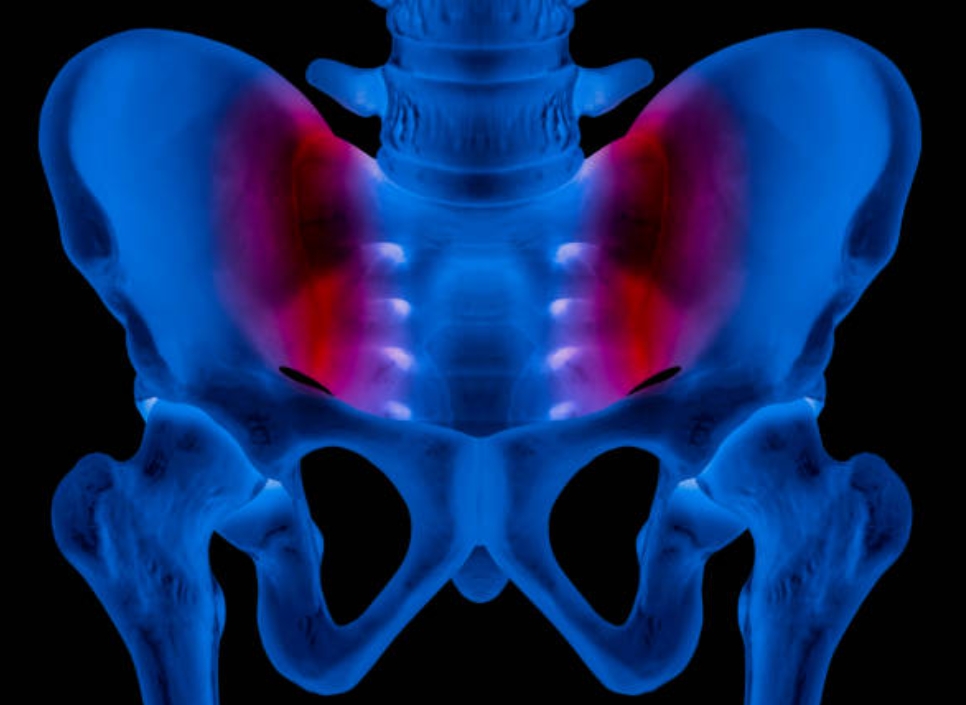
A classification method based on symptom behaviour sub-grouping improves treatment outcomes, according to recent research (Fritz and George, 2000; Long et al., 2004). The association between the sacro...
Prone Knee Bend Test 1 – Femoral Nerve, L1-4 Nerve Root Bias Purpose of Prone Knee Bend Test 1: To determine if the tension along the femoral nerve and L1-4 nerve roots contribute to the neurologic sy...