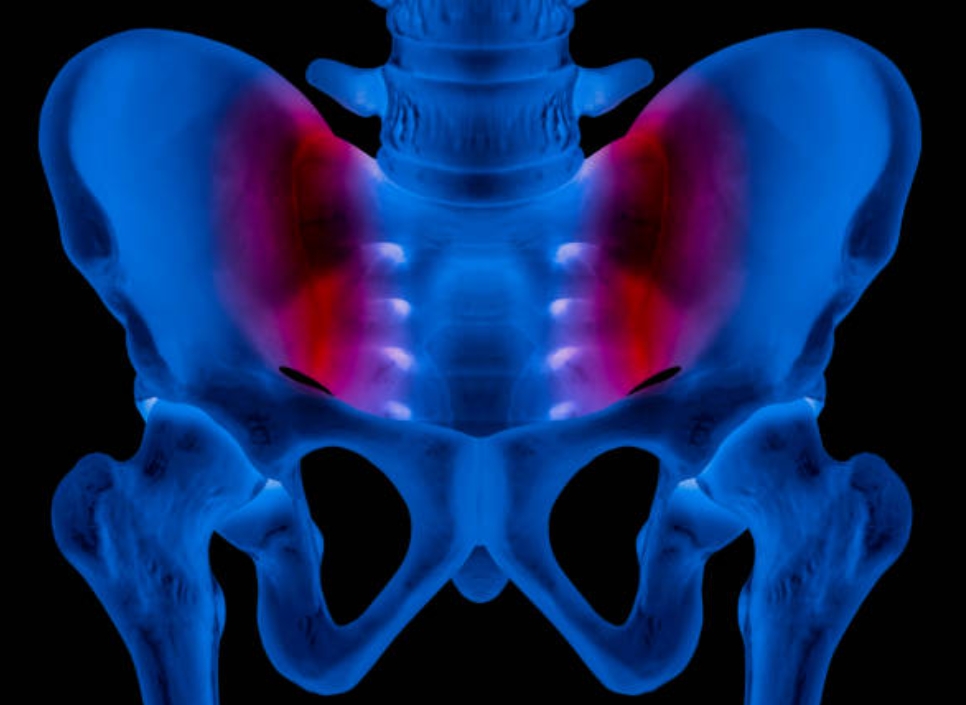
A classification method based on symptom behaviour sub-grouping improves treatment outcomes, according to recent research (Fritz and George, 2000; Long et al., 2004). The association between the sacro...
Prone Knee Bend Test 1 – Femoral Nerve, L1-4 Nerve Root Bias Purpose of Prone Knee Bend Test 1: To determine if the tension along the femoral nerve and L1-4 nerve roots contribute to the neurologic sy...
Slump (long sitting) Test 4 – Spinal Cord, Sciatic Nerve, Cervical, and Lumbar Nerve Root Bias Purpose of Slump (long sitting) Test 4: To determine if the tension along the spinal cord, sciatic nerve,...
Slump (side-lying knee bend) Test 3 – Femoral Nerve Bias Purpose of Slump (side-lying knee bend) Test 3 – Femoral Nerve Bias: To determine if the tension along the femoral nerve contributes to the ne...
Purpose of Slump Test 2 – Obturator Nerve Bias: To determine if the tension along the obturator nerve contributes to the neurologic symptoms associated with radiculopathy (1, 2). Patient position: Hig...