Respiratory illness remains a leading cause of morbidity and mortality in children with Cerebral Palsy (CP), particularly those with medical complexity. While hospital-based interventions are well-documented, the specific components of effective, safe respiratory physiotherapy delivered in the community setting have long been considered a “black box.” A recent study published in Physiotherapy (March 2026) aims to illuminate these practices, offering vital insights for clinicians managing pediatric patients outside the tertiary setting.
Defining the Scope of Community Interventions
The study analyzed the treatment arm of a 12-month feasibility randomized controlled trial, focusing on ten participants aged between 28 months and 12 years. These children were identified as being at risk of respiratory illness. Over the course of the study, 159 occasions of service (OOS) were documented, with a median of 15.5 sessions per child.
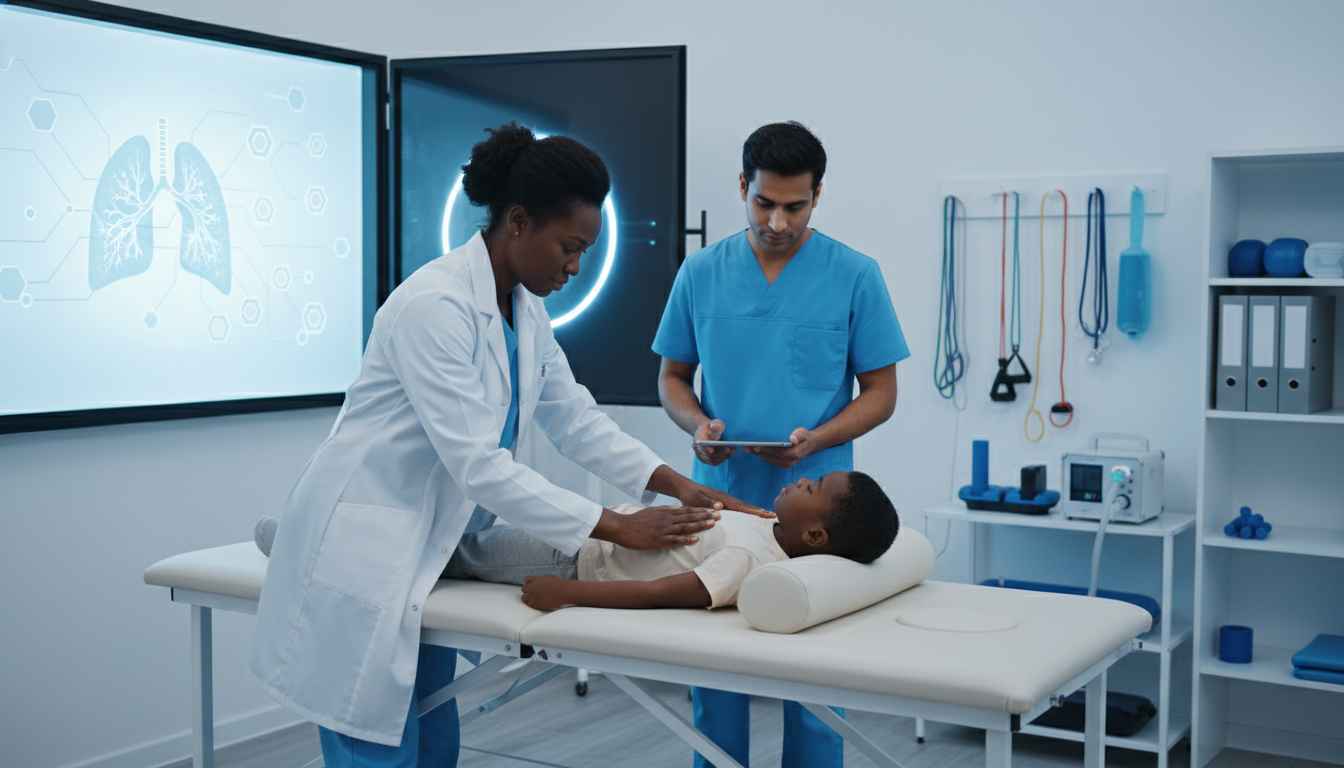
The primary objective was to categorize exactly what interventions are being utilized to maintain lung health in the home environment. The results indicated a strong preference for airway clearance techniques (ACTs) over exercise-based plans for this specific high-risk cohort. Specifically, nine children received individualized respiratory action plans. Of these, seven focused on airway clearance, while only two were exercise-based. The most frequently employed techniques included:
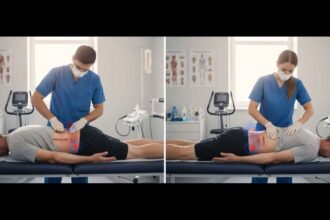
- Manual Techniques: Percussion and vibrations delivered by the therapist or trained caregivers.
- Postural Drainage and Positioning: Utilizing gravity to assist in secretion clearance.
The Integral Role of Lung Health Education
One of the most significant findings for practicing physiotherapists is the ubiquity of education. Lung health education was not a one-time event; it was delivered to participants and their families at every single visit. This highlights that successful community management of CP is not merely about hands-on treatment but about empowering caregivers to recognize symptoms and manage respiratory hygiene daily.
The study noted that all ten children experienced at least one new or worsened symptom at follow-up visits that was not present at baseline. The continuous educational loop provided by the physiotherapist allowed for real-time adjustments to care, ensuring that families could respond effectively to these fluctuating clinical presentations.
Safety Profiles and Clinical Feasibility
Safety is the primary concern when moving complex care from the hospital to the home. The authors reported that no negative events related to physiotherapy interventions occurred throughout the trial. This suggests that high-level respiratory care is feasible in the community, provided specific conditions are met.
The study concludes that these interventions are safe when delivered by skilled respiratory pediatric physiotherapists with tertiary experience. Furthermore, the use of clear, individualized action plans is non-negotiable. The research also successfully developed criteria to identify children who are unsuitable for home-based interventions, ensuring that clinicians can appropriately risk-stratify patients who require the acute resources of a hospital setting.
Implications for Practice
For orthopaedic and pediatric physiotherapists, this research validates the use of manual airway clearance and rigorous positioning protocols in the home setting for children with CP. It underscores the necessity of specialized training and the creation of robust, written action plans. By unpacking the “black box” of home care, clinicians can now advocate for and implement evidence-based respiratory strategies that improve quality of life and potentially reduce hospital admissions for this vulnerable population.
References
Caird, B., McGowan, N., Depiazzi, J., Marpole, R., & Gibson, N. (2026). Unpacking the “black box” of safe respiratory physiotherapy interventions delivered in the home for children with cerebral palsy and medical complexity. Physiotherapy.