Optimizing Interventions for Tension-Type Headache
Tension-type headache (TTH) remains one of the most prevalent neurological conditions encountered in physiotherapy practice. While manual therapy and education are staples of care, therapeutic exercise is universally recognized as a critical component of long-term management. However, the specific composition of these exercise programs has been a subject of ongoing clinical debate. Does a straightforward aerobic regimen suffice, or is a multi-modal, structured approach required to address the underlying musculoskeletal dysfunctions associated with TTH?
A recent randomized clinical trial published in the European Journal of Pain (2026) by Ataş and Mutlu provides high-quality evidence comparing these two distinct approaches. For the orthopaedic clinician, the results highlight the necessity of moving beyond generic cardiovascular recommendations toward targeted, multi-component prescriptions.
Study Methodology: Structured vs. Aerobic Protocols
The study recruited fifty-four female participants (aged 18–55) diagnosed with TTH. Participants were randomized into two groups for a 12-week intervention, attending sessions twice a week for 45 minutes. The differentiation between the groups was distinct:
- Aerobic Exercise Group (AEG): Performed exclusively aerobic exercises.
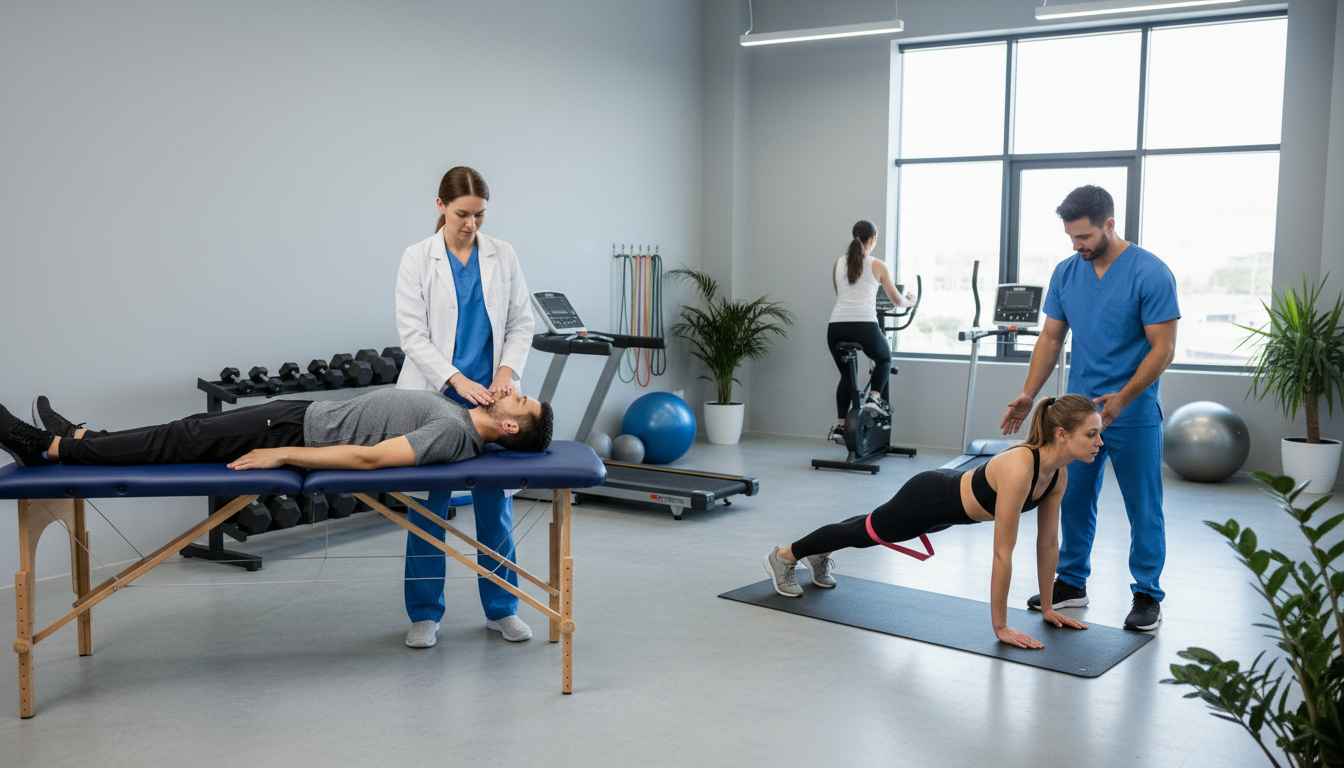
- Structured Exercise Group (SEG): Participated in a comprehensive program combining aerobic activity with strengthening and stretching exercises targeting the cervical and scapulothoracic musculature.
Outcome measures were robust, utilizing the Headache Impact Test (HIT-6) as the primary measure, alongside secondary clinical metrics including pressure pain threshold (PPT), proprioception, muscle strength, cervical posture, and psychological variables.
The Superiority of Multi-Component Loading
The results of this RCT offer nuanced insights for clinical reasoning. Both groups demonstrated statistically significant improvements in self-reported outcomes, including quality of life, pain intensity, disability, anxiety, and depression. This reinforces the systemic analgesic and anxiolytic benefits of general exercise.
However, the Structured Exercise Group demonstrated superior outcomes in specific clinical measurements that are vital for correcting physical dysfunction. The SEG showed significantly greater improvements in:
- Pressure Pain Thresholds: Indicating a more profound modulation of central and peripheral sensitization.
- Proprioception: Suggesting that the inclusion of specific loading and movement control exercises enhances sensorimotor integration in the cervical spine.
- Muscle Strength and Posture: Directly addressing the “forward head” and scapular dyskinesis often associated with chronic TTH.
Conversely, the aerobic group showed superior gains in exercise capacity, which is expected given the specificity of training, but fell short in correcting the localized biomechanical deficits.
Clinical Implications for Physiotherapists
The significance of this study lies in the definition of “efficacy.” If the goal is simply to reduce self-reported pain, aerobic exercise is a viable entry point. However, to restore physiological function—specifically improving tissue tolerance (PPT), cervical joint position sense, and postural endurance—a structured, multi-modal program is superior.
Clinicians should advocate for a 12-week duration when designing plans of care, as this timeframe was necessary to elicit the structural changes observed. The authors recommend integrating strengthening and stretching specifically into aerobic routines to maximize therapeutic value. This study supports a shift away from passive reliance on modalities and toward supervised, physiotherapist-led structured exercise programs that address the complex sensorimotor deficits inherent in tension-type headache.
References
Ataş, K., & Mutlu, E. K. (2026). The efficacy of structured exercise program versus aerobic exercise in tension-type headache: A randomised clinical trial. European Journal of Pain. https://pubmed.ncbi.nlm.nih.gov/41376179/