The Clinical Challenge of CIPN in Oncology Rehabilitation
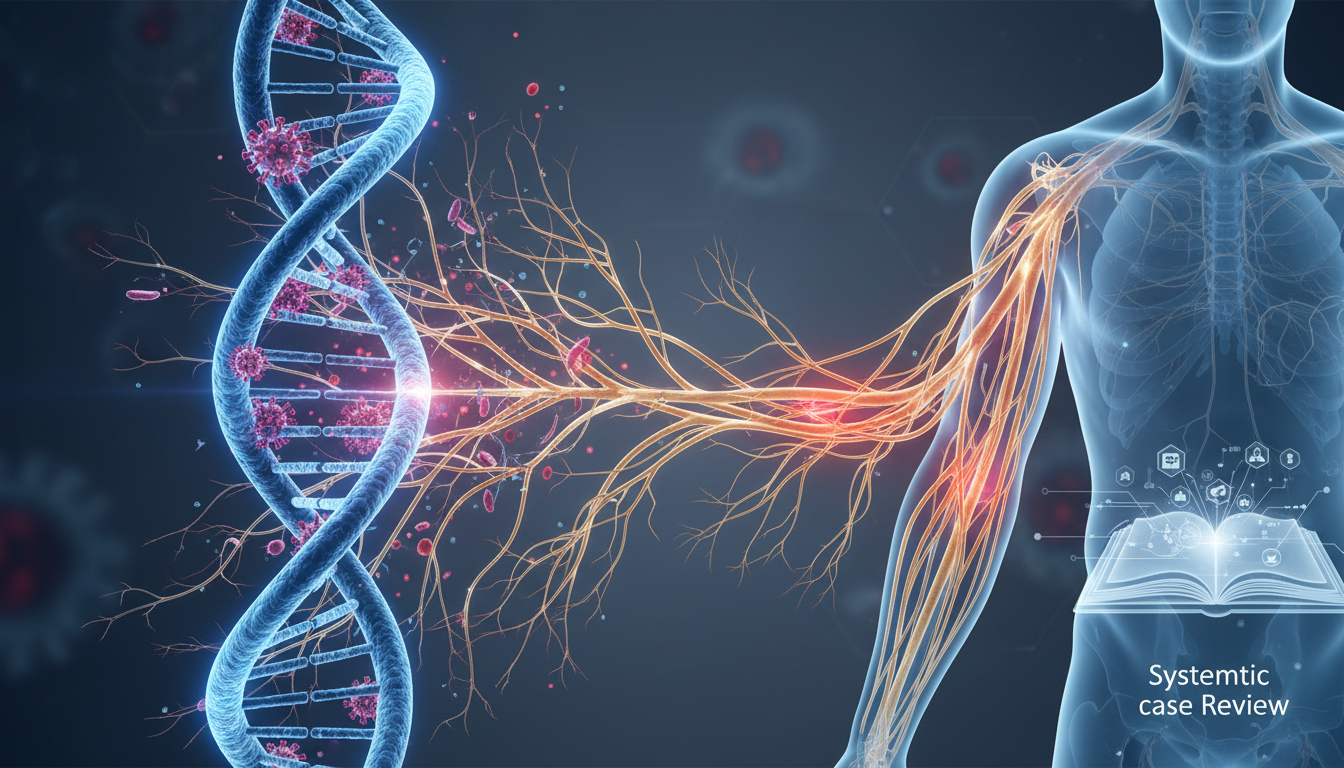
Chemotherapy-induced peripheral neuropathy (CIPN) is a highly prevalent and debilitating side effect for patients undergoing neurotoxic chemotherapy treatments, notably taxane- and platinum-based regimens. For physiotherapists and rehabilitation professionals, managing CIPN is a critical component of oncology care. Left untreated, sensory and motor nerve damage can drastically reduce patient mobility, increase the risk of falls, and severely diminish overall quality of life. A recent 2026 randomized controlled trial published in Integrative Cancer Therapies explores a proactive rehabilitation approach, investigating the efficacy of a novel intervention known as Intraneural Facilitation (INF®) compared to standard physical therapy (PT) for preventing and managing CIPN in women newly diagnosed with breast and gynecologic cancers.
Evaluating INF® and Standard Physical Therapy Modalities
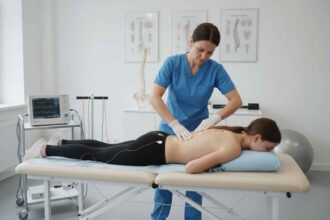
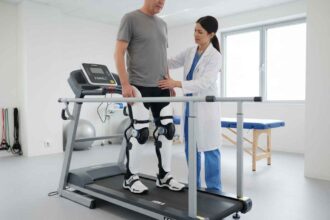
The randomized controlled trial enrolled 38 women who had no prior history of peripheral neuropathy and were initiating platinum and/or taxane-based chemotherapy regimens. Researchers randomly assigned the participants into two distinct intervention groups: one cohort received INF® therapy (n = 20) while the other received standard PT (n = 18). To ensure consistency, both interventions were administered in 45-minute clinical sessions, occurring twice weekly over a rigorous six-week period. To accurately gauge treatment efficacy and symptom progression, the clinical team utilized the Pain Quality Assessment Scale. Patient assessments were meticulously recorded at baseline, week 3, week 6, and at a 3-month post-intervention follow-up. Acceptability, patient burden, and overall satisfaction were also evaluated at the six-week mark.
Symptom Management and Clinical Outcomes
The trial yielded highly promising results for the feasibility of physical rehabilitation in acute oncology settings. Out of the 38 participants, only 32% (12 patients) experienced CIPN. More importantly, the mean pain scores for these patients remained mild (≤3), and no patients required pharmacological intervention for nerve pain until the sixth week of treatment. Furthermore, no adverse events were reported in either the INF® or standard PT arms. When analyzing specific symptomatic improvements, the INF® therapy group demonstrated statistically significant reductions in numbness following week 6. Conversely, the standard PT group exhibited broader symptom mitigation between weeks 3 and 6, showing significant improvements in numbness, tingling, cramping, surface pain, and deep pain. Both modalities successfully mitigated the severe progression typically associated with CIPN.
Implications for Oncology Physiotherapy
One of the most profound takeaways for physiotherapists is the direct impact of these physical therapies on oncological treatment adherence. Nearly 80% of patients across the study successfully completed their prescribed chemotherapy cycles with a high average relative dose intensity of 90.4%. Specifically, the INF® group achieved an impressive 87.73% dose intensity, compared to 73.44% in the PT group. Furthermore, 94% of the women reported high satisfaction with their rehabilitation care, noting that the treatments were highly acceptable and presented a low physical burden. This robust evidence strongly supports the early integration of proactive physical therapy into the oncology care continuum. By prioritizing neuromobilization, targeted exercises, and advanced techniques like INF®, physiotherapists can actively mitigate CIPN symptoms, keeping patients on their life-saving chemotherapy schedules while safeguarding their long-term functional independence.
References
Hankins, J., Bussell, M., Gharibvand, L., Jeon, W. J., Castillo, D. R., D’Errico, E., & Nagaraj, G. (2026). A Novel Approach of Intraneural Facilitation Versus Standard Physical Therapy for the Prevention of Chemotherapy-Induced Peripheral Neuropathy: A Randomized Controlled Trial. Integrative cancer therapies. https://pubmed.ncbi.nlm.nih.gov/41840756/