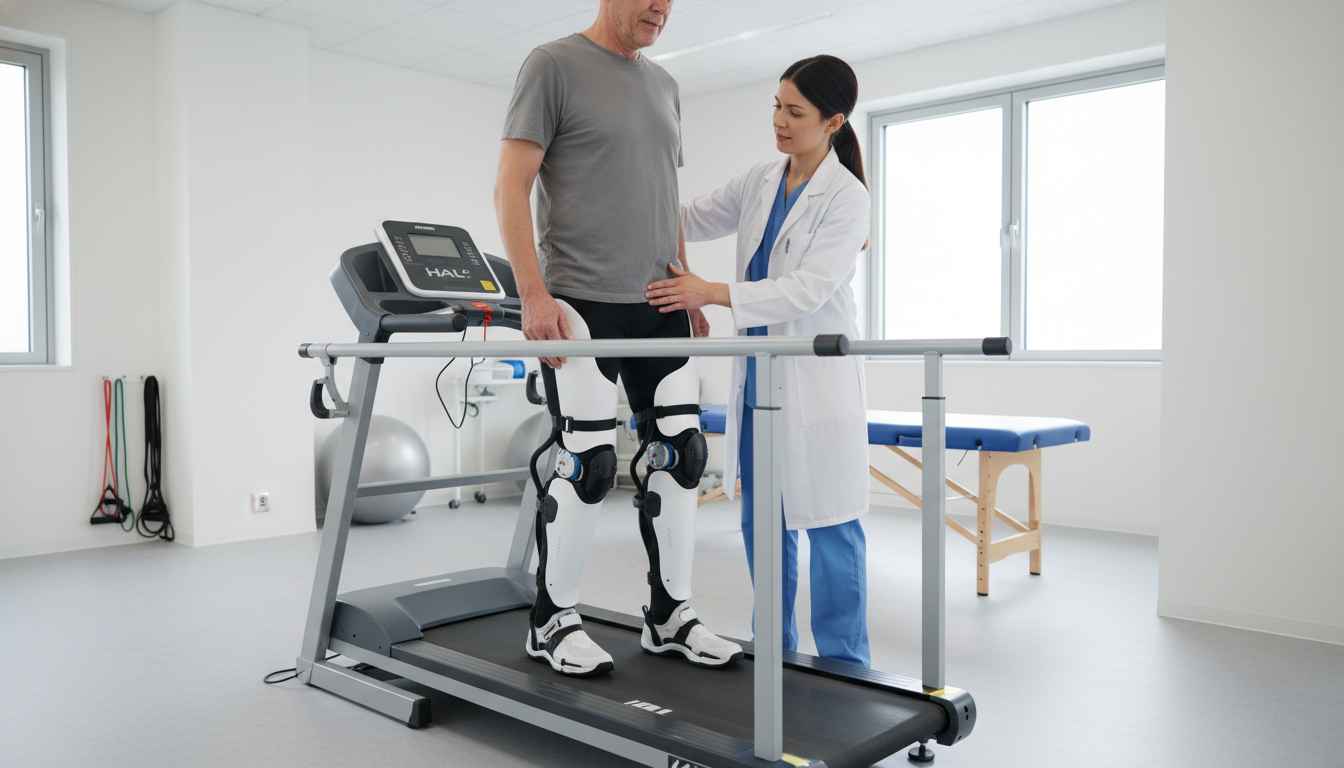
Spinal cord injury (SCI) presents a profound challenge to both patients and physiotherapists, altering thousands of lives globally each year. The resulting lower extremity impairments—such as reduced walking capacity, significant balance deficits, and profound muscle weakness—create substantial barriers to daily mobility and quality of life. Rehabilitation science has evolved dramatically, shifting focus from mere compensation to active functional restoration. Among the most promising avenues in contemporary neurorehabilitation are neuromodulation strategies, specifically functional electrical stimulation (FES) cycling and repetitive transcranial magnetic stimulation (rTMS).
The Rationale for Dual Neuromodulation
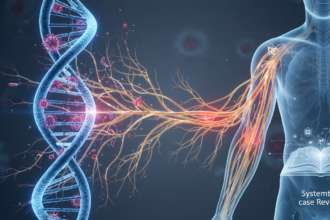
As orthopaedic and neurological physiotherapists, we frequently utilize FES cycling to engage paretic musculature peripherally, promoting local muscle activation, cardiovascular fitness, and patterned motor output. Conversely, rTMS is increasingly recognized for its ability to modulate cortical excitability, effectively priming the central nervous system for motor learning. While each modality has independently demonstrated efficacy in enhancing lower extremity function following SCI, the synergistic potential of combining these therapies remains unexplored. A new pilot randomized controlled trial aims to bridge this clinical gap, investigating whether central priming combined with peripheral activation can yield superior functional outcomes for individuals living with motor incomplete spinal cord injury (iSCI).
Trial Design and Therapeutic Methodology
This upcoming pilot trial is designed as a rigorously controlled, double-blinded study featuring both assessor and participant blinding. The primary objective is to evaluate the feasibility and safety of pairing rTMS with FES cycling. The researchers will recruit fourteen participants diagnosed with motor iSCI. These individuals will be randomized to receive either active rTMS or a sham stimulation immediately preceding an FES cycling session. The intervention protocol is intensive and structured, consisting of 12 therapy sessions distributed over a six-week period. This schedule mirrors the intensity often required to drive meaningful neuroplastic changes in an outpatient rehabilitation setting.
Evaluating Functional Lower Extremity Outcomes
Beyond determining safety and feasibility, this trial will meticulously track secondary outcomes that are highly relevant to everyday physiotherapy practice. The research team will evaluate gait parameters, overall lower limb muscle strength, and specific balance metrics. Clinical assessments are scheduled at baseline, midpoint, immediately post-intervention, and two weeks following the cessation of treatment. By capturing data across multiple critical time points, the study aims to provide valuable insights into both immediate functional gains and the retention of motor improvements within and between the active and sham groups.
Paving the Way for Future SCI Rehabilitation
While this is an initial pilot study, its implications for the physiotherapy profession are vast. The trial will establish the necessary foundational protocol and power calculations to launch a fully powered randomized controlled trial in the near future. For clinicians dedicated to advancing neurorehabilitation, these findings could eventually validate a novel, combined-modality approach that maximizes neuroplasticity. By concurrently stimulating the brain and the peripheral lower extremity muscles, we may soon unlock unprecedented levels of functional recovery for our patients living with incomplete spinal cord injuries.
References
Ghahremani, F., Schabrun, S., Peters, S., Brunton, L., & Unger, J. (2026). Combined repetitive transcranial magnetic stimulation and functional electrical stimulation cycling to improve lower extremity function following incomplete spinal cord injury: Protocol for a pilot randomized controlled trial. PLoS One.