Enhancing Outcomes in Lumbar Disk Herniation with Radiculopathy
Lumbar disk herniation with radiculopathy (LDHR) presents a multifaceted challenge in outpatient physiotherapy clinics worldwide. This highly prevalent neuromusculoskeletal condition is characterized by a complex, often debilitating interplay of localized nociceptive back pain and radiating neuropathic leg pain. While conventional manual therapy (MT) has long served as a vital cornerstone in the conservative, non-pharmacological management of LDHR, clinicians are continually seeking advanced adjunctive modalities to optimize patient recovery timelines and effectively address persistent neuropathic symptoms that resist traditional interventions. Functional Magnetic Stimulation (FMS) is a rapidly emerging, non-invasive modality that has recently garnered significant attention across orthopaedic rehabilitation circles for its potential therapeutic benefits in treating severe radicular conditions.
The Trial: Integrating Functional Magnetic Stimulation with Manual Therapy
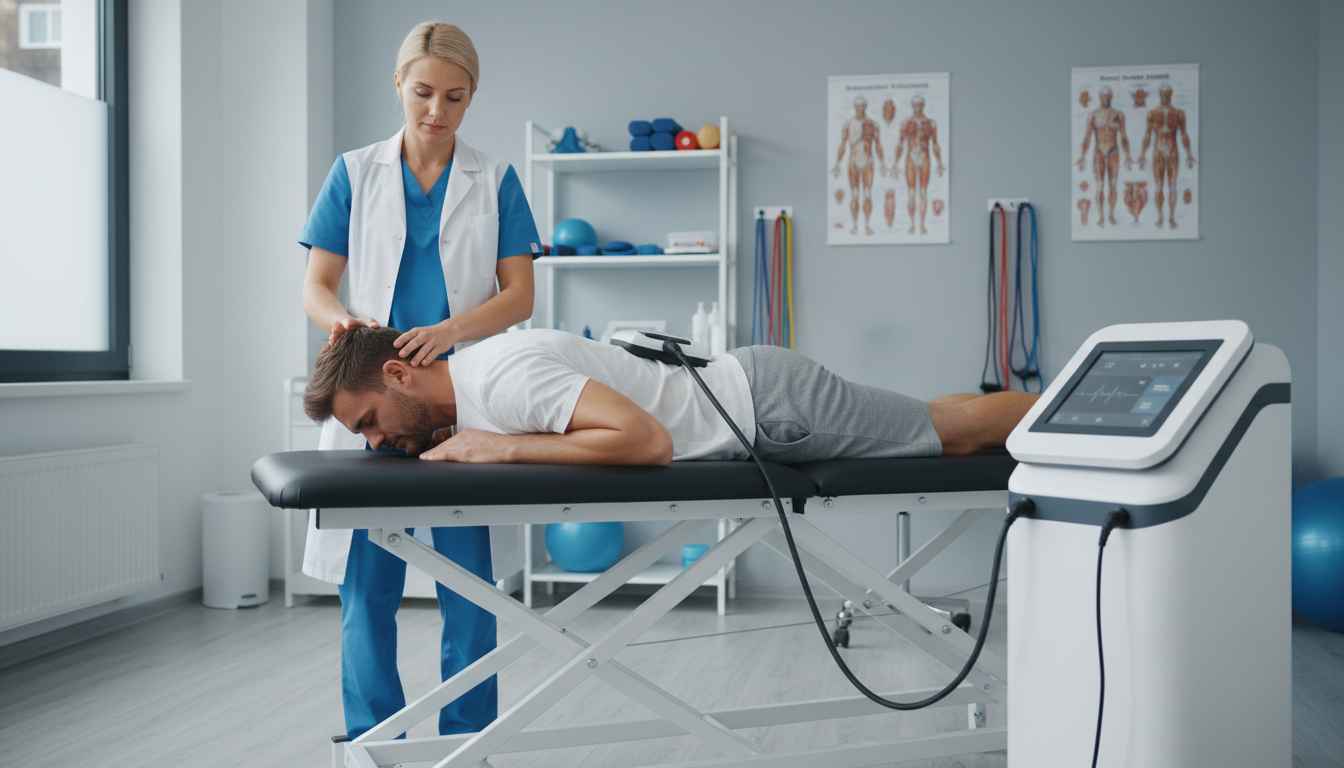
A recent rigorous randomized clinical trial published in the peer-reviewed journal Medicina (January 2026) sought to thoroughly evaluate the short-term efficacy of combining targeted MT with FMS. The study focused specifically on individuals suffering from chronic LDHR, directly comparing the integrated approach against a standard manual therapy-only protocol to determine if the modern adjunct provided superior relief.
The trial enrolled forty adult participants, all presenting with MRI-confirmed unilateral LDHR. They were randomly assigned to either an MT + FMS experimental group or an MT-only control group. Both cohorts underwent an intensive, highly structured rehabilitation program consisting of ten supervised treatment sessions spanning exactly three weeks. Researchers utilized a comprehensive suite of validated outcome measures to capture a holistic clinical picture of patient recovery. These metrics included the Numeric Pain Rating Scale (NPRS) for tracking lumbar and leg pain intensity, the Roland-Morris Disability Questionnaire (RMDQ) for assessing functional disability, the Leeds Assessment of Neuropathic Symptoms and Signs (S-LANSS) for quantifying neuropathic pain, and the straight leg raise (SLR) test for evaluating neural mechanosensitivity.
Superior Clinical Benefits of the Combined Multimodal Approach
The empirical results of this clinical trial highlight a compelling, statistically significant advantage for the multimodal treatment group. Analysis revealed robust group-by-time interactions across all measured clinical outcomes, with the MT + FMS cohort demonstrating substantially greater improvements than those receiving MT alone.
Crucially, the documented reductions in both lumbar and leg pain, alongside functional disability and neuropathic pain scores, decisively exceeded established Minimum Clinically Important Difference (MCID) thresholds. Furthermore, improvements in SLR range of motion surpassed published Minimum Detectable Change (MDC) values, reflecting both statistical and true clinical relevance. Perhaps the most striking finding of the trial was that only the participants in the combined MT + FMS group saw their neuropathic pain scores drop below the rigorous diagnostic cutoff (S-LANSS < 12), indicating a profound and measurable shift in their neuropathic symptom profile.
Clinical Implications for Modern Physiotherapy Practice
For dedicated orthopaedic and manual physiotherapists striving for clinical excellence, these findings suggest that integrating Functional Magnetic Stimulation into a standard evidence-based manual therapy regimen can yield substantial, clinically relevant short-term benefits for patients grappling with chronic LDHR. The ability of FMS to seemingly mitigate the stubborn neuropathic components of radiculopathy makes it a highly promising adjunctive tool in the modern clinic.
While these preliminary results are exceptionally encouraging for rehabilitation professionals, it is important to acknowledge the study’s parameters, including its localized sample size and short-term follow-up timeframe. Future research featuring larger participant cohorts, extended follow-up periods, and detailed mechanistic evaluations will be instrumental in cementing FMS as a definitive standard of care in orthopaedic physiotherapy. Nonetheless, for clinics currently equipped with FMS technology, this combined therapeutic approach offers a potent, evidence-backed strategy to significantly enhance patient outcomes in challenging lumbar radiculopathy cases.
References
Lytras, D., Iakovidis, P., Kasimis, K., Georgoulas, V., Algiounidis, I., Kamparoudi, G. M., Tsigaras, G., Tarfali, G., Vergidou, G., Sidiropoulos, N., Zerva, E., & Kallistratos, I. (2026). Short-Term Effects of Manual Therapy Combined with Functional Magnetic Stimulation in Individuals with Lumbar Disk Herniation with Radiculopathy: A Randomized Clinical Trial. Medicina (Kaunas, Lithuania).