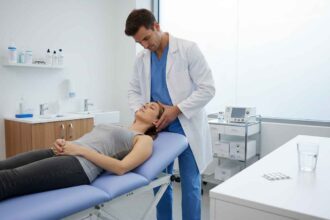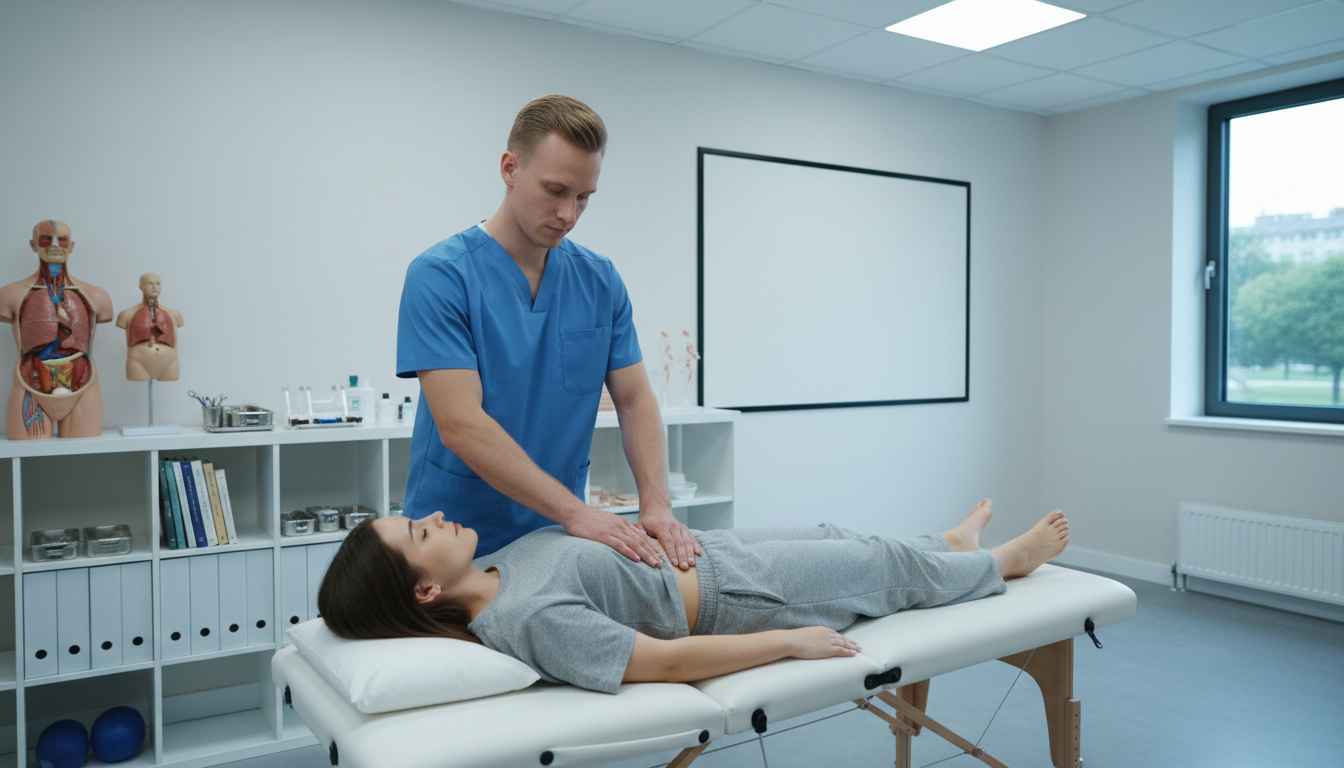
For physiotherapists working with patients exposed to occupational respiratory hazards, the management of pulmonary function often relies heavily on respiratory training exercises. However, recent research published in Physiotherapy Research International (October 2024) suggests that integrating manual therapy—specifically Manual Diaphragmatic Release (MDR)—can significantly amplify clinical outcomes. This study provides compelling evidence for the systemic and functional benefits of manual intervention in cleaning laborers, a demographic frequently plagued by chemical and particulate-induced respiratory distress.
Occupational Hazards and the Role of Manual Therapy
Cleaning laborers are chronically exposed to volatile organic compounds and particulate matter, leading to occupational asthma, inflammation, and restricted chest wall mechanics. While standard care often involves aerobic and respiratory exercises, these interventions do not always address the mechanical restriction of the diaphragm caused by chronic hyperinflation or soft tissue rigidity. The randomized controlled trial by Azab et al. sought to bridge this gap by evaluating whether adding MDR to standard respiratory training could offer superior benefits compared to exercise alone.
Study Design and Intervention
The study involved 36 participants aged 35–45, all of whom were cleaning laborers. They were randomly allocated into two groups for a 12-week intervention period (three sessions per week):
- Control Group: Received respiratory training exercises only.
- Experimental Group: Received the same respiratory training exercises plus manual diaphragm release techniques.
Outcomes measured included pulmonary function tests (FEV1, FVC, FEV1/FVC, PEF), chest wall mobility, functional capacity (6-Minute Walk Test), and serum immunoglobulin E (IgE) levels—a key marker for allergic immune response.
Significant Improvements in Pulmonary Mechanics and Immunity
The results highlighted a clear advantage for the multimodal approach. The group receiving manual diaphragmatic release demonstrated significantly greater improvements across nearly all pulmonary function metrics compared to the control group. Specifically, FEV1, FVC, and Peak Expiratory Flow (PEF) rates showed statistically significant enhancement with moderate effect sizes.
Perhaps the most intriguing finding for manual therapists is the physiological impact on immunity. The experimental group showed a greater decline in serum IgE levels (p = 0.003). This suggests that releasing diaphragmatic tension may influence autonomic regulation and systemic inflammatory responses, offering benefits that extend beyond simple mechanics.
regarding chest wall mobility, the study noted a site-specific improvement. Mobility increased significantly at the xiphoid level (the anatomical zone of the diaphragm) in the MDR group (p = 0.002), whereas no significant difference was observed at the axillary level between groups. This confirms the specificity of the manual technique in mobilizing the lower rib cage and diaphragm.
Functional Capacity Outcomes
Clinical improvements must translate to functional gains to be meaningful. The study reported that the 6-Minute Walk Test performance improved significantly more in the experimental group (p = 0.002). This indicates that the improved lung mechanics and reduced inflammatory markers translated directly into better endurance and functional capacity for the workers.
Clinical Implications for Physiotherapists
For clinicians, this RCT reinforces the value of hands-on treatment in respiratory care. While exercises remain fundamental, the addition of manual diaphragmatic release appears to unlock further potential in patients with restrictive or obstructive occupational conditions. By addressing the mechanical interface of respiration, therapists can help mitigate distressing symptoms, enhance chest wall compliance, and potentially modulate immune responses.
References
Azab, A. R., Elnaggar, R. K., Hamouda, D. G., Aloraini, G. S., Alhegaili, A. S., Ahmed, A. S., Basha, M. A., Alsharidah, A. S., Kamel, F. H., & Elshehawy, A. A. (2024). Respiratory and functional benefits of manual diaphragmatic release for cleaning-laborers exposed to occupational hazards. Physiotherapy Research International. Advance online publication.