The Challenge of Post-Operative Stiffness in Arthroplasty
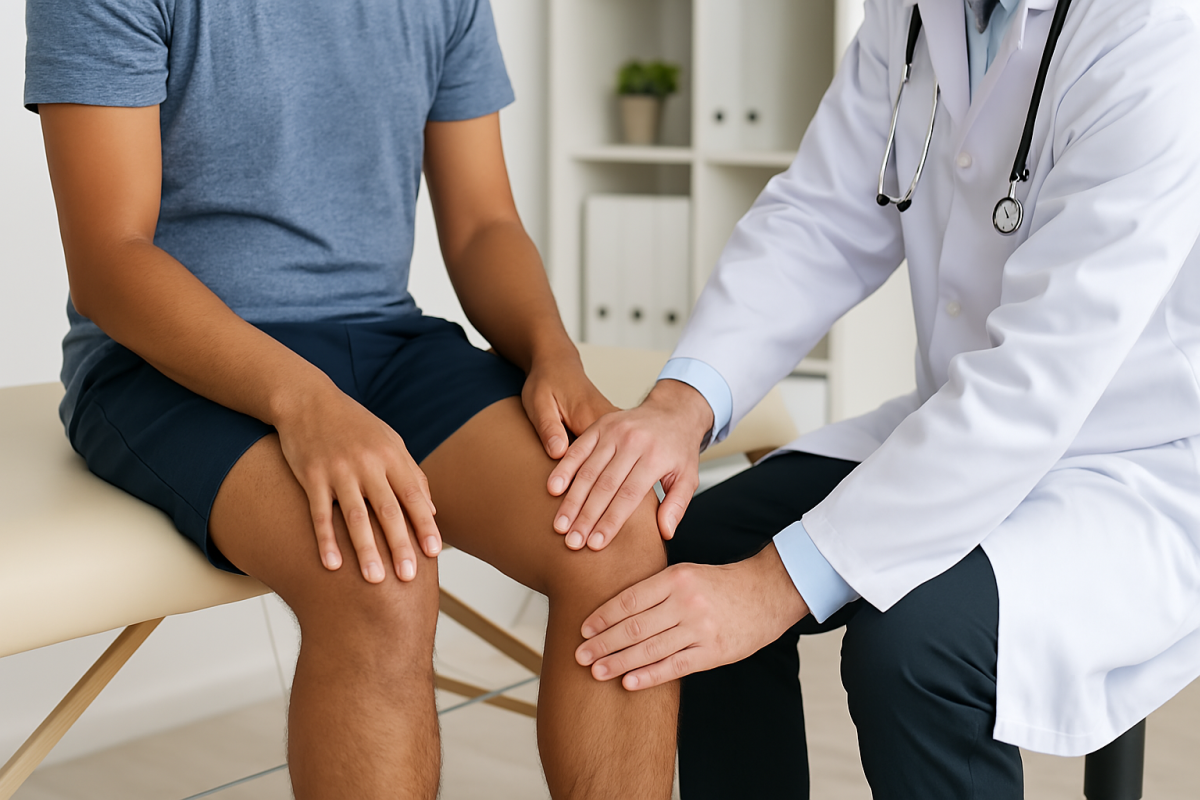
For physiotherapists managing patients after primary Total Knee Arthroplasty (TKA), restoring range of motion (ROM) is often the most critical and challenging aspect of early recovery. While TKA is a highly successful procedure for alleviating osteoarthritis pain, arthrofibrosis and stiffness remain significant complications that can impede functional independence. Standard Physical Therapy (SPT) protocols rely heavily on manual mobilization and home exercise programs, but recent research suggests that integrating patient-controlled mechanical aids may offer superior outcomes.
A recent Level 1 prospective randomized clinical trial, published in The Journal of Knee Surgery (March 2023), investigated the efficacy of a novel motion-assistive device—the Mizzou BioJoint Flex (MBF)—compared to standard care. The findings offer compelling evidence for orthopedic rehabilitation specialists looking to optimize post-operative trajectories.
Study Methodology: MBF Device vs. Standard Care
The study, led by Cook et al., randomized patients undergoing primary TKA into two cohorts. Both groups had similar preoperative demographics, pain scores, and functional levels (KOOSjr). The inclusion criteria required a preoperative ROM of at least 5° to 115°, ensuring a baseline suitable for comparison.
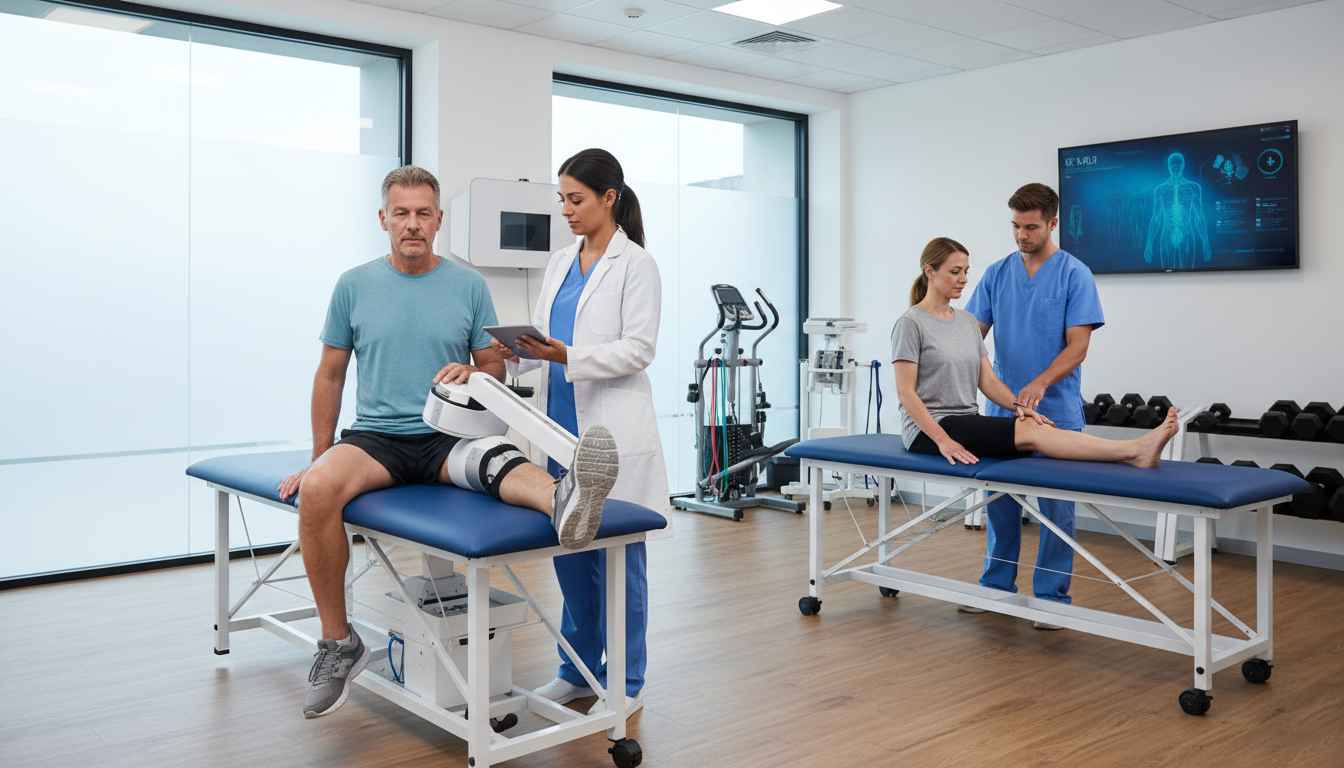
- The Intervention Group (n=19): Utilized the Mizzou BioJoint Flex, a novel patient-controlled device designed to assist with knee flexion and extension, alongside prescribed physical therapy.
- The Control Group (n=19): Received Standard Physical Therapy (SPT) protocols alone.
Outcomes were measured at 2 weeks, 6 weeks, and 3 months postoperatively, focusing on ROM, pain scores, functional scores, and patient satisfaction.
Superior Range of Motion Outcomes
The results at the 3-month mark revealed statistically significant differences favoring the motion-assistive device. Perhaps the most clinically relevant finding regarding the prevention of stiffness was the failure rate to regain preoperative ROM. In the Standard PT group, 31.6% of patients failed to regain their preoperative motion, compared to only 15.8% in the MBF group (p = 0.044).
Furthermore, the device facilitated superior flexion gains. When looking at high-flexion milestones, significantly more patients in the MBF group exceeded 125° of flexion (42%) compared to the SPT group (5.3%) by the 3-month follow-up (p = 0.019). For clinicians, this difference distinguishes a functional knee from a high-performance knee capable of deeper flexion activities.
Pain, Function, and Patient Satisfaction
Beyond kinematics, the subjective patient experience was notably improved with the assistive device. Total ROM (p = 0.039), pain reduction (p = 0.0068), and functional scores (p = 0.0027) were all significantly better for the MBF cohort at 3 months.
Patient satisfaction scores also reflected these functional gains. The MBF group reported a mean satisfaction score of 9.4 ± 1.1, compared to 8.0 ± 1.8 in the control group (p = 0.0084). The study authors suggest that the patient-controlled nature of the device likely contributed to this satisfaction, giving patients agency over their rehabilitation intensity without compromising safety. Importantly, safety profiles were identical; only one patient in each group required Manipulation Under Anesthesia (MUA), and no other complications were reported.
Clinical Implications for Physiotherapists
This study suggests that while standard physical therapy remains the cornerstone of TKA rehabilitation, the addition of durable medical equipment like the Mizzou BioJoint Flex can serve as a powerful adjunct. By allowing patients to safely self-manage flexion stretches, clinicians may see higher proportions of patients regaining minimum (115°) and desired (125°) levels of knee ROM.
References
Cook, J. L., Rucinski, K., Crecelius, C. R., Cunningham, S., & Guess, T. M. (2023). Prospective, Randomized Clinical Trial Comparing a Novel Motion-Assistive Device to Standard Physical Therapy for Initial Management of Knee Range of Motion after Primary Total Knee Arthroplasty. The Journal of Knee Surgery.
https://pubmed.ncbi.nlm.nih.gov/34530475/