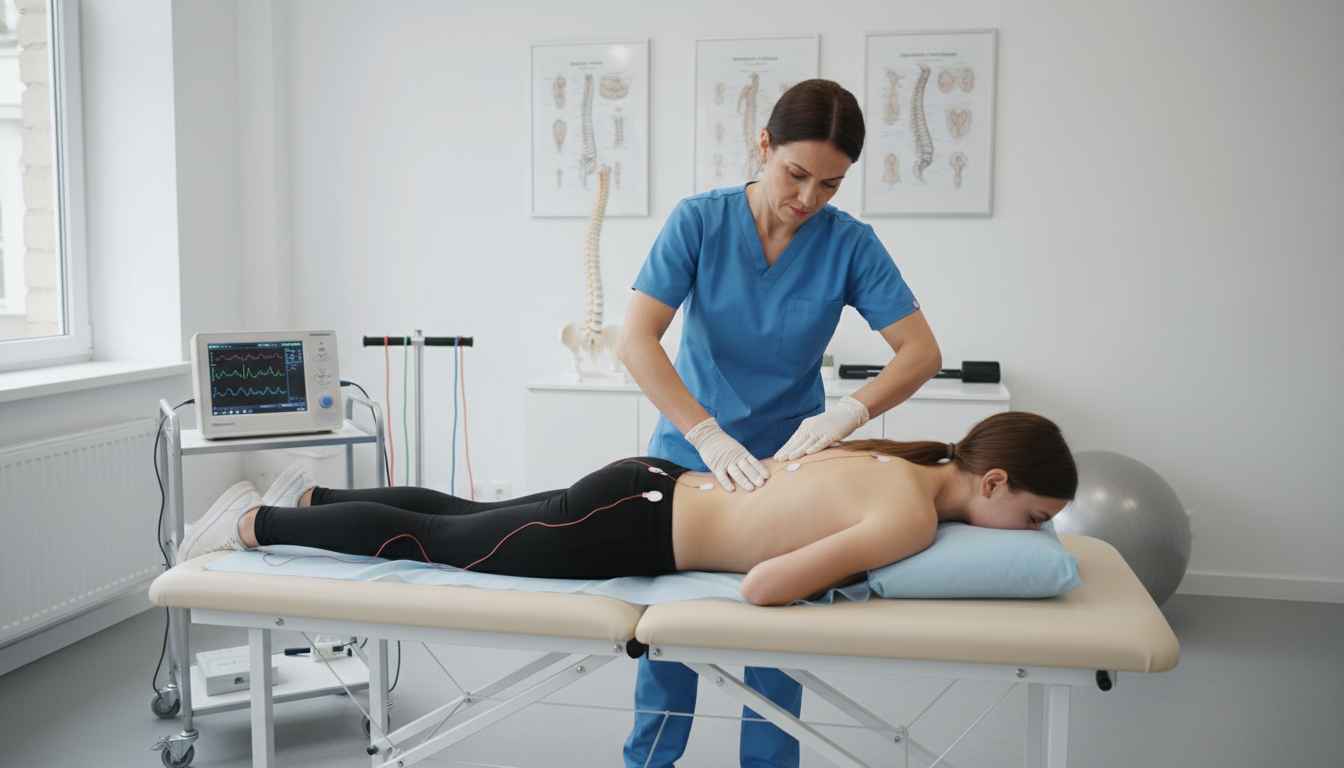
Polycystic ovary syndrome (PCOS) is a complex endocrine disorder often complicated by obesity, insulin resistance, and systemic inflammation. For physiotherapists and allied health professionals incorporating holistic or modality-based treatments into their practice, finding effective adjunct therapies is crucial. A recent randomized controlled trial highlights the profound impact of electroacupuncture on managing the multifaceted symptoms of PCOS, offering a compelling evidence-based approach to patient care.
Evaluating the Efficacy of Electroacupuncture
In a rigorous randomized controlled trial, researchers investigated the effects of electroacupuncture on 120 women diagnosed with obesity-related PCOS. The participants were equally divided into an electroacupuncture group and a sham acupuncture control group. Treatment was administered three times weekly over a 16-week period. The study’s comprehensive approach measured hormonal profiles, metabolic parameters, inflammatory markers, ovarian morphology, and overall clinical outcomes both before and after the intervention phase.
Significant Hormonal and Metabolic Shifts
The clinical outcomes strongly favored the electroacupuncture intervention. Participants in the treatment group demonstrated a significant reduction in luteinizing hormone (LH), the LH/FSH ratio, testosterone, and anti-Müllerian hormone (AMH) levels. Conversely, beneficial hormones such as sex hormone-binding globulin (SHBG) and progesterone saw a marked increase following the electroacupuncture protocol.
Metabolically, the electroacupuncture group experienced profound improvements. There were notable reductions in triglycerides, LDL cholesterol, uric acid, total cholesterol, and fasting plasma glucose. Additionally, markers for insulin resistance—specifically fasting insulin and HOMA-IR—were significantly decreased. These metabolic gains were complemented by an increase in HDL cholesterol and vitamin D levels, highlighting a systemic optimization of the patients’ metabolic health that is highly relevant for physical rehabilitation and weight management.
Reductions in Systemic Inflammation and Ovarian Pathology
Beyond endocrine and metabolic improvements, the intervention had a striking effect on systemic inflammation. Inflammatory markers including CRP, IL-6, TNF-alpha, white blood cell count (WBC), C3, and C4 were significantly diminished. Clinically, this translated to a higher ovulation rate, a notable reduction in hirsutism, decreased ovarian volume, and a lower antral follicle count. Ultimately, these physiological changes culminated in a significantly improved quality of life for the patients.
Integrating Findings into Physiotherapy Practice
For practitioners on Orthopaedic Manipulation utilizing acupuncture and dry needling modalities, this study provides robust support for electroacupuncture as an adjunct therapy. The modulation of the sympathetic nervous system and the localized increase in blood flow stimulated by electrical impulses likely contribute to the restoration of ovarian function and the enhancement of insulin sensitivity. Addressing the neuroendocrine pathways and systemic inflammation associated with PCOS can drastically improve metabolic outcomes. Improved metabolic parameters can reduce systemic joint pain and enhance tolerance to exercise therapy, making electroacupuncture a valuable tool in a multidisciplinary approach. By integrating electroacupuncture into comprehensive rehabilitation and wellness programs, therapists can offer a highly effective, conservative treatment option that tackles both the physiological and symptomatic burdens of PCOS.
References
Shao, C., Li, W., & Liang, J. (2026). Effects of acupuncture on improving hormonal and metabolic biochemical characteristics in polycystic ovary syndrome. African Journal of Reproductive Health.