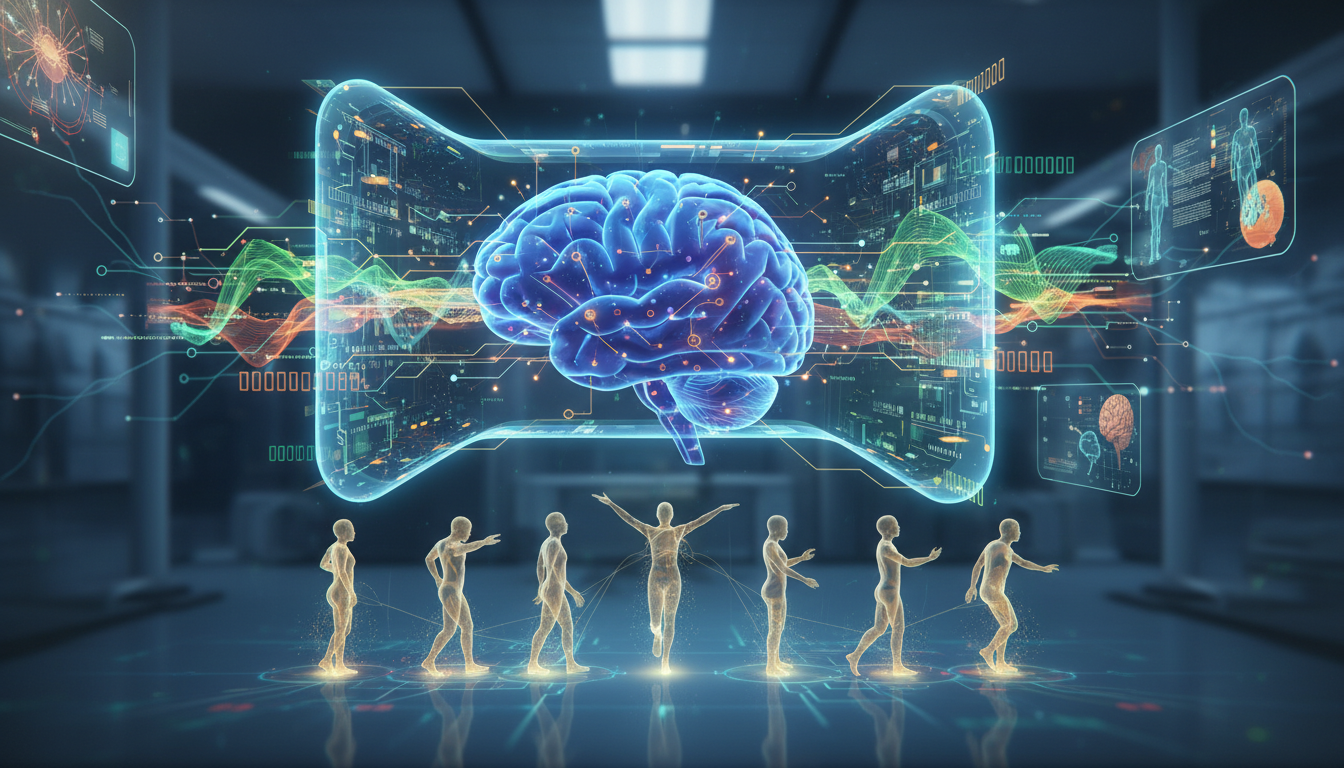
The Evolution of Deep Brain Stimulation
Deep Brain Stimulation (DBS) has long been established as a cornerstone in the treatment of movement disorders such as Parkinson’s disease, essential tremor, and dystonia. Traditionally, the medical community viewed DBS as a focal intervention—a way to silence specific overactive brain regions. However, a landmark review recently published in the Journal of Clinical Medicine by Mateo-Sierra et al. (2026) suggests a revolutionary shift in this perspective. The authors frame DBS not merely as a tool for symptom suppression, but as a rehabilitation amplifier that leverages precision-oriented, network-guided frameworks to foster long-term functional restoration.
A Network-Centric Framework
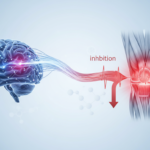
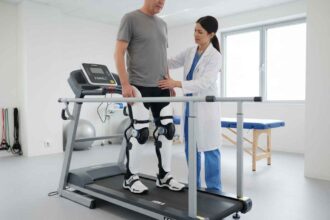
At the heart of this discussion is the transition from seeing DBS as a localized lesion-like therapy to understanding it as a multiscale modulator of circuit dynamics. Modern electrophysiological and imaging evidence indicates that DBS influences distributed basal ganglia-thalamo-cortical and cerebellothalamic networks. By stabilizing pathological oscillations—such as the disruptive beta rhythms often found in Parkinson’s disease—DBS reduces the moment-to-moment variability in motor performance. This stabilization is crucial because it provides a reliable physiological baseline, allowing patients to engage more effectively in physical, occupational, and speech-language therapies.
Key Clinical Insights and Mechanisms
The review identifies several ways in which DBS serves as a catalyst for neuroplasticity and motor learning:
- Pathological Oscillation Stabilization: By smoothing out erratic neural signaling, DBS allows for more consistent task execution.
- Enhanced Adaptive Plasticity: The therapy may open a window for the brain to reorganize and form new, more efficient motor pathways.
- Support for Motor Learning: With reduced motor fluctuations, patients can perform the repetitive tasks required for successful rehabilitation with greater precision.
Technological Advancements in Precision Medicine
The amplifier effect is further enhanced by recent technological breakthroughs. The integration of tractography-guided targeting allows neurosurgeons to precisely align electrode placement with an individual’s unique white matter architecture. Furthermore, the advent of sensing-enabled devices and adaptive stimulation (aDBS) enables real-time adjustments to the electrical delivery based on the patient’s immediate neural activity. This individualized approach ensures that the neuromodulation remains optimized for the patient’s specific circuit dysfunction, maximizing the potential for functional gains during rehabilitation.
Identifying the Research Gap
Despite the theoretical and technological promise, the authors note a significant gap in clinical practice. There is currently a lack of robust, controlled studies that directly compare functional outcomes of DBS combined with structured rehabilitation versus DBS alone. This heterogeneity in therapeutic response and limited access to specialized rehabilitation services remains a challenge. To fully realize the potential of DBS as a rehabilitation amplifier, future research must validate connectomic and physiological biomarkers that can accurately predict which patients will derive the most benefit from integrated protocols.
Conclusion
The framework proposed by Mateo-Sierra and colleagues marks a pivotal moment in neuromodulation. By viewing DBS as a facilitator of rehabilitation-driven improvement, clinicians can move beyond simple tremor control toward durable functional restoration. As we refine our understanding of brain networks and improve our technological tools, the integration of DBS with intensive rehabilitative strategies will likely become the standard of care for optimizing the lives of those with movement disorders.
APA Citation:
Mateo-Sierra, O., De la Casa-Fages, B., Martín-Ramírez, E., Barreiro-Gómez, M., & Grandas, F. (2026). Deep Brain Stimulation as a Rehabilitation Amplifier: A Precision-Oriented, Network-Guided Framework for Functional Restoration in Movement Disorders. Journal of Clinical Medicine, 15(2), 492. https://doi.org/10.3390/jcm15020492
Source: PubMed Original Article