
In 2017, Jagdhari, et. al., conducted a groundbreaking prospective study which has shed light on the therapeutic correlation between cervical dysfunction and myofascial pain dysfunction syndrome (MPDS...

In 2017, Uebelacker, et. al., controlled trial investigating the efficacy of yoga for depression, researchers sought to gain a comprehensive understanding of the experiences of depressed individuals p...

In 2017, Jia, et. al., aimed to assess the impact of joint mobilization on postoperative wrist joint function, pain, and grip strength in elderly patients recovering from distal radius fractures. The ...
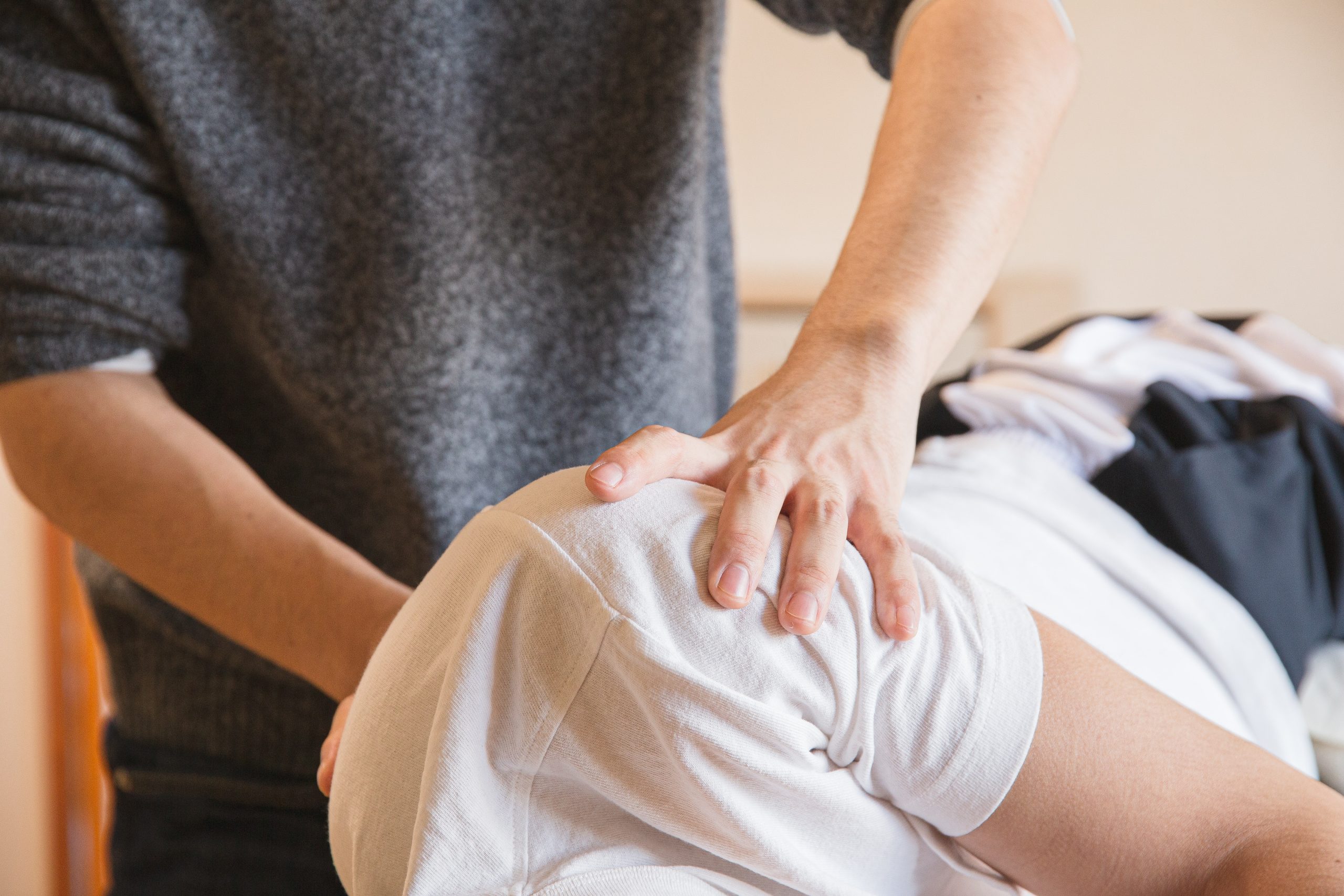
Subacromial pain syndrome (SAPS) is a common shoulder condition that affects individuals of all ages. It is characterized by pain and weakness in the shoulder, limiting the range of motion and causing...
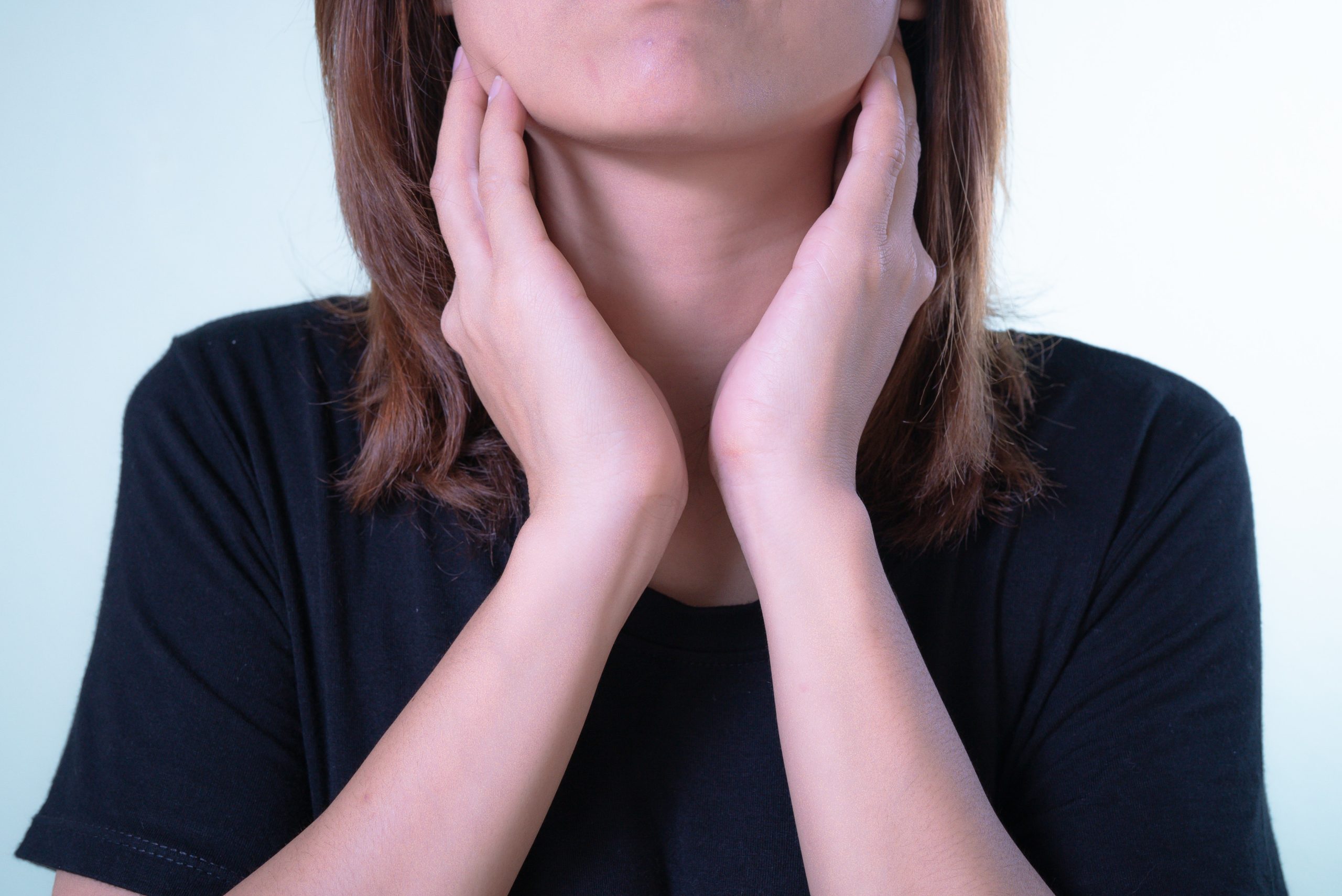
In 2017, Groeneweg, et. al., conducted a study about psychosocial variables that play a crucial role in influencing treatment outcomes for patients with neck pain. This study aimed to investigate whet...