

Adductor tendinopathy is a disorder of the tendons of the adductor muscle group of the inner thigh. The adductor muscles are responsible for bringing the legs toward the midline and stabilising the pe...
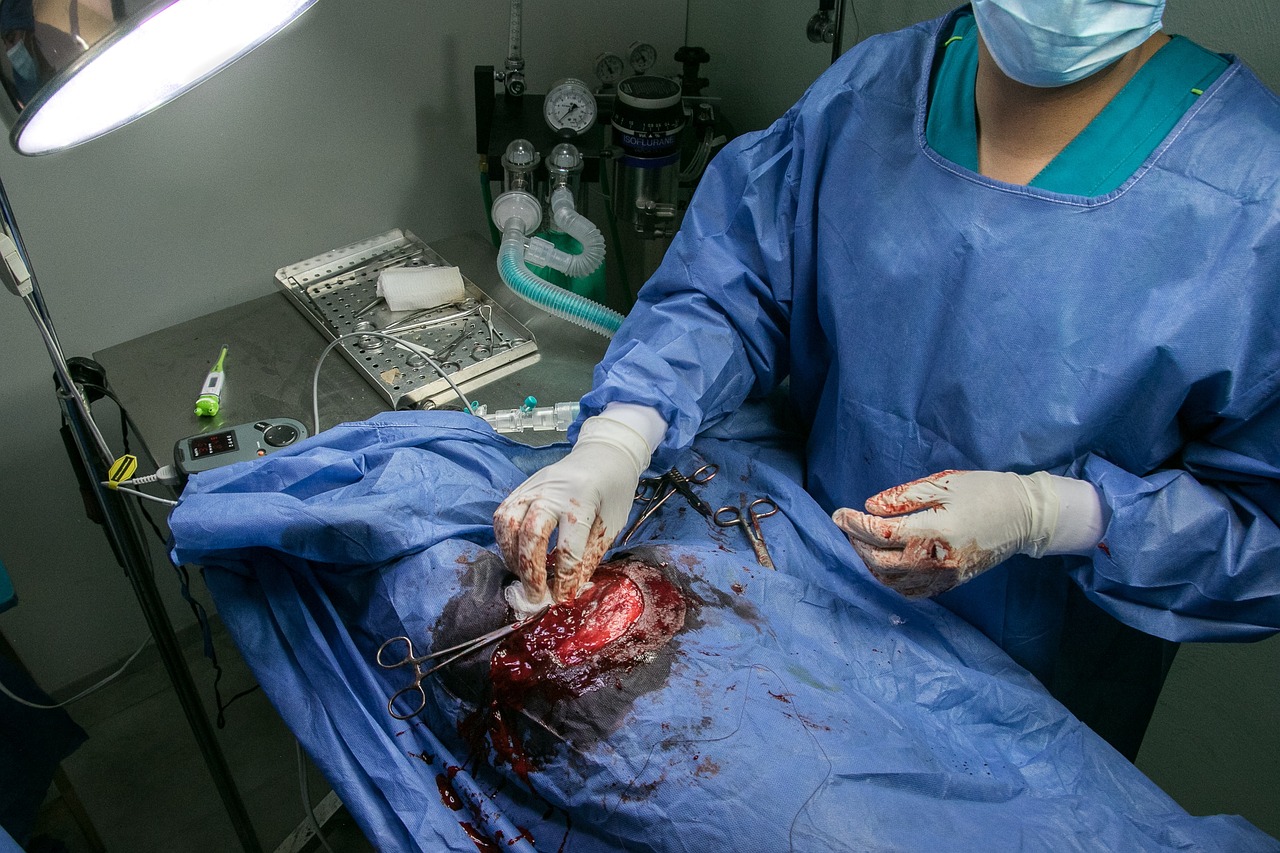
Adamantinoma is a rare bone tumor that arises most often in the lower limbs, especially the tibia. It is generally slow growing and of low malignant potential, but it can be locally aggressive and has...
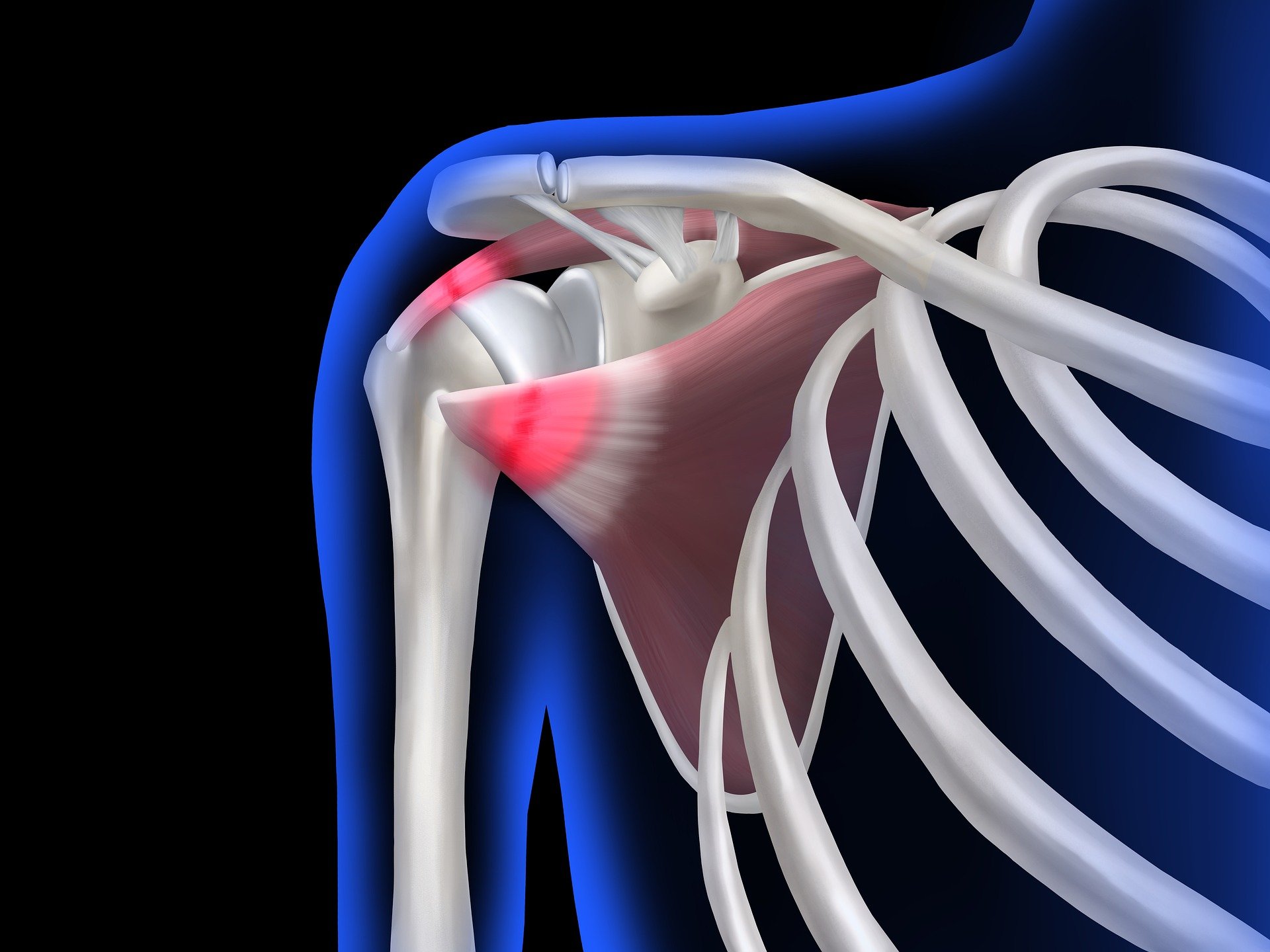
An acromioclavicular (AC) joint sprain is an injury to the ligaments stabilizing the joint between the acromion of the scapula and the lateral end of the clavicle. It often presents as pain over the t...

Achondroplasia is a genetic condition affecting bone growth, leading to short stature and characteristic changes in limb, skull, and spine development. It is the most common form of disproportionate d...
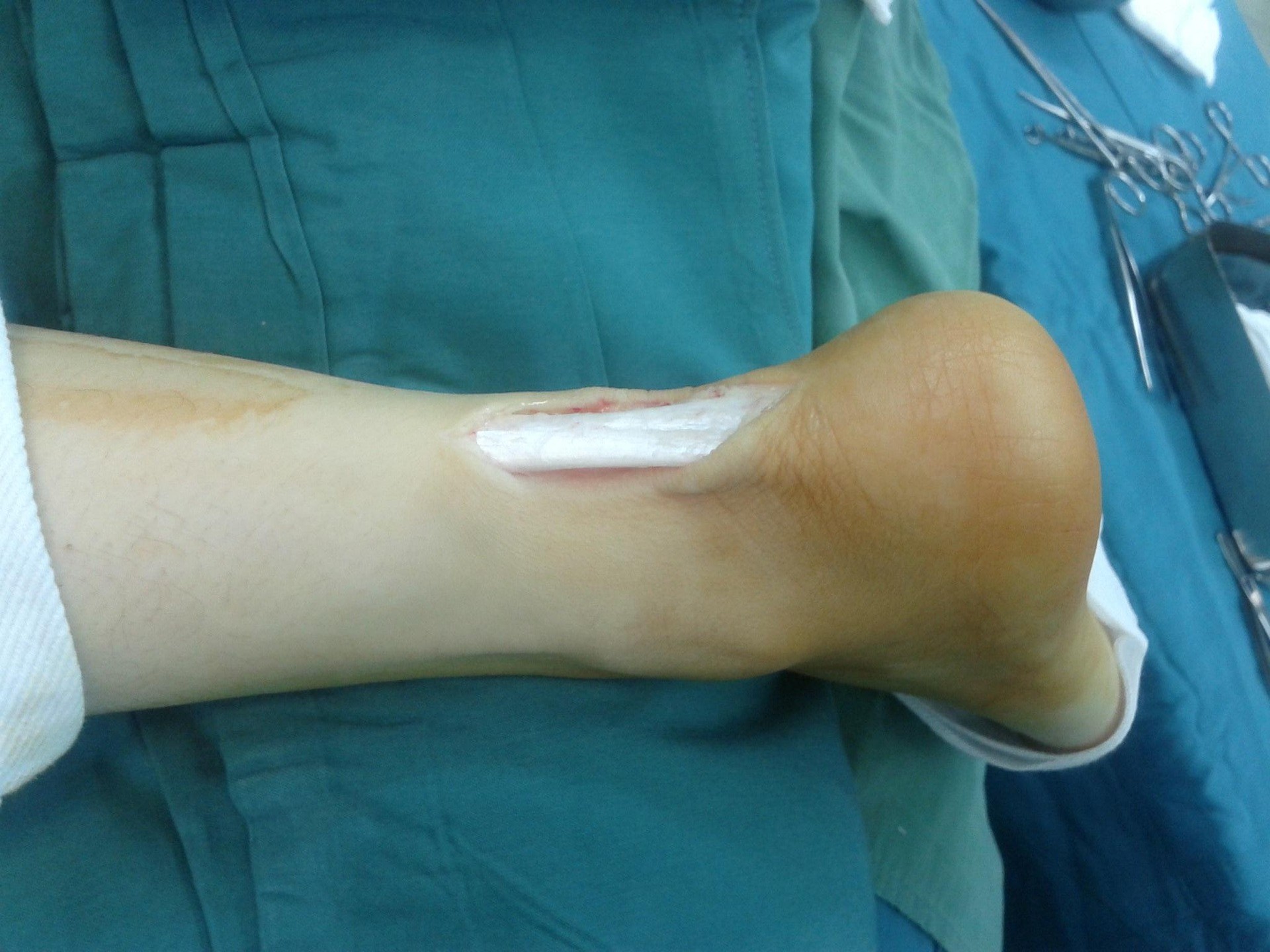
An Achilles tendon rupture is a complete or partial tear of the Achilles tendon, which connects the calf muscles (gastrocnemius and soleus) to the heel bone (calcaneus). It is one of the most common t...