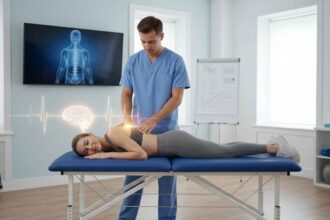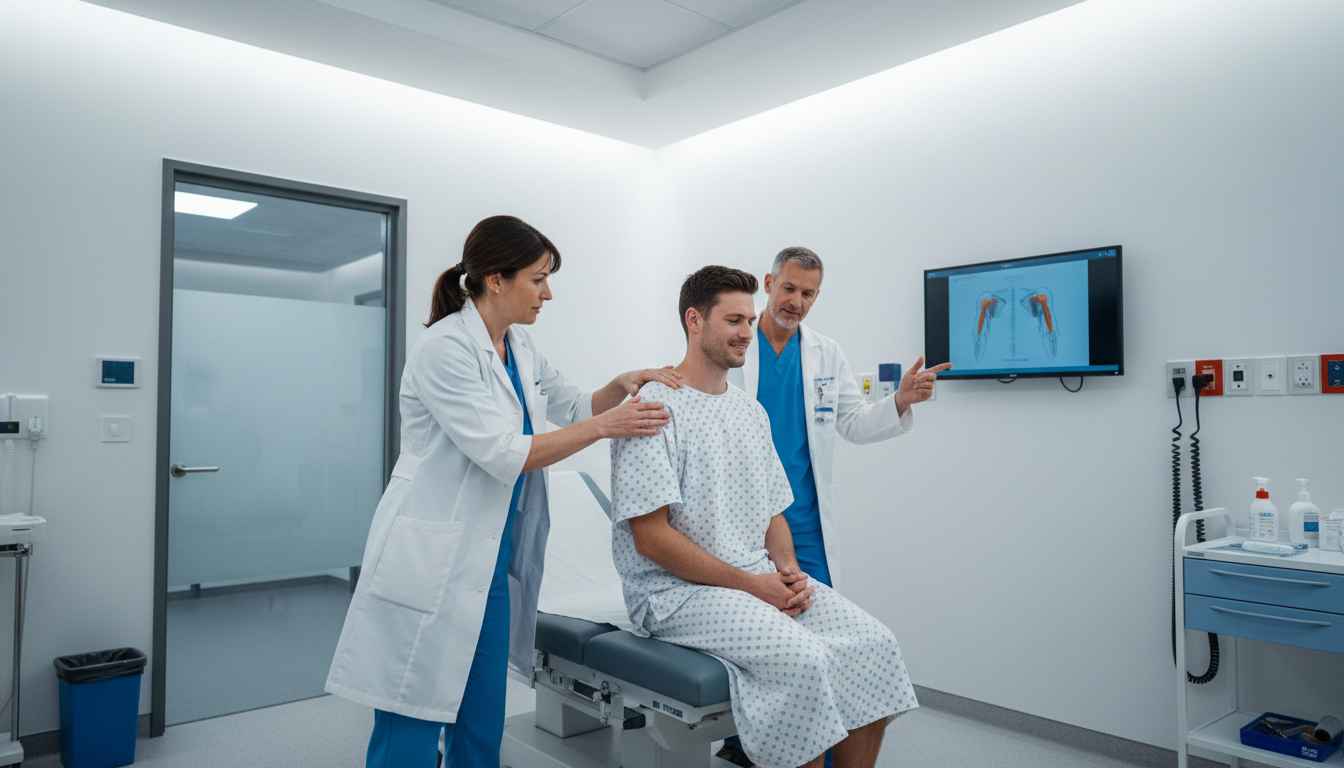
Emergency departments (EDs) across the globe are facing unprecedented challenges with overcrowding and extended wait times. A significant portion of these visits involves patients presenting with minor musculoskeletal disorders (MSKDs). Traditionally managed by ED physicians, these cases often contribute to the growing strain on healthcare systems. However, a promising shift is on the horizon. Advanced practice physiotherapy (APP) models, where physiotherapists serve as primary contact providers, are emerging as a viable solution to optimize patient care and alleviate physician burden.
The Growing Need for Innovative MSK Care Pathways
As the volume of non-life-threatening musculoskeletal complaints rises in emergency settings, healthcare administrators and clinical leaders are actively seeking alternative triage and treatment models. Physiotherapists, with their specialized diagnostic and conservative management skills, are perfectly positioned to step into this gap. By assessing and managing minor MSKDs at the front lines, advanced practice physiotherapists (APPTs) can expedite care, provide immediate education, and reduce unnecessary diagnostic imaging or pharmacological interventions.
A Groundbreaking Stepped-Wedge Cluster RCT
To rigorously evaluate this model, a recent study by Matifat and colleagues (2023) outlines a multicenter stepped-wedge cluster randomized controlled trial (RCT) accompanied by a comprehensive cost analysis. Set across six Canadian EDs, this pragmatic trial recruits 744 adult patients presenting with minor MSKDs. The study design randomizes these clinical clusters to a treatment sequence comparing an APPT-led model of care directly against the usual ED physician-led care.
This robust methodology is critical for the physiotherapy profession, as it moves beyond observational data to high-quality, randomized evidence within real-world, high-stakes clinical environments.
Comprehensive Outcome Measures and Cost Analysis
The trial goes far beyond simple wait-time metrics. The primary outcome measure is the Brief Pain Inventory Questionnaire, capturing the direct patient experience. Secondary outcomes are extensive, including validated self-reported disability questionnaires, the EQ-5D-5L for quality of life, and critical healthcare utilization metrics such as the prescription rates of imaging tests and medications.
Furthermore, the trial monitors adverse events and ED return visits for the same complaint, ensuring patient safety remains paramount. Crucially, from a public health administration perspective, the researchers are employing time-driven activity-based costing. This will provide a precise, transparent look at the financial impact of integrating APPTs into the emergency triage system.
Shaping the Future of Emergency Orthopaedic Care
For professionals in orthopaedic manipulation and advanced clinical practice, this trial represents a pivotal moment. Proving the clinical effectiveness and economic viability of APPTs in the ED could radically transform how musculoskeletal triage is handled globally. It advocates for a future where physiotherapists are an integral, first-contact component of emergency medical teams, providing highly efficient, patient-centered care while freeing up physicians to handle more acute medical emergencies.
References
Matifat, E., Berger Pelletier, E., Brison, R., Hébert, L. J., Roy, J. S., Woodhouse, L., Berthelot, S., Daoust, R., Sirois, M. J., Booth, R., Gagnon, R., Miller, J., Tousignant-Laflamme, Y., Emond, M., Perreault, K., & Desmeules, F. (2023). Advanced practice physiotherapy care in emergency departments for patients with musculoskeletal disorders: a pragmatic cluster randomized controlled trial and cost analysis. Trials, 24(1), 84.