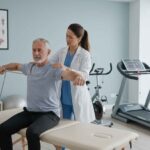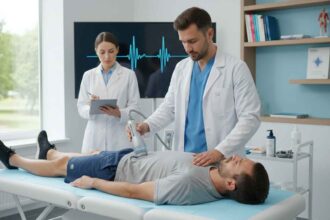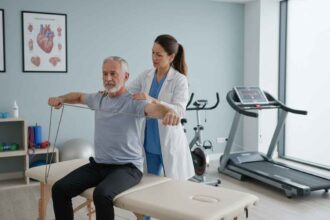
Rotator cuff syndrome (RCS) is one of the most common musculoskeletal complaints encountered in clinical physiotherapy, demanding consistent, targeted rehabilitation. Traditionally, this entails regular in-person clinic visits combined with home exercise programs. However, as healthcare delivery evolves, digital health interventions are challenging the status quo. A recent randomized controlled trial (RCT) published in PLoS One investigates whether a telemedicine approach utilizing asynchronous exercise videos and remote follow-ups can match the efficacy of conventional in-person care. Understanding these outcomes is critical for modern practitioners looking to optimize patient care and clinic resources.
Rethinking Shoulder Rehab Delivery
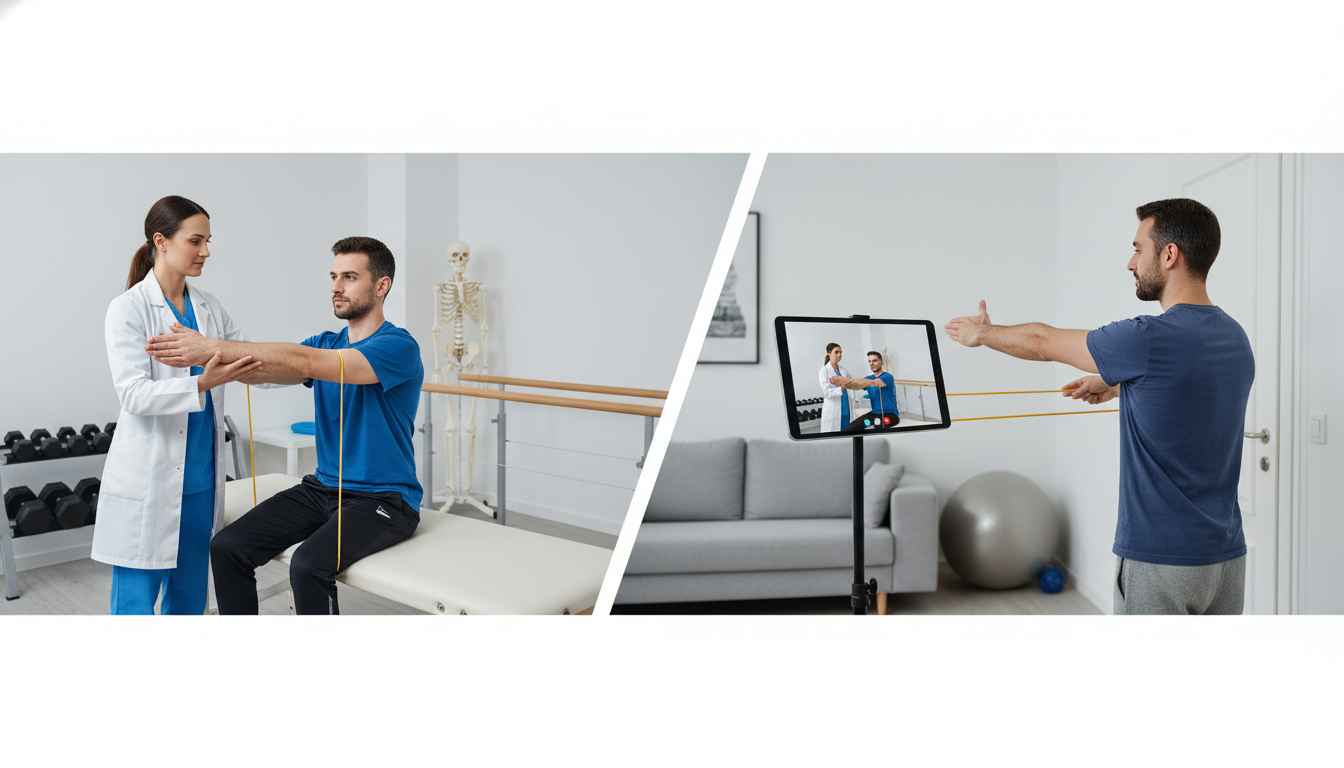
The trial enrolled 90 patients with a mean age of 51 years presenting with rotator cuff syndrome at a public hospital physiatry clinic. Participants were randomly divided into two equal groups to compare delivery methods. The Telemedicine Group was provided with asynchronous exercise videos and received follow-ups via remote video calls. Conversely, the Control Group followed a traditional care model, receiving illustrated exercise brochures and attending in-person follow-up appointments. Researchers meticulously measured primary outcomes, specifically pain via the Visual Analog Scale (VAS) and functional capability using the Quick Disabilities of Arm, Shoulder, and Hand (QuickDASH) questionnaire, evaluating the patients at baseline, 15 days, and at the 6-month mark.
Clinical Outcomes: Pain, Function, and Adherence
The findings present a compelling case for the integration of remote rehabilitation. Both the digital and conventional groups demonstrated significant within-group improvements in pain and functional scores from baseline to the 15th day, as well as sustained pain reduction at the 6-month mark. Crucially, the statistical analysis revealed no significant between-group differences in pain reduction or functional improvement at any of the measured intervals. This firmly establishes that the asynchronous video and remote follow-up model is clinically non-inferior to standard face-to-face care. Beyond clinical equivalence, the digital approach excelled in patient engagement. The Telemedicine Group demonstrated significantly higher exercise adherence and reported greater overall satisfaction compared to those relying on standard printed brochures.
Travel Burden and Cost-Effectiveness
One of the most profound advantages of the telemedicine model was its substantial impact on patient convenience and resource utilization. The study quantified the cost-effectiveness of remote care, noting that patients saved an average of 266.4 kilometers and 1325.6 minutes of travel time per unit of VAS improvement. Furthermore, 11.34 kilometers and 56.41 minutes were saved per unit of QuickDASH improvement. For patients managing work commitments, those with limited mobility, or individuals facing geographical barriers to attending a clinic, this reduction in travel burden is a massive clinical advantage that removes barriers to entry for physical therapy.
Clinical Implications for Physiotherapists
For orthopaedic and musculoskeletal physiotherapists, this RCT provides strong empirical evidence supporting the integration of telehealth into routine shoulder rehabilitation. Prescribing asynchronous video exercises and conducting remote video check-ins is not merely a compromise for when in-person care is unavailable; it is a highly effective, patient-preferred delivery method. By adopting digital pathways for RCS management, clinics can maintain high clinical standards while simultaneously improving exercise adherence, boosting patient satisfaction, and drastically reducing the logistical burden on the patient. As the landscape of musculoskeletal care continues to shift, embracing these validated technological tools will be key to delivering accessible, high-quality interventions.
References
Yilmaz Muluk, S., Olcucu, N., & El, O. (2026). Telemedicine for rotator cuff syndrome: Asynchronous exercise and remote follow-up in a randomized controlled study. PLoS one. https://pubmed.ncbi.nlm.nih.gov/41915711/