Understanding Herpes Zoster Plexopathy
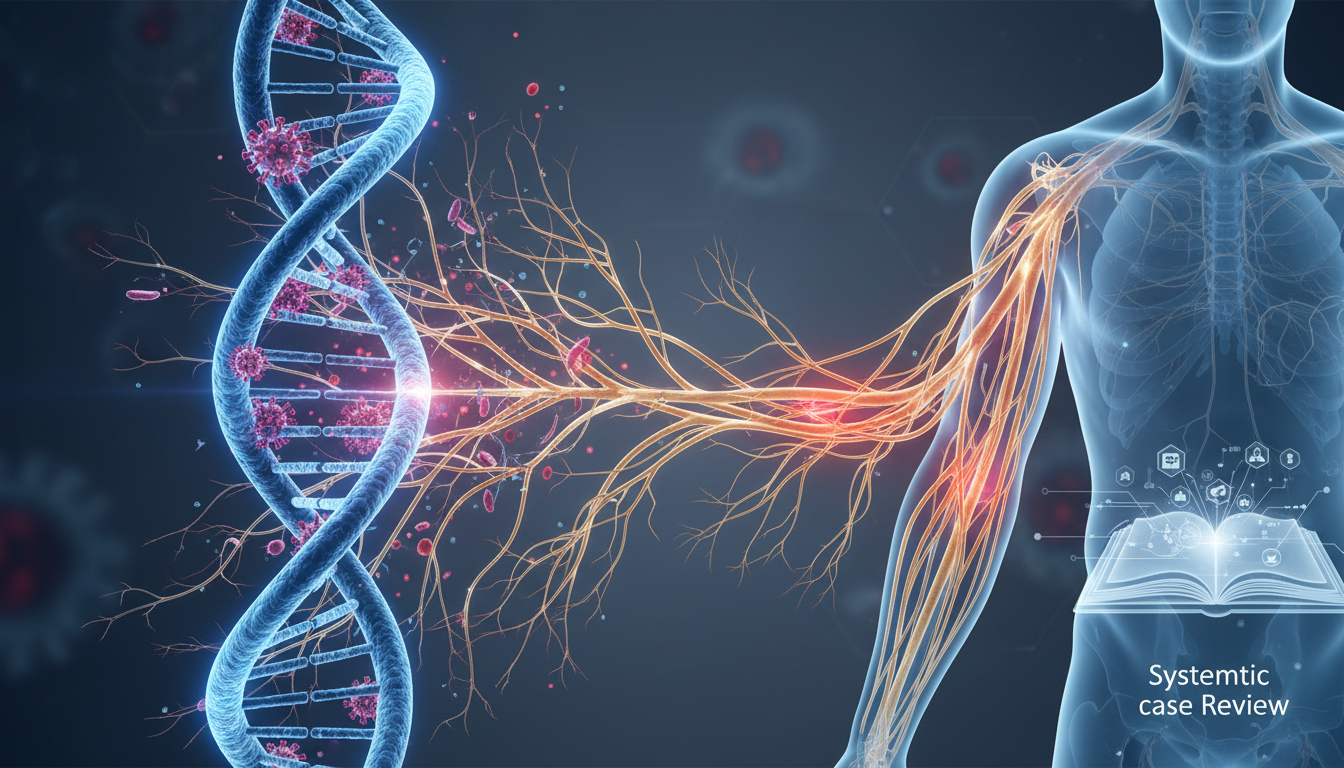
Herpes zoster (HZ), widely known as shingles, is caused by the reactivation of the varicella-zoster virus (VZV). While its primary presentation is typically a painful vesicular rash, its neurological impact can extend far beyond the skin. One of the most severe and rare complications is upper limb plexopathy, where the virus affects the brachial plexus. A groundbreaking PRISMA-guided systematic review recently published in the Journal of the Neurological Sciences (PMID: 41581370) sheds light on this complex condition, providing essential data for clinicians and specialists.
Study Overview and Methodology
The research team, led by Jover-Diaz and colleagues, conducted a comprehensive analysis of 123 patients across 60 peer-reviewed articles published between 2000 and 2025. By synthesizing data from PubMed, Scopus, and EMBASE, the authors aimed to address significant knowledge gaps regarding the incidence, pathophysiology, and long-term prognosis of HZ-induced plexopathy. This review represents the most extensive synthesis of individual patient data to date, offering a robust evidence base for future management strategies.
Key Clinical Findings
The study highlights that upper limb plexopathy predominantly affects the aging population, often following a dermatomal rash but occasionally presenting with complex neurological symptoms first. Key insights include:
- Demographics: The mean patient age was approximately 69.5 years. Unlike many autoimmune conditions, there was a balanced sex distribution among the cases studied.
- Anatomical Focus: The C5 and C6 dermatomes were the most frequently involved areas, often resulting in severe weakness and sensory loss in the shoulder and upper arm.
- Risk Factors: Comorbidities played a significant role. Diabetes mellitus and various forms of immunosuppression were frequently noted, suggesting that a weakened immune response may facilitate VZV spread from the dorsal root ganglia to the plexus.
- Diagnostic Indicators: Electrophysiological findings were crucial for diagnosis, with many patients showing axonal damage.
Therapeutic Approaches and Prognosis
Management of HZ-associated plexopathy requires a multimodal treatment strategy. The review found that standard care typically involves high-dose antiviral therapy to halt viral replication, aggressive neuropathic pain management to control debilitating symptoms, and early physical rehabilitation. Despite these interventions, the road to recovery is often long. The study reported that 47% of patients achieved a complete recovery, while the majority saw at least partial improvement. However, 27% of patients were left with permanent neurological deficits.
Predictors of Poor Outcome
One of the study’s most valuable contributions is the identification of prognostic markers. Patients over the age of 70, those with significant immunosuppression, and those who experienced a delay in diagnosis were significantly less likely to recover fully. Furthermore, an electromyography (EMG) showing pure axonal damage was a strong predictor of persistent sequelae, highlighting the need for early electrophysiological assessment to manage patient expectations and tailor treatment intensity.
Conclusion
This systematic review underscores the necessity for clinical vigilance. When a patient presents with shingles near the neck or shoulder accompanied by motor weakness, herpes zoster plexopathy must be considered immediately. Early diagnosis and a comprehensive treatment plan are the best tools available to improve the prognosis of this rare but disabling condition. Further prospective studies are required to refine diagnostic protocols and optimize therapeutic outcomes for those affected by this post-viral complication.
APA Citation:
Jover-Diaz, F., Parra-Muñoz, L., Trigueros-Rocamora, M., Delgado-Sánchez, E., Esteve-Atiénzar, P., & Peris-García, J. (2026). Upper limb plexopathy secondary to herpes zoster: A PRISMA-guided systematic case review. Journal of the Neurological Sciences, 481, 125767. https://doi.org/10.1016/j.jns.2026.125767
Source: PubMed Central