Adhesive arachnoiditis is a severe and chronic condition in which inflammation of the arachnoid membrane (one of the protective layers around the spinal cord and nerve roots) leads to scar formation, nerve root clumping, disrupted cerebrospinal fluid flow and potentially progressive neurological dysfunction.
The condition may arise after surgery, trauma, infection, chemical irritation or other insults to the intrathecal space. Because the nerve roots may become adherent or entrapped, symptoms can include persistent pain, sensory changes, motor weakness and changes in bladder, bowel or sexual function. Early recognition and management are essential to limit progression and improve patient outcome.
Anatomy and Pathophysiology
The arachnoid mater is the middle layer of the meninges surrounding the brain and spinal cord, lying between the outer dura mater and the inner pia mater. In the spinal canal, nerve roots of the cauda equina float in cerebrospinal fluid (CSF) within the subarachnoid space.
In adhesive arachnoiditis, an initial insult triggers inflammation of the arachnoid and subarachnoid tissues. This inflammation leads to collagen deposition, fibrosis and formation of adhesions that tether nerve roots to each other and to the dura. Abnormal scar tissue may gradually encase the nerve roots, impair CSF flow and restrict their mobility. Over time this process may result in nerve atrophy, impaired blood flow to nerves, and persistent pain or neurological deficits.
Etiology and Risk Factors
Mechanisms of Injury
The condition may follow spinal surgery, especially when there has been dural breach or intrathecal bleeding, chemical irritation from contrast agents, myelography, spinal injections, traumatic injury to the spine or infection of the spinal canal. In some cases, obstetric epidurals, chronic compression, or degeneration of nerve roots may trigger the adhesion process.
Risk Factors
- Prior spinal surgery, particularly if invasive or involving the dural sac
- Epidural or intrathecal injections, myelography with irritating contrast, or other intrathecal procedures
- Spinal trauma, hemorrhage into the subarachnoid space
- Spinal infection (for example meningitis)
- Degenerative spinal conditions causing nerve root irritation or compression
- Recurrent interventions in the same region
- Possibly reduced CSF flow or local vascular compromise
Clinical Presentation
Symptoms
Symptoms of adhesive arachnoiditis vary widely and may develop gradually over weeks, months or even years after the inciting event. Common complaints include:
- Persistent burning, stinging or electric-shock type pain in the back, legs or sometimes arms
- Sensory abnormalities such as tingling, crawling sensations, numbness or hypersensitivity
- Weakness of lower limbs, difficulty walking or frequent falls
- Pain that worsens on sitting, standing, bending or with movement of the spine
- In some cases dysfunction of bladder or bowels, sexual dysfunction or leg paralysis in advanced stages
Physical Examination
On examination, signs may include:
- Tenderness or unusual discomfort over the lumbar spine
- Muscle weakness in the lower limbs, reduced reflexes or gait disturbance
- Sensory changes such as allodynia or hyperalgesia
- Evidence of nerve clumping or nerve root tethering via provocative maneuvers
- In advanced cases, neurological signs of myelopathy or cauda equina involvement
Because the condition may mimic other spinal pathologies (disc herniation, spinal stenosis, neuropathy), a thorough assessment is required.
Diagnostic Evaluation
Imaging
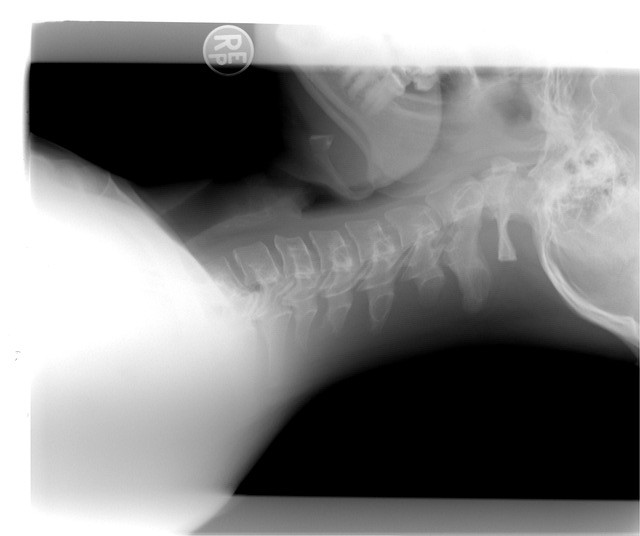
Magnetic resonance imaging (MRI) is the preferred modality and may reveal nerve root clumping, empty or narrowed thecal sac, intrathecal cysts or arachnoid webs, and impaired CSF flow. Some patterns show roots grouped centrally or peripherally within the dural sac. Computed tomography (CT) may be used to assess ossification in later stages.
Other Studies
Neurological testing (such as nerve conduction studies or electromyography) may assess nerve root function. In some cases, lumbar puncture or measurement of CSF dynamics may assist. Imaging and clinical features must be correlated, since imaging findings may not always correspond to symptom severity.
Treatment
Treatment of adhesive arachnoiditis is challenging and often focuses on symptom management, functional improvement and preventing further deterioration.
Non-operative Management
- Pain management through medications (analgesics, neuropathic pain agents)
- Physical therapy emphasising gentle stretch, mobilization of nerve roots and CSF flow, and strengthening of supporting muscles
- Activity modification to reduce irritating movements and preserve function
- Psychological and supportive care to address chronic pain and its impact on mood and quality of life
Surgical and Interventional Options
In selected cases with focal pathology (for example cysts, arachnoid webs) or progressive neurological deficit, surgical intervention may be considered. Procedures may include lysis of adhesions, decompression of nerve roots, shunting of CSF, or other intrathecal techniques. Outcomes vary and surgery may carry risk of further injury or scarring.
Rehabilitation and Follow-Up
Rehabilitation aims to restore mobility, reduce pain, maintain muscle strength and prevent worsening. Early gentle movement and nerve gliding exercises may help mitigate adhesions. Long-term follow-up is key to monitor for progression, adjust pain management strategies and address complications.
Complications and Prognosis
Adhesive arachnoiditis may lead to serious complications including chronic intractable pain, progressive nerve root damage, lower limb paralysis or partial paralysis, severe bladder/bowel dysfunction, and significant physical disability. Some patients may require assistive devices or wheelchairs. Prognosis depends on the extent of scarring, nerve damage, delay in diagnosis and management. Early recognition improves chances of preservation of function.
Prevention and Patient Education
Effective prevention includes careful planning and technique during spinal and intrathecal interventions, minimising risk of dural breach or chemical irritation, prompt treatment of spinal infections or hemorrhage, and minimising repeated traumatic interventions in the spinal canal. Patients should be informed about recognising early symptoms of nerve root irritation, maintaining spinal health through posture, exercise and avoiding repeat intrusive procedures where possible.
References
Maillard, J., Batista, S., Medeiros, F., Farid, G., Santa Maria, P. E., Perret, C. M., … & Farid Sr, G. D. M. (2023). Spinal adhesive arachnoiditis: a literature review. Cureus, 15(1).
Rice, I., Wee, M. Y. K., & Thomson, K. (2004). Obstetric epidurals and chronic adhesive arachnoiditis. British Journal of Anaesthesia, 92(1), 109-120.
Anderson, T. L., Morris, J. M., Wald, J. T., & Kotsenas, A. L. (2017). Imaging appearance of advanced chronic adhesive arachnoiditis: a retrospective review. American Journal of Roentgenology, 209(3), 648-655.