Kyphosis is a spinal condition characterized by an excessive outward curvature of the thoracic spine, resulting in a rounded or hunched upper back. Although a mild curvature in the thoracic spine is normal, kyphosis refers to a more pronounced curve, typically more than 50 degrees, creating a noticeable hump or forward posture. This condition can affect individuals of all ages but is especially common in older adults due to degenerative diseases like osteoporosis. Kyphosis can be either postural or structural, and its severity ranges from subtle deformities to debilitating curvature, affecting a person’s appearance, mobility, and overall quality of life (1).
There are several types of kyphosis, including postural kyphosis, Scheuermann’s kyphosis, and congenital kyphosis, each with unique causes and treatment strategies. While some forms are benign and manageable with conservative care, others may progress and require surgical intervention. Understanding kyphosis is crucial for early diagnosis, effective treatment, and the prevention of complications (1).
Symptoms
The symptoms of kyphosis can vary depending on the type, severity, and age of onset. Common signs and symptoms include (1).
- Rounded or hunched back appearance
- Back pain, particularly in the upper or middle spine
- Stiffness or tenderness in the spinal region
- Fatigue, especially after standing or sitting for long periods (2).
- Muscle weakness or imbalance
- Reduced spinal mobility
- Tight hamstrings (particularly in adolescents)
- In severe cases, difficulty breathing due to pressure on the lungs and internal organs
Children and teens with Scheuermann’s disease may not report pain initially but develop cosmetic concerns. In elderly individuals, pain and loss of height are more prominent (2).
Causes
Kyphosis can result from various causes, including postural habits, congenital malformations, and degenerative diseases (2). Key causes include
- Postural Kyphosis is often seen in adolescents due to slouching or poor posture. It is flexible and does not involve structural abnormalities.
- Scheuermann’s Kyphosis: A condition typically emerging during adolescence, involving structural vertebral changes where the front portions of the vertebrae grow slower than the back, resulting in wedge-shaped vertebrae.
- Congenital Kyphosis is caused by malformations in the spine present at birth, such as fused or improperly formed vertebrae.
- Osteoporosis is A major cause in older adults, where bone loss leads to compression fractures and spinal deformity.
- Spinal infections or tumors. Conditions like tuberculosis (Pott’s disease) or cancer can erode spinal bones and lead to kyphosis.
- Degenerative diseases, Such as Disc degeneration or arthritis, can cause abnormal curvature over time.
- Trauma Spinal fractures or injuries may lead to kyphotic deformities (3).
Risk Factors
Several factors increase the likelihood of developing kyphosis (3).
- Age: Elderly individuals are more prone to degenerative kyphosis and osteoporosis-related fractures.
- Gender Females, especially postmenopausal women, are at greater risk due to higher osteoporosis rates.
- Poor posture: Prolonged slouching can contribute to postural kyphosis.
- Genetics: A family history of spinal deformities increases risk.
- Nutritional deficiencies: Inadequate intake of calcium or vitamin D can weaken bones.
- Rapid growth during adolescence: This can make the spine more vulnerable to Scheuermann’s kyphosis.
- Neuromuscular disorders: Conditions like cerebral palsy or muscular dystrophy can predispose individuals to abnormal spinal curvatures.
Diagnosis
Diagnosing kyphosis typically involves a combination of medical history, physical examination, and imaging studies (3).
- Physical Examination
- Observation of spinal curvature from the side and back
- Range of motion and flexibility tests
- Neurological assessment to detect signs of nerve compression
- Imaging Tests
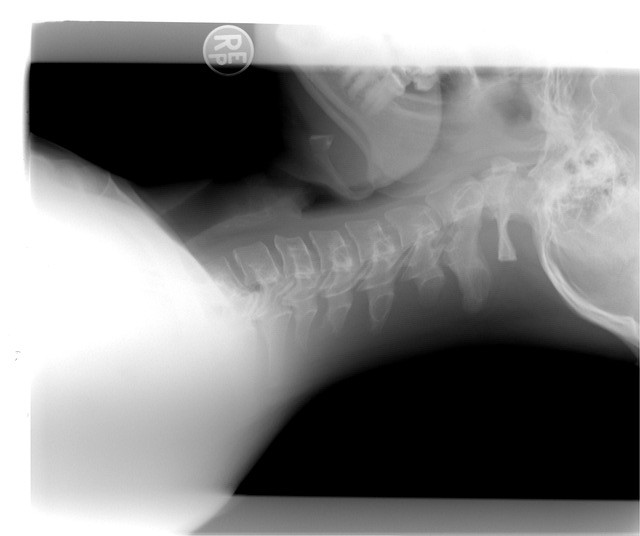
- X-rays are the primary diagnostic tool to measure the degree of spinal curvature and identify vertebral anomalies.
- MRI or CT scan is used to evaluate soft tissue involvement, spinal cord compression, or underlying tumors/infections.
- Bone density test (DEXA scan), especially in elderly patients, to assess for osteoporosis.
- Pulmonary Function Tests In severe cases to assess how the spinal curvature impacts lung function.
Treatment Options
Treatment of kyphosis depends on the type, severity, patient’s age, and presence of symptoms. It may range from observation to surgery (2).
Non-Surgical Treatment
- Physical Therapy Focuses on strengthening back muscles, improving posture, and increasing flexibility.
- Bracing is particularly effective in adolescents with Scheuermann’s kyphosis if the curvature is still developing.
- Pain Management: NSAIDs or acetaminophen for managing discomfort.
- Postural Training: Ergonomic improvements and education on maintaining a healthy spine alignment.
- Osteoporosis Management Includes calcium/vitamin D supplements and medications like bisphosphonates to strengthen bones (3).
Surgical Treatment
Surgery is reserved for severe kyphosis (usually >75°), cases with neurological symptoms, or when conservative treatments fail (3). Common procedures include
- Spinal fusion is the most common surgical method, stabilizing and correcting the spinal curve.
- Osteotomy: Removing portions of bone to allow realignment of the spine.
- Instrumented correction: Insertion of rods, screws, and plates to support and realign the spine.
Surgical risks include infection, nerve damage, and failure to achieve full correction, so it’s usually considered after thorough evaluation.
Living With or Prevention
Living with kyphosis requires a combination of lifestyle adaptations, ongoing care, and proactive prevention (2).
Living With Kyphosis
- Maintain regular physical activity, including back-strengthening and stretching exercises.
- Adopt ergonomic practices at work and home to support spinal health.
- Manage chronic pain through physical therapy, massage, or alternative therapies like acupuncture.
- For elderly patients, using mobility aids or home modifications may help reduce fall risk and improve quality of life (2).
- Regular follow-up visits with a spine specialist are essential for monitoring progression.
Prevention
- Postural awareness and training from a young age can prevent postural kyphosis.
- Bone health maintenance, especially in women, through diet, exercise, and supplements.
- Avoiding heavy backpacks and teaching proper lifting techniques in children and teens.
- Early intervention during adolescence or when symptoms first appear can significantly reduce long-term complications (3).
References
- Lam JC, Mukhdomi T. Kyphosis. 2023 Aug 8. In StatPearls [Internet]. Treasure Island (FL) StatPearls Publishing; 2025 Jan–. PMID 32644371.
- Sebaaly A, Farjallah S, Kharrat K, Kreichati G, Daher M. Scheuermann’s kyphosis: update on pathophysiology and surgical treatment. EFORT Open Rev. 2022 Dec 7;7(11):782-791. doi: 10.1530/EOR-22-0063. PMID: 36475554; PMCID: PMC9780615.
- Koelé MC, Lems WF, Willems HC. The Clinical Relevance of Hyperkyphosis: A Narrative Review. Front Endocrinol (Lausanne). 2020 Jan 24;11:5. doi: 10.3389/fendo.2020.00005. PMID: 32038498; PMCID: PMC6993454.