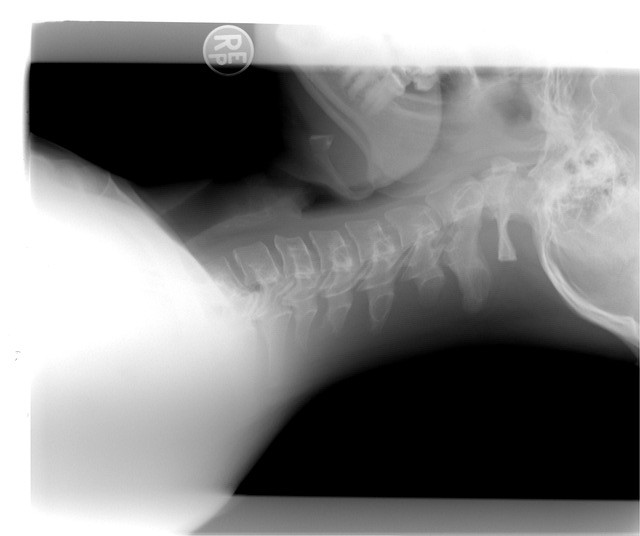
A zygapophyseal joint sprain, also known as a facet joint sprain, occurs when one of the small joints between vertebrae in the spine becomes inflamed or injured. These joints, called zygapophyseal joints, allow for spinal flexibility and movement. When sprained, they can cause significant discomfort, especially in the neck or lower back (1).
Symptoms
The symptoms of a zygapophyseal joint sprain often resemble other spinal issues, making diagnosis tricky. Common signs include (1):
- Localized pain in the neck (cervical) or lower back (lumbar)
- Pain that worsens with movement, especially bending or twisting
- Muscle stiffness and reduced mobility
- In some cases, referred pain into the shoulder, buttocks, or thighs
- Tenderness over the affected joint area
Causes and Risk Factors
Zygapophyseal joint sprains are usually caused by:
- Sudden trauma, like whiplash or a fall
- Repetitive strain, such as poor posture or frequent twisting motions
- Heavy lifting or improper body mechanics
Risk factors that increase the chance of this condition include:
- Sedentary lifestyle or long periods of sitting
- Weak core muscles
- Age-related degeneration
- Previous back injuries (1)(2)
Complications
If left untreated, a facet joint sprain may lead to:
- Chronic pain that affects daily activities
- Reduced range of motion in the spine
- Muscle imbalances due to altered movement
- Increased risk of degenerative joint disease
Early treatment can help prevent these long-term issues (1)(2).
Diagnosis
Doctors use a combination of tools to diagnose a zygapophyseal joint sprain:
- Medical history and physical examination to assess posture, range of motion, and tenderness
- Imaging tests like X-rays, MRI, or CT scans to rule out fractures or disc issues
- In some cases, facet joint injections (diagnostic blocks) help confirm the diagnosis if pain subsides temporarily (2)
Treatment
Treatment focuses on reducing pain and restoring normal movement. Common options include:
- Medications: NSAIDs (like ibuprofen) to reduce pain and inflammation
- Physical therapy: Stretching, strengthening, and posture correction
- Manual therapy: Chiropractic or physiotherapy adjustments
- Heat or ice therapy: To manage acute pain
- Activity modification: Avoiding positions or activities that worsen symptoms
- Injections: Facet joint corticosteroid injections for persistent cases
- Surgery: Rarely needed unless there’s structural damage or ongoing nerve involvement (3)
Prevention
A zygapophyseal joint sprain can cause discomfort and mobility issues, but early diagnosis and proper treatment often lead to full recovery. Awareness of its causes and symptoms helps in timely intervention and prevention of chronic spinal problems (3).
References
- Dwyer, A., Aprill, C. H. A. R. L. E. S., & Bogduk, N. I. K. O. L. A. I. (1990). Cervical zygapophyseal joint pain patterns. I: A study in normal volunteers. Spine, 15(6), 453-457.
- Cohen, S. P., & Raja, S. N. (2007). Pathogenesis, diagnosis, and treatment of lumbar zygapophysial (facet) joint pain. Anesthesiology, 106(3), 591-614.
- Saravanakumar, K., & Harvey, A. (2008). Lumbar zygapophyseal (facet) joint pain. Reviews in pain, 2(1), 8-13.