Xiphoid syndrome, also known as xiphodynia, is a rare and often overlooked condition that causes pain and tenderness in the lower part of the sternum, known as the xiphoid process. This small cartilage extension at the bottom of the breastbone can become inflamed or irritated due to trauma, repetitive strain, or posture-related issues (1).
Symptoms
Symptoms of xiphoid syndrome can vary but commonly include:
- Localized pain or tenderness at the lower end of the sternum
- Pain that worsens with bending, lifting, or pressure on the chest
- Radiating pain to the abdomen, back, arms, or shoulders
- Discomfort during deep breathing or swallowing
- In some cases, a palpable lump or swelling over the xiphoid area
The pain may be dull and persistent or sharp and sudden, leading many patients to fear they are having a cardiac event (1).
Causes and Risk Factors
Xiphoid syndrome can be caused by:
- Direct trauma to the chest, such as from seatbelts during accidents
- Repetitive strain or heavy lifting
- Rapid weight loss, leading to less soft tissue cushioning around the xiphoid
- Postural stress from slouching or poor ergonomic alignment
- Post-surgical irritation from abdominal or thoracic procedures
Risk factors include:
- History of chest injuries
- Occupations involving heavy physical labor
- Obesity or rapid body composition changes
- Pre-existing musculoskeletal conditions (2)
Complications
Though not life-threatening, untreated xiphoid syndrome can lead to:
- Chronic pain interfering with daily activities
- Misdiagnosis, potentially leading to unnecessary tests or anxiety
- Postural imbalances, due to guarding or compensation movements
- Psychological distress due to persistent chest discomfort (2)
Diagnosis
Xiphoid syndrome is primarily a clinical diagnosis. Doctors may use:
- Physical examination: Pain reproduced by pressing the xiphoid process
- Patient history: Noting trauma, strain, or postural habits
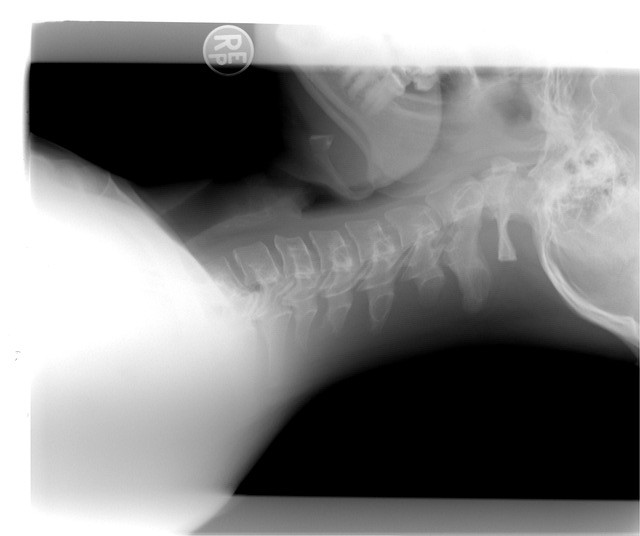
- Imaging: X-rays, ultrasound, or CT scans to rule out fractures or other pathology
- Cardiac evaluation: To exclude heart-related causes of chest pain
Correct diagnosis is essential, as xiphodynia is often confused with cardiac, gastrointestinal, or musculoskeletal issues (2)(3).
Treatment
Most cases of xiphoid syndrome respond well to conservative treatment:
Conservative Care
- NSAIDs (e.g., ibuprofen) for pain and inflammation
- Local cold or heat therapy to relieve symptoms
- Postural correction and ergonomic modifications
- Avoidance of pressure on the chest area (tight clothing, belts)
- Stretching and strengthening exercises for the upper body
Medical Interventions
- Corticosteroid injections for persistent inflammation
- In rare chronic cases, xiphoidectomy (surgical removal of the xiphoid) may be considered
Recovery is usually favorable with rest and proper care (3).
Living With Xiphoid Syndrome
Living with xiphoid syndrome, a condition characterized by pain or inflammation in the xiphoid process (the small cartilaginous extension at the lower end of the sternum) can be challenging, especially when pain is triggered by everyday activities like bending, lifting, or sitting for long periods.
People with xiphoid syndrome may experience:
- Sharp or dull chest pain
- Discomfort that worsens with movement, pressure, or after eating
- Referred pain in the back, neck, or abdomen
To manage symptoms:
- Avoid activities that aggravate the pain, such as heavy lifting or poor posture.
- Use ice or heat packs on the affected area as advised by a physician.
- Over-the-counter pain relievers (NSAIDs) can help reduce inflammation and pain.
- Posture correction and ergonomic adjustments may ease mechanical stress on the chest.
- Physical therapy may be recommended to strengthen supportive muscles and reduce strain on the sternum.
Most patients see improvement with conservative treatment, but chronic or unresolved cases may require corticosteroid injections or minor surgical intervention (3).
References
1. Ono R, Hamano H, Yarita T. Xiphodynia. Intern Med. 2022 Jan 1;61(1):131. doi: 10.2169/internalmedicine.7395-21. Epub 2021 Jul 3. PMID: 34219108; PMCID: PMC8810254.
2. Yapici Ugurlar O, Ugurlar M, Ozel A, Erturk SM. Xiphoid syndrome: an uncommon occupational disorder. Occup Med (Lond). 2014 Jan;64(1):64-6. doi: 10.1093/occmed/kqt132. Epub 2013 Dec 11. PMID: 24336479.
3. van Boekel A, Stollenwerck G, Ritchie ED, Vogels S. Xiphodynia as an Unusual Cause of Chest Pain: A Case Series. Surg J (N Y). 2023 Feb 7;9(1):e39-e43. doi: 10.1055/s-0043-1761270. PMID: 36762001; PMCID: PMC9904973.