Wiedemann Syndrome, also known as Wiedemann-Rautenstrauch Syndrome (WRS), is a rare genetic disorder characterized by features of premature aging (progeria) that begin at or before birth. This neonatal progeroid syndrome affects physical appearance, growth, fat distribution, and can involve developmental delays. Early diagnosis is crucial for appropriate care and family support (1).
Symptoms
Wiedemann Syndrome presents with distinct clinical features, typically observed at birth or in early infancy. Common symptoms include:
- Aged facial appearance: thin skin, prominent veins, sparse hair
- Failure to thrive: low birth weight, poor weight gain
- Lack of subcutaneous fat
- Macrocephaly (large head size)
- Delayed tooth eruption or dental abnormalities
- Developmental delays (mild to moderate)
- Feeding difficulties in infancy
Symptoms vary in severity from one child to another. Despite their aged appearance, children may live a relatively stable early life with proper care (1).
Causes and Risk Factors
Causes:
Wiedemann Syndrome is caused by mutations in the POLR3A gene, which affects how certain proteins help produce RNA. This gene plays a vital role in early growth and development.
Risk Factors:
- Genetic inheritance: It is an autosomal recessive disorder, meaning both parents must carry a copy of the mutated gene
- Higher risk in families with consanguineous marriage (closely related parents)
- No known environmental or lifestyle risk factors are involved (1)
Complications
Potential complications include:
- Feeding difficulties and nutritional deficiencies
- Delayed milestones such as walking and speech
- Weakened immune system, increasing the risk of infections
- Skeletal abnormalities or joint stiffness
- Psychological or social challenges due to visible appearance
Though life expectancy is not clearly defined, most patients require long-term monitoring (2).
Diagnosis
Diagnosis involves a combination of clinical features and genetic testing:
- Physical examination at birth noting progeroid features
- Genetic testing to confirm POLR3A mutations
- Neurodevelopmental assessments for delays
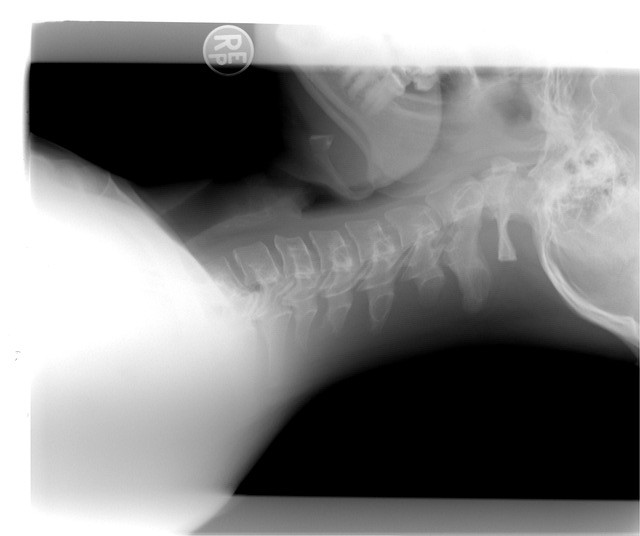
- Imaging tests may be used to evaluate skeletal abnormalities
Differential diagnosis includes other progeroid syndromes, so genetic confirmation is essential (2).
Treatment
There is no cure for Wiedemann Syndrome. Treatment is supportive and symptom-based, often requiring a multidisciplinary approach:
- Nutritional support: Feeding therapy and supplements
- Physical and occupational therapy for developmental delays
- Speech therapy
- Dental care for delayed tooth eruption
- Regular follow-ups with pediatric specialists (neurologist, endocrinologist, etc.)
- Genetic counseling for families
Managing symptoms early can improve quality of life and developmental outcomes (3).
Living With Wiedemann Syndrome
Living with Wiedemann Syndrome involves ongoing care and family support. Children with WRS can lead meaningful lives when their medical, nutritional, and developmental needs are addressed consistently.
Helpful tips for families:
- Stay consistent with therapies and medical appointments
- Track growth and developmental milestones regularly
- Join rare disease support groups for emotional support
- Work closely with a pediatric care team
- Promote inclusion in school and social environments
- Consider counseling to address family or emotional challenges
Support from medical professionals, educators, and advocacy networks can help both the child and the family adapt and thrive despite the syndrome’s challenges (3).
References
1.Proud VK et al. Wiedemann-Rautenstrauch syndrome. Orphanet J Rare Dis. 2010.
2. Jay PR et al. Mutations in POLR3A cause Wiedemann-Rautenstrauch syndrome. Nature Genet. 2019.
3. Kapp L, et al. Wiedemann-Rautenstrauch syndrome: review of the literature and report of a case with dental findings.