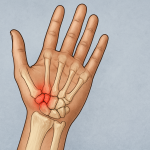
Tendinopathy is a broad term used to describe chronic tendon injuries that result from overuse or degeneration, rather than acute trauma. It encompasses a range of tendon disorders including tendinitis (inflammation of the tendon) and tendinosis (degeneration of the tendon tissue without inflammation) (1). Tendinopathy often affects tendons around the shoulders, elbows, wrists, knees, and ankles. Commonly seen in athletes and individuals engaged in repetitive activities, it leads to pain, reduced strength, and impaired function, potentially affecting quality of life if left untreated (2). With increasing awareness of musculoskeletal health and sports medicine, early diagnosis and effective management of tendinopathy have become essential to prevent long-term disability.
Symptoms
The hallmark symptom of tendinopathy is pain, usually localized to the affected tendon. Other common symptoms include (3).
- Pain with activity: Initially, pain may occur only during or after activity but can progress to being constant.
- Stiffness: Especially in the morning or after periods of rest.
- Tenderness: The tendon may be sore to the touch.
- Swelling or thickening: In chronic cases, the tendon may appear visibly swollen.
- Reduced strength and function: Difficulty in performing specific movements or activities that involve the affected tendon.
Symptoms can develop gradually over time and worsen if the underlying issue is not addressed (4).
Causes
Tendinopathy primarily results from overuse or repetitive strain on a tendon, which leads to microtrauma and subsequent degeneration of the tendon fibers. Over time, the body’s ability to repair this damage is outpaced, resulting in structural changes to the tendon.
Common causes include
- Repetitive motion: Repetitive movements, especially in sports like tennis, running, swimming, or occupations involving manual labor, increase tendon stress.
- Improper technique: Faulty biomechanics or poor posture during physical activities can overload tendons.
- Sudden increase in activity: Rapid escalation in exercise intensity, frequency, or duration can overburden tendons.
- Age-related degeneration: Tendons lose elasticity and resilience with age, becoming more prone to injury.
- Poor conditioning: Weak muscles can place more stress on tendons.
Risk Factors
Several factors can predispose individuals to tendinopathy, including
- Age: Individuals over 40 are at a higher risk due to natural wear and tear of tendons.
- Sports participation: Athletes involved in high-impact or repetitive motion sports are especially vulnerable (4).
- Occupation: Jobs requiring repetitive motion or sustained postures (e.g., carpenters, painters, factory workers) can contribute to tendon overload.
- Improper training: Lack of warm-up, poor equipment, or inadequate rest between sessions increase the likelihood of tendon injury.
- Medical conditions: Conditions like diabetes, rheumatoid arthritis, and thyroid disorders can weaken tendons.
- Medications: Some antibiotics (e.g., fluoroquinolones) and corticosteroids have been associated with tendon degeneration.
Diagnosis
Diagnosing tendinopathy typically involves a combination of clinical assessment and imaging studies. A healthcare provider will perform a detailed physical exam and ask about symptoms, activity levels, and history of overuse (2).
Diagnostic tools include
- Ultrasound: Useful for detecting tendon thickening, tears, and abnormal vascularization.
- MRI (Magnetic Resonance Imaging): Provides detailed images to evaluate tendon structure and severity of damage.
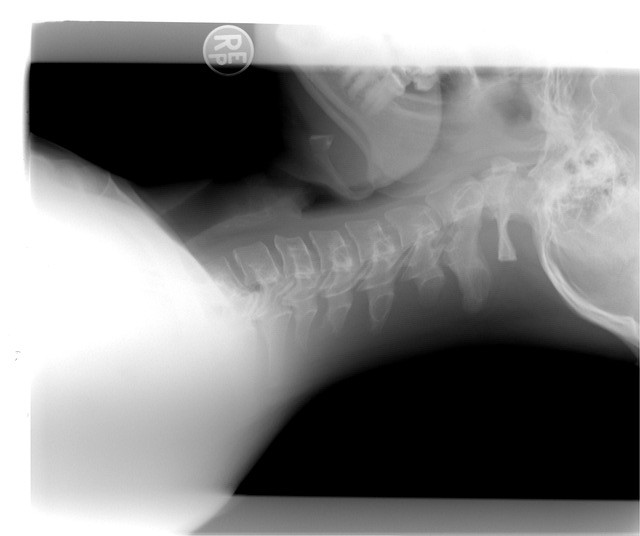
- X-rays: While not useful for soft tissues, they help rule out bone-related conditions.
- Clinical tests: Specific movement tests or resistance tests can help isolate the affected tendon and assess function.
A precise diagnosis is essential to distinguish tendinopathy from other musculoskeletal disorders like bursitis, muscle strain, or arthritis.
Treatment Options
The primary goal of treating tendinopathy is to reduce pain, restore function, and prevent further injury. Treatment is usually non-surgical, especially in the early stages (1).
Rest and Activity Modification
Avoiding or altering the activity that triggered the tendinopathy is the first step. Complete immobilization is not recommended; relative rest helps maintain flexibility and function.
Physical Therapy
A tailored rehabilitation program involving eccentric exercises (lengthening muscle-tendon units under load) has been shown to be highly effective. Therapy may also include:
- Stretching and strengthening exercises
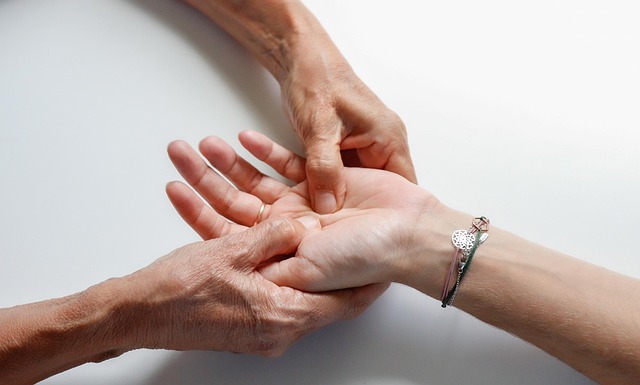
- Soft tissue massage or myofascial release
- Manual therapy and joint mobilization
Medications
- NSAIDs (Non-steroidal anti-inflammatory drugs): Useful for managing pain and inflammation, particularly in acute cases.
- Topical analgesics: May be used for localized relief.
Modalities and Injections
- Ultrasound therapy, laser therapy, or shockwave therapy can stimulate healing.
- Corticosteroid injections: Provide short-term pain relief but should be used cautiously due to risk of tendon rupture.
- Platelet-rich plasma (PRP) injections: An emerging treatment believed to enhance tendon healing through growth factors.
Surgery
Surgical intervention is considered only when conservative management fails after 6–12 months. Surgery may involve:
- Debridement (removal of damaged tendon tissue)
- Tendon repair or reconstruction
Living With or Prevention
Living with tendinopathy requires adopting a lifestyle that supports tendon health and prevents recurrence.
Self-Care and Management Tips
- Regular exercise: Maintain muscle strength and flexibility through consistent, low-impact exercises.
- Proper technique: Learn and use correct form during sports or work-related tasks.
- Ergonomics: Optimize your work or exercise environment to reduce strain on tendons.
- Gradual progression: When increasing exercise intensity, do so gradually to allow tendons to adapt (4).
- Warm-up and cool-down: Always prepare your muscles and tendons for activity.
- Weight management: Maintain a healthy body weight to reduce stress on tendons, particularly in the lower limbs.
When to Seek Help
Persistent pain, swelling, or difficulty with movement should not be ignored. Early intervention is key to preventing chronic tendinopathy and long-term complications.
References
- Bass E. Tendinopathy: why the difference between tendinitis and tendinosis matters. Int J Ther Massage Bodywork. 2012;5(1):14-7. doi: 10.3822/ijtmb.v5i1.153. Epub 2012 Mar 31. PMID: 22553479; PMCID: PMC3312643.
- Kaux JF, Forthomme B, Goff CL, Crielaard JM, Croisier JL. Current opinions on tendinopathy. J Sports Sci Med. 2011 Jun 1;10(2):238-53. PMID: 24149868; PMCID: PMC3761855.
- Fu SC, Rolf C, Cheuk YC, Lui PP, Chan KM. Deciphering the pathogenesis of tendinopathy: a three-stages process. Sports Med Arthrosc Rehabil Ther Technol. 2010 Dec 13;2:30. doi: 10.1186/1758-2555-2-30. PMID: 21144004; PMCID: PMC3006368.
- Loiacono C, Palermi S, Massa B, Belviso I, Romano V, Gregorio AD, Sirico F, Sacco AM. Tendinopathy: Pathophysiology, Therapeutic Options, and Role of Nutraceutics. A Narrative Literature Review. Medicina (Kaunas). 2019 Aug 7;55(8):447. doi: 10.3390/medicina55080447. PMID: 31394838; PMCID: PMC6723894.