Rheumatoid arthritis (RA) is a chronic autoimmune disorder primarily affecting the joints. Unlike osteoarthritis, which results from wear and tear, RA arises when the immune system mistakenly attacks the synovium the lining of the joints leading to inflammation, swelling, and ultimately joint damage (1). This condition can significantly impair physical function and quality of life if left untreated. RA commonly affects smaller joints first, such as those in the hands and feet, and can later involve larger joints and even organs like the lungs, eyes, or skin. Affecting millions worldwide, RA is more prevalent in women and typically develops between the ages of 30 and 60 (1).
Symptoms
The hallmark symptoms of rheumatoid arthritis include (1):
- Joint pain and stiffness: Especially in the morning or after periods of inactivity.
- Swelling: Affected joints often appear swollen and tender.
- Warmth and redness: Inflammation leads to warmth and color changes around the joints.
- Fatigue: Persistent tiredness and lack of energy are common even in the early stages.
- Low-grade fever: Some individuals may experience mild fevers as part of the systemic inflammation.
- Weight loss: Unintentional weight loss can occur due to chronic inflammation.
- Symmetrical joint involvement: RA typically affects joints on both sides of the body.
- Rheumatoid nodules: Firm lumps under the skin, especially over bony areas like elbows.
The disease often progresses through flares (increased disease activity) and remissions (reduced symptoms) (1).
Causes
The exact cause of RA remains unknown, but several contributing factors have been identified (2):
- Autoimmune dysfunction: The immune system mistakenly targets healthy joint tissues.
- Genetic predisposition: Certain genetic markers, such as HLA-DR4, increase susceptibility.
- Environmental triggers: Infections or exposures (like smoking) may initiate autoimmune responses in genetically vulnerable individuals (2).
- Hormonal influences: RA is more prevalent in women, suggesting hormonal roles in disease development.
While the root cause is multifactorial, the resulting effect is consistent chronic inflammation that damages joints and surrounding tissues.
Risk Factors
Several factors increase the risk of developing RA (2):
- Gender: Women are about three times more likely than men to develop RA.
- Age: RA can occur at any age, but it is most common between ages 30 and 60.
- Genetics: A family history of RA increases one’s risk (2).
- Smoking: Tobacco use is a major environmental risk factor and also worsens disease severity.
- Obesity: Excess body weight can increase disease risk and worsen symptoms.
- Environmental exposures: Prolonged exposure to silica or asbestos may contribute to RA.
- History of certain infections: Some viral and bacterial infections are suspected of triggering autoimmune activity.
Being aware of these risk factors can help in early identification and proactive health management (2).
Diagnosis
Diagnosing rheumatoid arthritis involves a combination of clinical examination, laboratory testing, and imaging studies (3):
- Medical history and physical examination: A rheumatologist evaluates joint pain, swelling, and stiffness along with systemic symptoms like fatigue and fever.
- Blood tests:
- Rheumatoid factor (RF) and anti-cyclic citrullinated peptide (anti-CCP) antibodies: Often positive in RA patients (3).
- Erythrocyte sedimentation rate (ESR) and C-reactive protein (CRP): Elevated levels indicate inflammation.
- Complete blood count (CBC): May reveal anemia, common in chronic inflammation.
- Imaging tests:
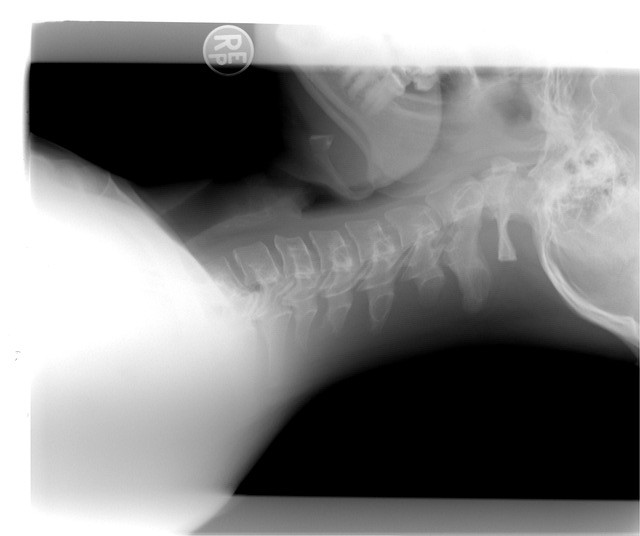
- X-rays: Can show joint space narrowing, bone erosion, and deformities.
- Ultrasound or MRI: Useful in detecting early joint changes and inflammation not visible on X-rays.
Early diagnosis is crucial to initiate treatment and prevent joint damage and long-term disability (3).
Treatment Options
Although there is no cure for RA, numerous treatments aim to manage symptoms, reduce inflammation, and slow disease progression (3):
Medications
- Nonsteroidal anti-inflammatory drugs (NSAIDs): Reduce pain and inflammation.
- Corticosteroids (e.g., prednisone): Offer rapid relief but are generally used short-term due to side effects (2).
- Disease-modifying antirheumatic drugs (DMARDs): Such as methotrexate, sulfasalazine, and leflunomide, slow disease progression.
- Biologic agents: Target specific components of the immune system. Examples include TNF inhibitors (etanercept, adalimumab), IL-6 inhibitors (tocilizumab), and B-cell depleting agents (rituximab) (1).
- JAK inhibitors: Oral medications like tofacitinib that block inflammatory signaling pathways.
Physical Therapy
Physical and occupational therapy helps maintain joint function, improve flexibility, and manage pain through exercises, splints, and assistive devices.
Surgical Intervention
When joints are severely damaged, surgery may be necessary:
- Synovectomy: Removal of inflamed synovial tissue.
- Joint replacement: Particularly in knees and hips, to restore mobility and relieve pain.
Living With or Prevention
Living With Rheumatoid Arthritis
Managing RA is a lifelong process. Lifestyle adjustments and self-care strategies can significantly improve quality of life (2):
- Regular exercise: Low-impact activities like swimming and walking help maintain joint function and muscle strength.
- Balanced diet: Anti-inflammatory diets rich in fruits, vegetables, whole grains, and omega-3 fatty acids may help control symptoms.
- Adequate rest: Balancing activity with rest is essential during flare-ups.
- Stress management: Techniques such as yoga, meditation, and therapy can help manage emotional stress, which may worsen symptoms.
- Joint protection: Using ergonomic tools and modifying daily activities to reduce strain on joints.
Prevention
While RA cannot be entirely prevented, certain steps can reduce risk or delay onset (2):
- Avoid smoking: Smoking cessation is one of the most important preventive strategies.
- Maintain healthy weight: Reduces stress on joints and systemic inflammation.
- Early treatment of symptoms: Seeking medical advice early helps in diagnosing and managing the disease before irreversible damage occurs.
References
- Smolen JS, Aletaha D, Barton A, Burmester GR, Emery P, Firestein GS, Kavanaugh A, McInnes IB, Solomon DH, Strand V, Yamamoto K. Rheumatoid arthritis. Nat Rev Dis Primers. 2018 Feb 8;4:18001. doi: 10.1038/nrdp.2018.1. PMID: 29417936.
- Jahid M, Khan KU, Rehan-Ul-Haq, Ahmed RS. Overview of Rheumatoid Arthritis and Scientific Understanding of the Disease. Mediterr J Rheumatol. 2023 Aug 1;34(3):284-291. doi: 10.31138/mjr.20230801.oo. PMID: 37941854; PMCID: PMC10628871.
- Peterson E, Gallagher MK, Wilbur J. Rheumatoid Arthritis: Diagnosis and Management for the Family Physician. Am Fam Physician. 2024 Nov;110(5):515-526. PMID: 39556634.