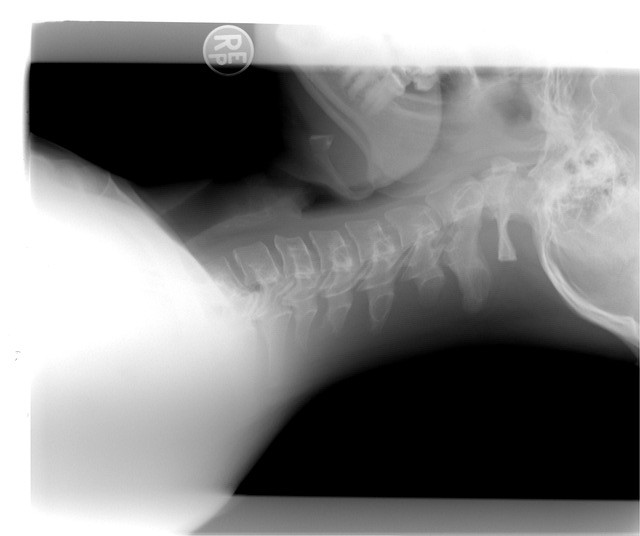
Plasmacytoma is a rare form of cancer that arises from plasma cells, a type of white blood cell responsible for producing antibodies. It is considered part of the spectrum of plasma cell dyscrasias and can occur as a solitary lesion or progress to multiple myeloma, a more widespread and systemic condition. Plasmacytomas are typically classified into two types: solitary bone plasmacytoma (SBP) and extramedullary plasmacytoma (EMP). SBP usually occurs in the spine, ribs, pelvis, or skull, while EMP commonly affects soft tissues, especially those in the upper respiratory tract. Early diagnosis and intervention can significantly influence outcomes, making awareness of this condition crucial (1).
Symptoms
Symptoms of plasmacytoma can vary depending on its location and whether it remains localized or progresses. In the case of solitary bone plasmacytoma, symptoms often reflect bone damage or compression (1):
- Bone pain, especially in the spine or ribs
- Fractures, due to bone weakening
- Swelling or a visible mass, in cases of extramedullary involvement
- Neurological symptoms, such as numbness or weakness if the tumor compresses spinal nerves
- Fatigue or anemia, in rare cases where bone marrow is involved
- Recurrent infections, if the immune system becomes compromised
In extramedullary plasmacytoma, especially in the upper respiratory tract, patients may experience (2):
- Nasal congestion or obstruction
- Epistaxis (nosebleeds)
- Hoarseness
- Difficulty swallowing
Symptoms often overlap with more common benign conditions, which can lead to delays in diagnosis (2).
Causes
The exact cause of plasmacytoma remains unknown. However, it results from the abnormal proliferation of monoclonal plasma cells. These mutated cells accumulate either in the bone (SBP) or in soft tissues (EMP), producing a single lesion rather than widespread disease seen in multiple myeloma.
Several molecular and genetic abnormalities have been implicated, including chromosomal translocations involving the immunoglobulin heavy chain gene, which may activate oncogenes like cyclin D1. Although these mutations are still being studied, it is evident that plasmacytoma is a clonal disorder arising from a single abnormal plasma cell.
Risk Factors
While the condition is rare, several factors may increase the risk of developing plasmacytoma:
- Age: Most patients are over the age of 40, with the peak incidence around 55-60 years.
- Sex: Males are more frequently affected than females.
- Race: African Americans have a higher incidence of plasma cell disorders, including plasmacytoma.
- Family history: Though not strongly hereditary, a family history of multiple myeloma may slightly increase risk.
- Radiation exposure: There is some evidence linking high-dose radiation exposure to the development of plasma cell disorders.
- Chronic antigenic stimulation: Chronic infections or autoimmune diseases may play a role, especially in extramedullary plasmacytoma.
However, many patients develop plasmacytoma without any identifiable risk factors.
Diagnosis
Accurate diagnosis of plasmacytoma involves a combination of clinical, radiological, and laboratory findings. The main goal is to confirm a solitary lesion of clonal plasma cells and rule out systemic disease (multiple myeloma)(1).
Key diagnostic steps include:
- Imaging studies:
- X-rays, CT, and MRI can reveal bone lesions or soft-tissue masses.
- PET scans are increasingly used to assess the extent of disease (2).
- Biopsy:
- Histological confirmation is crucial. A biopsy will show a monoclonal proliferation of plasma cells.
- Immunohistochemistry may demonstrate light chain restriction (e.g., kappa or lambda).
- Bone marrow biopsy:
- To rule out widespread disease, a bone marrow aspirate is performed. Plasmacytoma should have <10% clonal plasma cells in the marrow.
- Blood and urine tests:
- Serum protein electrophoresis (SPEP) and immunofixation to detect monoclonal (M) protein.
- Serum free light chain assay to identify abnormal light chain ratios.
- 24-hour urine protein electrophoresis to detect Bence Jones proteins.
- Skeletal survey or whole-body MRI:
- To ensure no additional lesions are present, a complete bone scan is performed.
A diagnosis of solitary plasmacytoma is made only if no evidence of systemic disease (anemia, hypercalcemia, renal dysfunction, or multiple bone lesions) is found (3).
Treatment Options
Treatment varies based on whether the plasmacytoma is located in bone or soft tissue, but the mainstay is local therapy, often accompanied by close monitoring.
- Radiation therapy:
- The primary treatment for both SBP and EMP.
- High-dose localized radiotherapy (40-50 Gy) is effective in 80-90% of cases.
- Radiation is especially useful for lesions not amenable to surgery (2) .
- Surgery:
- Considered in select cases, particularly for extramedullary plasmacytomas causing obstruction or when complete resection is possible.
- Sometimes used in combination with radiation (3).
- Chemotherapy:
- Not standard for initial treatment unless the disease progresses to multiple myeloma.
- May be used in recurrent or refractory cases.
- Surveillance:
- Lifelong monitoring is essential.
- About 50-60% of patients with SBP eventually develop multiple myeloma.
- Regular lab tests and imaging are crucial for early detection of progression.
Living With or Prevention
Living with plasmacytoma involves ongoing follow-up and lifestyle adaptations to reduce complications and monitor for disease progression (1) .
Management strategies include:
- Regular check-ups: Frequent blood tests, imaging, and bone marrow exams to detect any signs of progression.
- Bone health monitoring: Use of bisphosphonates may be considered if there is risk of osteoporosis or fractures.
- Physical therapy: To regain strength and mobility after treatment, especially for spinal involvement.
- Supportive care: Pain management, infection control, and psychological support play an important role.
Prevention
As the exact cause of plasmacytoma is unknown, no definitive prevention strategies exist. However:
- Minimizing exposure to ionizing radiation
- Managing chronic infections and immune conditions
- Early evaluation of unexplained bone pain or soft-tissue masses can help in early detection and better outcomes (3).
References
- McCormack S, Hamad E, Hamad A. Solitary Plasmacytoma of the Breast: A Case of an Uncommon Breast Neoplasm. Case Rep Hematol. 2023 Jun 3;2023:9622042. doi: 10.1155/2023/9622042. PMID: 37303483; PMCID: PMC10257539.
- Corvo MA, Granato L, Ikeda F, de Próspero JD. Extramedullary nasal plasmacytoma: Literature review and a rare case report. Int Arch Otorhinolaryngol. 2013 Apr;17(2):213-7. doi: 10.7162/S1809-97772013000200016. PMID: 25992016; PMCID: PMC4423260.
- Bertanha F, Boufelli G, de Camargo OP, Baptista AM, Caiero MT, de Oliveira CR, Filippi R. Oncologic progression of bone plasmacytomas to multiple myeloma. Clinics (Sao Paulo). 2006 Apr;61(2):139-46. doi: 10.1590/s1807-59322006000200009. Epub 2006 Apr 25. PMID: 16680331.