Lordosis is a medical condition characterized by an excessive inward curvature of the spine, most commonly affecting the lower back (lumbar spine) but sometimes also the neck (cervical spine). While a natural curve exists in the spine to help absorb shock and maintain balance, an exaggerated curve may cause discomfort, pain, and postural issues (1). In some cases, it can also affect mobility and place stress on the muscles and ligaments surrounding the spine.
Although mild lordosis may not always be a cause for concern, severe cases can interfere with daily activities and may signal an underlying health problem such as muscular imbalances, obesity, or spinal disorders. Understanding the symptoms, causes, and treatment options for lordosis is essential for early management and prevention of complications.
Symptoms
The symptoms of lordosis vary depending on the severity of the spinal curve and its location. Some people may not experience noticeable symptoms, while others might face significant discomfort (1). Common signs include
- Excessive curvature: A visible inward curve of the lower back or neck, often giving the abdomen or buttocks a protruding appearance.
- Lower back pain: Aching or sharp pain, especially after standing or sitting for extended periods.
- Restricted movement: Difficulty bending forward, backward, or side-to-side.
- Muscle tightness: Particularly in the lower back, hips, and hamstrings due to added stress.
- Neck pain and stiffness: If the cervical spine is affected, leading to headaches and limited range of motion (2).
- Postural changes: A noticeable swayback posture, especially when viewed from the side.
- Nerve issues (in severe cases): Tingling, numbness, or weakness if the spinal curve compresses nerves.
Mild lordosis often goes unnoticed until it starts causing discomfort or affects posture significantly.
Causes
Lordosis may develop for several reasons, ranging from natural posture variations to underlying medical conditions (2). Some common causes include
- Poor posture: Sitting or standing incorrectly for long durations may contribute to spinal misalignment.
- Muscle imbalance: Weak abdominal muscles or tight lower back muscles can exaggerate the spinal curve.
- Obesity: Excess abdominal weight pulls the pelvis forward, increasing lumbar curvature.
- Spinal conditions: Such as spondylolisthesis (slippage of vertebrae), kyphosis, or scoliosis (3).
- Disc problems: Degenerative disc disease or herniated discs can alter spinal alignment.
- Congenital factors: Some people are born with structural abnormalities that cause lordosis.
- Osteoporosis: Loss of bone density can weaken the vertebrae, contributing to abnormal curves.
- Trauma or injury: Damage to the spine may result in postural changes and exaggerated curvature.
Risk Factors
Certain factors increase the likelihood of developing lordosis. These include
- Age: Both children and older adults are more prone due to skeletal development and age-related degeneration.
- Sedentary lifestyle: Lack of exercise weakens muscles, leading to postural imbalances.
- Obesity: Increases stress on the lumbar spine.
- Occupational risks: Jobs involving prolonged sitting, heavy lifting, or repetitive bending.
- Genetics: Family history of spinal deformities can raise susceptibility.
- Medical conditions: Such as cerebral palsy, muscular dystrophy, or rickets, which affect bone and muscle health (2).
Diagnosis
Diagnosing lordosis typically involves a combination of physical examination and imaging tests (3).
- Medical history: Doctors ask about symptoms, lifestyle habits, and any underlying health conditions.
- Physical exam: Posture and spinal alignment are assessed. The doctor may ask the patient to bend forward or lie flat to evaluate flexibility and curvature.
- Imaging tests
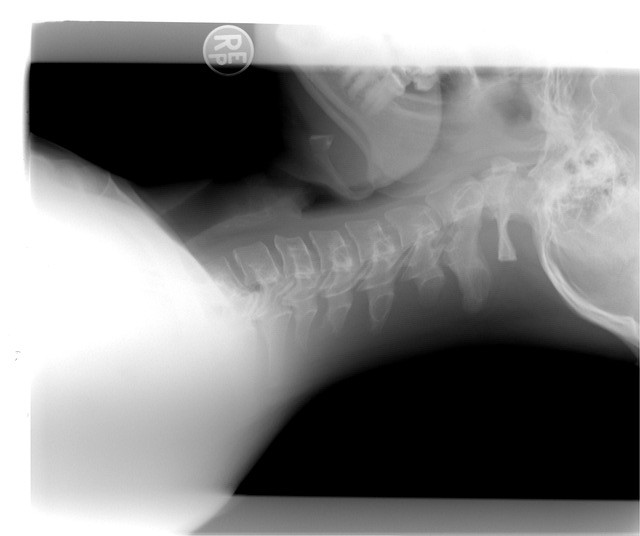
- X-rays: Provide a clear view of the spinal curve and its severity.
-
- MRI or CT scans: Used if nerve compression or other structural issues are suspected.
- Neurological evaluation: Checks for numbness, tingling, or weakness that could indicate nerve involvement.
Diagnosis helps in determining whether the curvature is within normal limits or requires medical attention.
Treatment Options
Treatment for lordosis depends on the severity, underlying cause, and presence of symptoms (3). Options may include:
- Non-surgical treatments
- Physical therapy: Strengthening core and back muscles, stretching tight muscles, and improving posture.
- Lifestyle modifications: Weight management, ergonomic adjustments at work, and regular exercise.
- Pain management: Over-the-counter pain relievers, heat/cold therapy, and anti-inflammatory medications.
- Bracing: In children or adolescents with progressive lordosis, braces may be recommended to correct spinal alignment during growth.
- Surgical treatments
Surgery is rarely required but may be necessary in severe cases where the curve is extreme, painful, or causing neurological complications. Procedures may involve spinal fusion or other corrective surgeries to stabilize the spine.
Living With or Prevention
Living with lordosis requires ongoing attention to posture, physical activity, and overall spinal health. Preventive steps and lifestyle habits can reduce progression and discomfort:
- Maintain good posture: Practice standing and sitting upright with shoulders back and spine neutral.
- Stay active: Engage in exercises such as swimming, walking, yoga, and pilates to improve flexibility and strength.
- Core strengthening: Focus on abdominal and back muscles to support the spine.
- Weight management: Maintaining a healthy weight reduces strain on the lumbar spine.
- Ergonomics: Use supportive chairs, adjust workstations, and take breaks to prevent slouching.
- Regular checkups: Early detection through routine medical evaluations helps prevent worsening of the curve.
References
- Pesenti S, Lafage R, Stein D, Elysee JC, Lenke LG, Schwab FJ, Kim HJ, Lafage V. The Amount of Proximal Lumbar Lordosis Is Related to Pelvic Incidence. Clin Orthop Relat Res. 2018 Aug;476(8):1603-1611. doi: 10.1097/CORR.0000000000000380. PMID: 29965893; PMCID: PMC6259763.
- MacConnell A, Krob J, Muriuki MG, Havey RM, Matteini L, Wojewnik B, Baksh N, Patwardhan AG. Sequential correction of sagittal vertical alignment and lumbar lordosis in adult flatback deformity. N Am Spine Soc J. 2024 Aug 6;19:100544. doi: 10.1016/j.xnsj.2024.100544. PMID: 39286294; PMCID: PMC11403053.
- Kim SH, Hahn BS, Park JY. What Affects Segmental Lordosis of the Surgical Site after Minimally Invasive Transforaminal Lumbar Interbody Fusion? Yonsei Med J. 2022 Jul;63(7):665-674. doi: 10.3349/ymj.2022.63.7.665. PMID: 35748078; PMCID: PMC9226838.