Hemarthrosis is a medical condition characterized by bleeding into a joint cavity. The term is derived from the Greek words “hemo,” meaning blood, and “arthrosis,” meaning joint. This condition is most commonly associated with the knee, but it can affect other joints such as the ankle, elbow, hip, and shoulder (1). Hemarthrosis can occur as a result of trauma, underlying medical disorders, or as a complication of certain medications. Left untreated, repeated bleeding episodes can damage joint structures, cause chronic pain, and lead to long-term disability. Understanding hemarthrosis is crucial for early intervention and effective management (1).
Symptoms
The symptoms of hemarthrosis often develop suddenly and can vary depending on the severity and underlying cause of the bleeding (2). Common signs include:
- Swelling: Rapid joint swelling caused by the accumulation of blood inside the joint capsule.
- Pain: Moderate to severe pain that worsens with movement or pressure on the affected joint.
- Warmth and redness: The joint may feel warm to the touch due to inflammation and increased blood flow.
- Stiffness and restricted movement: Limited range of motion due to swelling and pain.
- Visible bruising: In some cases, bruising around the joint may appear.
- Recurrent joint issues: In patients with clotting disorders such as hemophilia, repeated bleeding episodes can lead to chronic joint pain and deformities.
In children or individuals with bleeding disorders, hemarthrosis may present as an unexplained reluctance to use the affected limb or sudden immobility (1).
Causes
Hemarthrosis can arise from various conditions and triggers, including:
- Trauma or injury:
- Sports injuries, falls, or accidents are the most common causes. Damage to ligaments, cartilage, or blood vessels can lead to bleeding inside the joint.
- Bleeding disorders:
- Conditions such as hemophilia A or B, von Willebrand disease, or platelet dysfunction impair the body’s ability to clot, making spontaneous bleeding episodes more likely.
- Medications:
- Blood-thinning medications like warfarin, heparin, or direct oral anticoagulants can increase the risk of bleeding into joints.
- Post-surgical complications:
- Orthopedic surgeries or joint replacements sometimes lead to bleeding as a complication.
- Underlying diseases:
- Conditions like scurvy (vitamin C deficiency), synovial tumors, or vascular malformations within the joint may contribute to hemarthrosis.
Risk Factors
Several factors may increase the likelihood of developing hemarthrosis:
- Genetic bleeding disorders: Individuals with hemophilia are at the highest risk due to impaired clotting.
- High-impact sports or physical activity: Athletes involved in contact sports such as football, basketball, or wrestling are more prone to traumatic joint injuries.
- Use of anticoagulants or antiplatelet therapy: Patients on long-term blood-thinning medications are vulnerable (1).
- Previous joint injury or surgery: A weakened or surgically altered joint may bleed more easily.
- Advanced age: Older adults with fragile blood vessels or degenerative joint disease have a higher risk of bleeding episodes.
Diagnosis
Prompt diagnosis of hemarthrosis is essential to prevent long-term joint damage (2). Physicians use a combination of clinical evaluation and diagnostic tools to confirm the condition
- Medical history and physical examination
- The doctor assesses recent injuries, bleeding disorders, or medications that may increase bleeding risk.
- Joint aspiration (arthrocentesis)
- A needle is inserted into the swollen joint to withdraw fluid. The presence of blood confirms hemarthrosis.
- Imaging tests
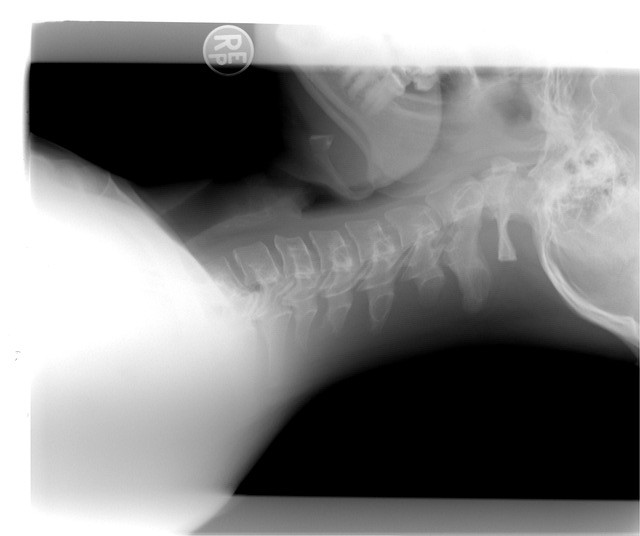
- X-rays help rule out fractures (2).
- MRI scans provide detailed images of soft tissues, ligaments, and cartilage to detect internal injuries.
- Ultrasound can quickly assess fluid accumulation within the joint.
- Blood tests
- Coagulation studies (PT, aPTT, INR) and clotting factor levels are important in identifying bleeding disorders.
Treatment Options
Treatment depends on the severity of hemarthrosis, the underlying cause, and the joint involved (3). Approaches may include:
- Initial management (RICE protocol)
- Rest, Ice, Compression, and Elevation help reduce pain and swelling in acute cases.
- Joint aspiration
- Removing excess blood with a needle relieves pressure, reduces pain, and prevents cartilage damage.
- Medications
- Pain relievers such as acetaminophen or nonsteroidal anti-inflammatory drugs (NSAIDs) may be prescribed (2).
- In bleeding disorders, clotting factor replacement therapy or desmopressin (DDAVP) is used.
- Adjusting or discontinuing blood thinners may be necessary under medical supervision.
- Immobilization
- Temporary use of braces or splints may stabilize the joint and prevent further injury.
- Surgical intervention
- In severe or recurrent cases, surgery may be required to repair damaged structures, remove synovial growths, or reconstruct the joint (3).
- Physical therapy
- Rehabilitation exercises restore strength, flexibility, and mobility while reducing the risk of stiffness or long-term disability.
Living With or Prevention
For patients with recurrent hemarthrosis, especially those with hemophilia or other bleeding disorders, long-term management is vital (4):
- Preventive treatment (prophylaxis): Regular clotting factor infusions in hemophilia patients can help prevent spontaneous bleeding episodes.
- Protective gear: Using knee pads, elbow guards, or braces during sports and physical activity reduces injury risks.
- Avoid high-risk activities: Contact sports or activities with a high risk of falls may need to be limited.
- Medication management: Patients on anticoagulants should undergo regular monitoring and dose adjustments to minimize bleeding risks.
- Joint care: Low-impact exercises such as swimming or cycling can help maintain joint health without putting undue stress on them.
- Prompt medical attention: Any unexplained joint swelling or pain in at-risk individuals should be evaluated immediately to avoid complications.
References
- Potpally N, Rodeo S, So P, Mautner K, Baria M, Malanga GA. A Review of Current Management of Knee Hemarthrosis in the Non-Hemophilic Population. Cartilage. 2021 Dec;13(1_suppl):116S-121S. doi: 10.1177/1947603520942937. Epub 2020 Jul 22. PMID: 32698601; PMCID: PMC8808899.
- Park KH, Kim DH, Jang SW, Ryu JH, Ko KY. Treatment of Recurrent Hemarthrosis Following Total Knee Arthroplasty Using Surgical Interventions. Clin Orthop Surg. 2021 Jun;13(2):152-159. doi: 10.4055/cios20066. Epub 2021 Apr 1. PMID: 34094005; PMCID: PMC8173232.
- Nagao A, Inagaki Y, Nogami K, Yamasaki N, Iwasaki F, Liu Y, Murakami Y, Ito T, Takedani H. Artificial intelligence-assisted ultrasound imaging in hemophilia: research, development, and evaluation of hemarthrosis and synovitis detection. Res Pract Thromb Haemost. 2024 May 9;8(4):102439. doi: 10.1016/j.rpth.2024.102439. PMID: 38993620; PMCID: PMC11238186.
- Sirola SM, Heikkinen J, Kerimaa P, Kariniemi J, Niinimäki T. Treating recurrent hemarthrosis after knee arthroplasty with selective embolization: a cohort study of 56 patients. Acta Orthop. 2025 Jan 9;96:33-37. doi: 10.2340/17453674.2024.42660. PMID: 39786206; PMCID: PMC11714783.