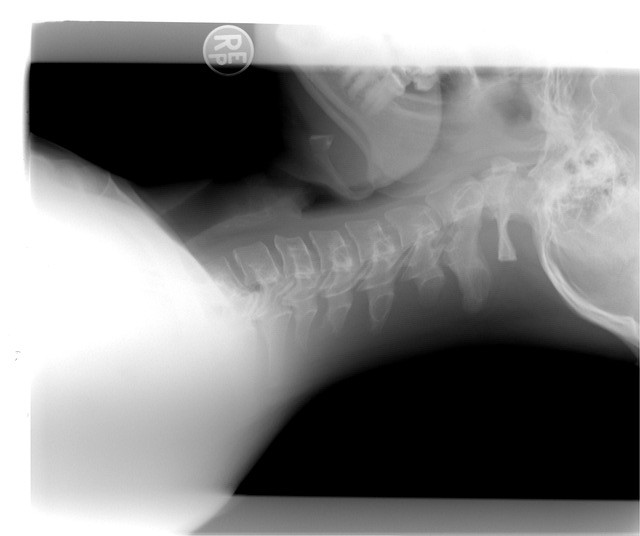
Exostosis is a medical condition characterized by the formation of abnormal bony growths on the surface of existing bones. These growths, often referred to as bone spurs, are benign but can cause significant discomfort depending on their size, shape, and location. Exostoses are typically made of normal bone tissue and may occur in various parts of the body, such as the ear canal, jaw, feet, and long bones (1). While some exostoses remain small and asymptomatic, others can grow large enough to interfere with normal movement, cause pain, or compress nearby tissues and nerves.
Exostosis can develop due to a range of factors, including genetic predisposition, chronic irritation, repeated trauma, or environmental exposure. Although the condition is generally noncancerous, in rare cases, certain types of exostoses may increase the risk of malignant transformation (1). Understanding its symptoms, causes, and treatment options is crucial for effective management.
Symptoms
The symptoms of exostosis largely depend on its location, size, and progression. In many cases, individuals may not experience any noticeable signs, and the growths may only be discovered incidentally through imaging tests (2). However, when symptomatic, exostosis may present with
- Pain or discomfort: Especially when the growth presses against muscles, tendons, or nerves.
- Restricted movement: Joint exostoses can limit mobility or cause stiffness.
- Visible or palpable lumps: In areas close to the skin, the bony growth may be noticeable.
- Swelling or inflammation: Adjacent soft tissues may become irritated.
- Hearing loss or ear discomfort: In cases of external auditory canal exostosis (often called “surfer’s ear”), abnormal growths in the ear canal can block sound waves and trap water, leading to infections.
- Difficulty wearing shoes or performing activities: When exostoses develop on the feet, they can cause pressure, corns, or calluses.
These symptoms can vary from mild to severe. In children and adolescents, exostoses associated with growth plates may present during skeletal development and become more pronounced with age (2).
Causes
The development of exostosis can be attributed to multiple factors, and its origin may differ depending on the type of exostosis (1). Some of the primary causes include
- Genetics
- Inherited conditions such as Hereditary Multiple Exostoses (HME) lead to the development of multiple bony outgrowths. This is a genetic disorder passed down in families and often diagnosed in childhood.
- Chronic irritation or trauma
- Repeated physical stress, friction, or injury to a bone can stimulate abnormal bone growth as a protective response (2).
- Environmental factors
- Prolonged exposure to cold water and wind is linked to exostosis of the external ear canal, commonly seen in surfers, divers, and swimmers.
- Abnormal bone growth regulation
- Disruptions in normal bone growth signaling pathways can lead to excessive bone formation.
- Underlying medical conditions
- Conditions such as osteoarthritis can lead to the formation of bone spurs (a type of exostosis) near joints as the body attempts to repair cartilage damage.
Risk Factors
Certain individuals may be more prone to developing exostosis due to a combination of genetic, lifestyle, and environmental influences (2). Common risk factors include
- Family history: Genetic inheritance plays a significant role in hereditary exostosis.
- Age: Many cases present during childhood or adolescence, particularly hereditary types, but trauma-induced exostoses can occur at any age.
- Repetitive exposure to cold water: Surfers, divers, and swimmers in cold climates are at higher risk of ear canal exostosis.
- Chronic joint stress: Athletes and individuals engaged in high-impact activities may be more prone to bone overgrowth.
- Underlying bone or joint conditions: Such as arthritis or skeletal deformities.
Diagnosis
Diagnosing exostosis typically involves a combination of medical history, physical examination, and imaging studies (3).
- Medical history and examination
- A doctor will review symptoms, family history, and occupational or recreational exposure. They will also physically examine any lumps or areas of discomfort.
- Imaging tests
- X-rays: The most common and effective tool for detecting bony growths and evaluating their size and location.
- CT scans or MRI: Used for more detailed visualization, particularly when growths affect soft tissues, joints, or ear canals.
- Biopsy
- In rare cases, if there is suspicion of cancerous transformation, a biopsy may be performed to analyze the tissue.
Early diagnosis is essential, particularly in hereditary multiple exostoses, as the condition can affect growth and lead to skeletal deformities (2).
Treatment Options
The treatment of exostosis depends on the severity of symptoms and the potential impact on health and quality of life. Not all cases require intervention, especially when growths are asymptomatic (3).
- Observation
- If the growth is small, painless, and not interfering with daily activities, doctors may recommend routine monitoring.
- Medications
- Over-the-counter pain relievers such as acetaminophen or nonsteroidal anti-inflammatory drugs (NSAIDs) can help manage discomfort and inflammation.
- Lifestyle modifications
- Avoiding cold-water exposure or using protective earplugs can slow the progression of ear exostoses.
- Physical therapy
- May be recommended when exostoses restrict movement or cause musculoskeletal strain.
- Surgical removal
- In cases where exostosis causes significant pain, nerve compression, deformity, or functional impairment, surgery may be necessary (2).
- Procedures vary depending on the location of the growth. For example, ear canal exostosis may require canalplasty, while skeletal exostoses may be excised through orthopedic surgery.
Living With or Prevention
For many individuals, living with exostosis requires minimal lifestyle changes, especially when the growths are mild and asymptomatic (3). However, those experiencing recurring issues may need long-term management strategies:
- Regular medical checkups: Monitoring growth progression ensures timely treatment if complications arise.
- Protective measures: Surfers and swimmers can use earplugs or hoods to prevent cold-water exposure and reduce the risk of ear canal exostosis.
- Pain management: Maintaining a healthy weight, engaging in low-impact exercises, and using supportive footwear can ease pressure on affected bones.
- Genetic counseling: Families with hereditary multiple exostoses may benefit from counseling to understand the risks and implications for future generations.
Prevention is not always possible, especially with hereditary forms, but minimizing environmental triggers and addressing early symptoms can significantly improve quality of life.
References
- Roy T, Sherry JS. Recurrence of exostosis as a result of medication-induced bruxism: case study. Can J Dent Hyg. 2024 Feb 1;58(1):64-67. PMID: 38505320; PMCID: PMC10946317.
- Guder WK, Streitbürger A, Gosheger G, Köhler M, Bachhuber D, Henrichs MP, Hardes J. Small sharp exostosis tip in solitary osteochondroma causing intermittent knee pain due to pseudoaneurysm. BMC Res Notes. 2013 Apr 10;6:142. doi: 10.1186/1756-0500-6-142. PMID: 23574747; PMCID: PMC3639921.
- Malkoc M, Korkmaz O, Keskinbora M, Seker A, Oltulu I, Bulbul AM, Say F, Cakir A. Surgical treatment of nail bed subungual exostosis. Singapore Med J. 2016 Nov;57(11):630-633. doi: 10.11622/smedj.2015180. Epub 2015 Dec 14. PMID: 26778465; PMCID: PMC5331139.