Disc herniation, often referred to as a “slipped disc” or “ruptured disc,” is a common spinal condition that occurs when the soft inner core of an intervertebral disc pushes through a crack or tear in its tougher outer layer. Intervertebral discs act as cushions between the vertebrae in the spine, absorbing shock and allowing flexibility (1). When a disc herniates, it can press on nearby nerves or the spinal cord, leading to pain, weakness, or numbness. The condition is most commonly seen in the lumbar spine (lower back), but it can also occur in the cervical (neck) or thoracic (mid-back) regions. Disc herniation affects millions worldwide and is a leading cause of back pain, limited mobility, and even disability in severe cases (1).
Symptoms
The symptoms of disc herniation can vary depending on the location of the herniated disc and whether it compresses a nerve. Some individuals may have no noticeable symptoms, while others experience severe discomfort (1). Common signs include
- Localized pain: Sharp or burning pain in the back or neck where the herniation has occurred.
- Radiating pain: Pain may extend down the arms (cervical herniation) or legs (lumbar herniation), often described as sciatica.
- Numbness and tingling: Affected nerves may cause sensations of pins and needles in the extremities.
- Muscle weakness: Herniated discs can impair nerve function, leading to weakness in the muscles served by the affected nerve.
- Reduced mobility: Stiffness and discomfort can make bending, lifting, or sitting for long periods difficult.
- Bladder or bowel dysfunction: In rare cases, a large herniation can cause cauda equina syndrome, a medical emergency requiring immediate treatment (2).
Causes
Disc herniation generally develops due to gradual, age-related changes in the discs, but sudden injury can also be a cause (3). Key contributing factors include
- Degenerative disc disease: With age, discs lose water content, making them less flexible and prone to tearing.
- Repetitive strain: Frequent lifting, twisting, or bending movements can put stress on discs.
- Injury or trauma: Sudden force from accidents or falls can cause disc rupture.
- Improper lifting technique: Lifting heavy objects incorrectly increases spinal pressure.
- Genetics: Some individuals have a genetic predisposition to weaker disc structure.
Risk Factors
Several factors increase the likelihood of developing disc herniation
- Age: Most cases occur between ages 30 and 50, when discs begin degenerating.
- Occupation: Jobs requiring heavy lifting, repetitive bending, or prolonged sitting raise risk.
- Obesity: Excess weight increases strain on the spine.
- Sedentary lifestyle: Lack of physical activity weakens muscles that support the spine (3).
- Smoking: Smoking reduces blood supply to the discs, accelerating degeneration.
- Genetics: Family history of disc problems can predispose someone to herniation.
Diagnosis
Diagnosing a herniated disc involves a combination of medical history, physical examination, and imaging tests (2).
- Medical history: Doctors ask about symptoms, their duration, and activities that worsen or relieve them.
- Physical examination: Neurological tests check reflexes, muscle strength, sensation, and mobility.
- Imaging tests:
- Magnetic Resonance Imaging (MRI): Provides detailed images of discs and nerve compression.
- Computed Tomography (CT) scan: Helpful in cases where MRI is not available or contraindicated.
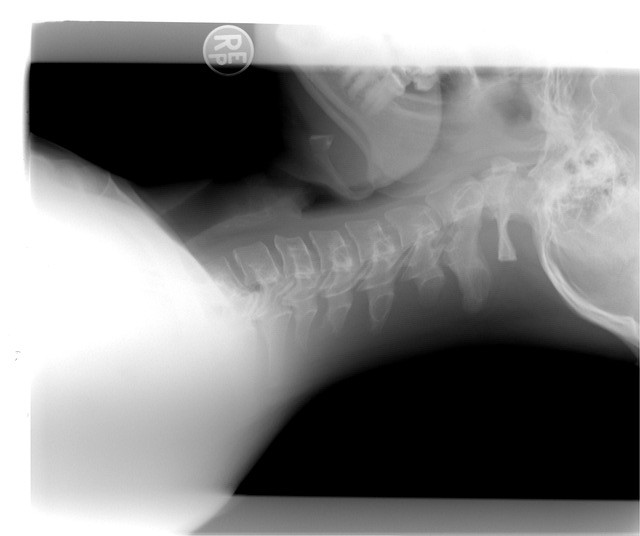
- X-rays: Rule out other conditions such as fractures, but cannot confirm disc herniation.
- Nerve tests (EMG/NCS): Measure electrical activity in nerves to determine the extent of nerve damage.
Treatment Options
Treatment for disc herniation depends on severity, symptoms, and overall health of the patient. Most cases improve with conservative care, while severe cases may require surgical intervention (2).
- Conservative (Non-surgical) Treatments
- Rest and activity modification: Short-term rest followed by gradual resumption of activity.
- Medications
- Over-the-counter pain relievers (NSAIDs such as ibuprofen or naproxen).
-
- Muscle relaxants for spasms.
- Prescription medications in severe cases.
- Physical therapy: Exercises to strengthen the core, improve flexibility, and reduce nerve pressure.
- Heat and cold therapy: Helps reduce inflammation and muscle tension.
- Epidural steroid injections: Reduce inflammation around nerves to relieve pain.
- Surgical Treatments
If symptoms persist for more than 6 to 12 weeks or if there is severe neurological impairment, surgery may be recommended (3). Options include
- Discectomy or Microdiscectomy: Removal of the herniated portion of the disc to relieve nerve pressure.
- Laminectomy: Removal of part of the vertebra to create more space for nerves.
- Spinal fusion: In cases of instability, two or more vertebrae may be fused to stabilize the spine.
- Artificial disc replacement: Replacing the damaged disc with a prosthetic one in select cases (3).
Living With or Prevention
Living with a herniated disc requires a combination of lifestyle adjustments and long-term strategies to prevent recurrence (4). Many people recover well with proper care, but prevention is key.
Lifestyle Management
- Regular exercise: Focus on low-impact activities such as swimming, walking, or cycling, along with strengthening exercises for the core.
- Maintain good posture: Proper sitting, standing, and lifting techniques reduce spinal strain.
- Weight management: Maintaining a healthy weight lessens pressure on the spine.
- Quit smoking: Improves spinal health and slows disc degeneration.
- Ergonomic adjustments: Supportive chairs, proper desk setup, and good sleeping surfaces help minimize stress on the spine.
Prevention
- Proper lifting techniques: Bend at the knees, not the waist, and keep heavy objects close to the body (4).
- Stay active: Avoid prolonged sitting or inactivity, which weakens supporting muscles.
- Stretch regularly: Keeping muscles flexible reduces the chance of injury.
References
- Zhou M, Theologis AA, O’Connell GD. Understanding the etiopathogenesis of lumbar intervertebral disc herniation: From clinical evidence to basic scientific research. JOR Spine. 2023 Oct 18;7(1):e1289. doi: 10.1002/jsp2.1289. PMID: 38222810; PMCID: PMC10782075.
- Yu P, Mao F, Chen J, Ma X, Dai Y, Liu G, Dai F, Liu J. Characteristics and mechanisms of resorption in lumbar disc herniation. Arthritis Res Ther. 2022 Aug 23;24(1):205. doi: 10.1186/s13075-022-02894-8. PMID: 35999644; PMCID: PMC9396855.
- Yu C, Zhan X, Liu C, Liao S, Xu J, Liang T, Zhang Z, Chen J. Risk Factors for Recurrent L5-S1 Disc Herniation After Percutaneous Endoscopic Transforaminal Discectomy: A Retrospective Study. Med Sci Monit. 2020 Mar 25;26:e919888. doi: 10.12659/MSM.919888. PMID: 32210223; PMCID: PMC7133417.
- Yamada K, Iwasaki N, Sudo H. Biomaterials and Cell-Based Regenerative Therapies for Intervertebral Disc Degeneration with a Focus on Biological and Biomechanical Functional Repair: Targeting Treatments for Disc Herniation. Cells. 2022 Feb 9;11(4):602. doi: 10.3390/cells11040602. PMID: 35203253; PMCID: PMC8870062.