A bone contusion, more commonly referred to as a bone bruise, is a traumatic injury to the bone that is less severe than a fracture but more serious than a soft tissue bruise (1). It involves microfractures of the trabecular (spongy) bone tissue and is usually accompanied by bleeding and swelling in the bone and surrounding soft tissue. Bone contusions can occur in any bone of the body and are frequently the result of sports injuries, falls, or direct impacts. Unlike traditional bruises, which affect the skin and soft tissue, bone contusions involve the internal structure of the bone and may take several weeks or even months to fully heal (2).
Symptoms
The symptoms of a bone contusion can vary depending on the severity and location of the injury. Common symptoms include:
- Pain: Deep, aching pain at the site of injury, which may intensify with activity or pressure.
- Swelling: Localized swelling around the injured area due to inflammation and bleeding within the bone.
- Tenderness: Sensitivity when touching or pressing the affected region.
- Stiffness or reduced range of motion: Especially if the bruise is near a joint, movement may be restricted or painful.
- Discoloration: In some cases, the skin above the contusion may show signs of bruising.
- Prolonged discomfort: Unlike soft tissue bruises that resolve in a few days, bone bruises may cause persistent discomfort lasting several weeks.
Causes
Bone contusions occur when a forceful impact compresses the bone, leading to damage within the trabecular matrix without breaking the outer cortical layer. Common causes include:
- Sports injuries: High-impact sports like football, basketball, or rugby often lead to direct blows or falls, increasing the risk of bone bruises.
- Falls: Slips or falls onto hard surfaces, particularly when landing on elbows, knees, or hips.
- Motor vehicle accidents: High-speed collisions can cause sudden and intense force on bones.
- Blunt trauma: Any direct blow or collision that doesn’t result in a fracture can still cause a contusion.
Risk Factors
Certain individuals and activities are more prone to developing bone contusions:
- Athletes: Frequent physical contact and high-intensity movement increase susceptibility.
- Older adults: Decreased bone density and balance issues make falls and injuries more likely.
- Children and adolescents: Active play and sports participation can result in bone bruises.
- Occupational hazards: Jobs involving physical labor, heavy lifting, or machinery use.
- Previous injuries: A history of joint or bone injuries may weaken the structural integrity of bones, making them more vulnerable.
Diagnosis
Diagnosing a bone contusion requires a careful clinical evaluation and imaging studies to distinguish it from more serious injuries like fractures or ligament tears. Diagnostic steps may include:
- Medical history and physical examination: A doctor will assess the mechanism of injury and palpate the area to identify pain and swelling.
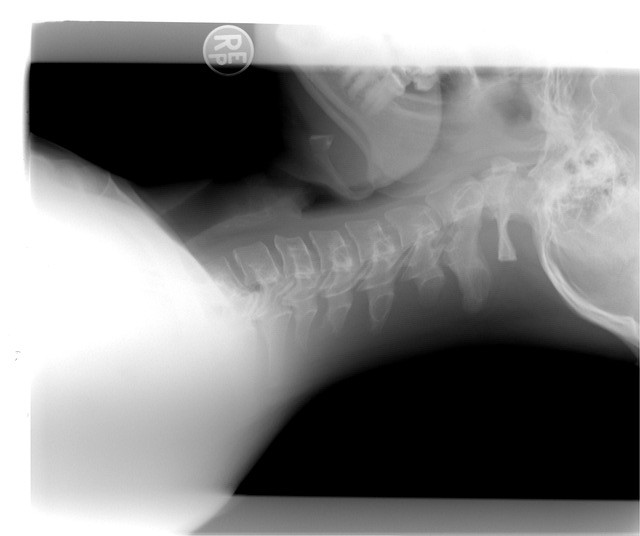
- X-rays: While useful in ruling out fractures, X-rays often do not show bone contusions.
- Magnetic Resonance Imaging (MRI): The most effective tool for diagnosing bone bruises, as it can detect changes in bone marrow and soft tissues not visible on X-rays.
- Ultrasound or CT scans: Occasionally used for additional clarity, though MRI remains the gold standard.
Treatment Options
Treatment for a bone contusion focuses on symptom relief and allowing the bone to heal naturally. Since bones heal slowly, patience and proper care are essential. Common treatment methods include (3):
- Rest: Avoiding activities that stress the affected area to prevent further damage and promote healing.
- Ice therapy: Applying ice packs for 15-20 minutes every few hours in the first 48 hours helps reduce pain and swelling.
- Compression and elevation: Wrapping the area and keeping it elevated minimizes inflammation.
- Pain management: Over-the-counter medications like acetaminophen or NSAIDs (ibuprofen, naproxen) can alleviate pain and discomfort.
- Physical therapy: Once pain subsides, guided exercises may help restore strength and range of motion, especially if a joint is involved.
- Assistive devices: Crutches, braces, or slings might be used to limit stress on the bone while it heals.
Severe contusions that compromise joint stability or accompany ligament damage may require more advanced interventions, including corticosteroid injections or surgical consultation, although surgery is rarely needed.
Living With or Prevention
Living With a Bone Contusion:
Recovery from a bone contusion can range from a few weeks to several months, depending on the severity and location of the injury. During this period (1):
- Gradual return to activity is essential. Pushing too hard, too soon, may worsen the injury.
- Pain and discomfort may linger, but usually decrease over time with proper care.
- Adhering to follow-up appointments helps monitor healing and adjust treatment as needed.
Prevention Strategies
While not all bone contusions are avoidable, several measures can reduce the risk:
- Use proper protective gear: Helmets, knee pads, and elbow pads can cushion impacts during sports or physical work.
- Safe environments: Ensure living and working spaces are free of hazards that may lead to falls or accidents.
- Proper technique: In sports and lifting activities, using correct body mechanics can reduce the chance of injury.
- Healthy lifestyle: Maintaining strong bones through a balanced diet rich in calcium and vitamin D, along with regular weight-bearing exercises, enhances bone resilience.
- Strength and flexibility training: Keeping muscles and joints strong and flexible reduces the likelihood of traumatic injury.
References
- Graf BK, Cook DA, De Smet AA, Keene JS. “Bone bruises” on magnetic resonance imaging evaluation of anterior cruciate ligament injuries. Am J Sports Med. 1993 Mar-Apr;21(2):220-3. doi: 10.1177/036354659302100210. PMID: 8465916.
- Vincken PW, Ter Braak BP, van Erkel AR, Coerkamp EG, Mallens WM, Bloem JL. Clinical consequences of bone bruise around the knee. Eur Radiol. 2006 Jan;16(1):97-107. doi: 10.1007/s00330-005-2735-8. Epub 2005 Apr 20. PMID: 15841383.
- Deangelis JP, Spindler KP. Traumatic Bone Bruises in the Athlete’s Knee. Sports Health. 2010 Sep;2(5):398-402. doi: 10.1177/1941738110377745. PMID: 23015967; PMCID: PMC3445054.