Introduction
Biceps tendinopathy is a common musculoskeletal condition that affects the tendon of the biceps muscle, particularly where it attaches at the shoulder. The biceps muscle, located at the front of the upper arm, plays an essential role in bending the elbow and rotating the forearm. Its long head tendon also contributes to shoulder stability. When this tendon becomes irritated, inflamed, or degenerative, the condition is referred to as biceps tendinopathy (1).
This condition can cause pain, weakness, and functional limitations, particularly in athletes, manual laborers, and older adults. It is often associated with repetitive overhead activities, aging, or shoulder injuries. Understanding its symptoms, causes, and management strategies is crucial for proper treatment and long-term recovery (1).
Symptoms
Biceps tendinopathy can present with a variety of symptoms depending on its severity and duration (2). Common symptoms include
- Pain in the front of the shoulder: Typically worsens with overhead activities, lifting, or pulling movements.
- Tenderness over the bicipital groove: A painful spot on the front of the upper arm where the tendon lies.
- Pain radiating down the arm: Some individuals may feel discomfort extending down to the elbow.
- Weakness: Difficulty in lifting or rotating the forearm.
- Clicking or snapping sensation: May occur if the tendon moves out of its normal position.
- Stiffness: Reduced range of motion in the shoulder due to pain and inflammation.
Symptoms often start gradually and may worsen over time, especially if the underlying cause is not addressed.
Causes
Biceps tendinopathy can develop due to multiple reasons. The most common causes include:
- Overuse injuries: Repetitive overhead motions, such as those performed in tennis, baseball, or swimming, can strain the biceps tendon.
- Aging and degeneration: As we age, tendons naturally lose elasticity and strength, making them more prone to wear and tear.
- Shoulder instability: Conditions like rotator cuff tears, labral injuries, or impingement syndrome can increase stress on the biceps tendon.
- Acute injury: Sudden trauma, such as lifting a heavy object or falling, may damage the tendon.
- Poor posture or mechanics: Slouching shoulders or improper lifting techniques can increase tension on the tendon.
In many cases, biceps tendinopathy is not caused by one single event but rather by a combination of repetitive stress and age-related changes.
Risk Factors
Several factors can increase the likelihood of developing biceps tendinopathy, including
- Age: Middle-aged and older adults are more susceptible due to tendon degeneration.
- Athletic activities: Sports involving repetitive overhead movements (baseball, volleyball, swimming) carry higher risk.
- Occupational strain: Jobs requiring heavy lifting or repetitive arm movements increase tendon stress.
- Pre-existing shoulder conditions: Rotator cuff tears, labral injuries, or arthritis may contribute.
- Poor posture: Forward head and rounded shoulder posture can alter shoulder mechanics.
- Gender: Men are slightly more likely to develop the condition, particularly athletes.
Recognizing these risk factors can help in both early identification and prevention of the condition.
Diagnosis
Accurate diagnosis of biceps tendinopathy is essential for effective management. The process usually includes:
- Medical history: The doctor will ask about symptoms, activity levels, occupation, and any previous shoulder injuries.
- Physical examination: The shoulder will be examined for tenderness, swelling, and pain during specific movements such as resisted elbow flexion or shoulder rotation.
- Special tests: Clinical tests such as Speed’s test or Yergason’s test may be performed to reproduce symptoms.
- Imaging studies:
- Ultrasound: Useful for evaluating tendon thickening or tears.
- MRI: Provides detailed images to detect inflammation, degeneration, or associated shoulder injuries.
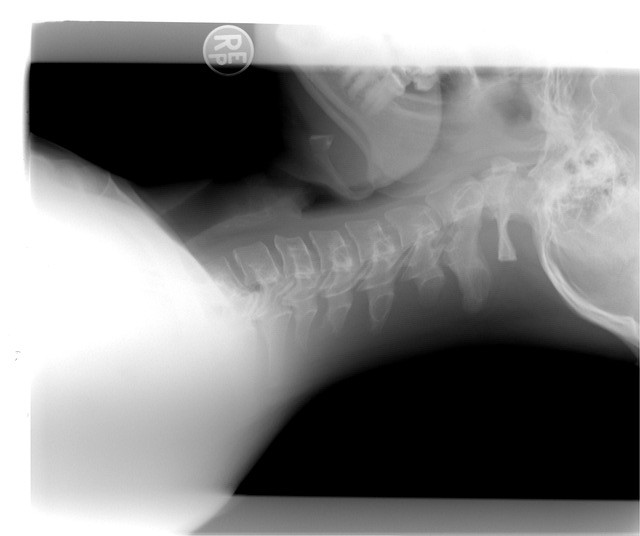
- X-rays: While not useful for visualizing tendons, they may rule out bone spurs or arthritis contributing to pain.
A proper diagnosis also helps distinguish biceps tendinopathy from other conditions like rotator cuff injuries, bursitis, or shoulder impingement (3).
Treatment Options
Treatment for biceps tendinopathy typically begins with conservative (non-surgical) measures, though surgical intervention may be necessary in severe or persistent cases (3).
Conservative Treatments
- Rest and activity modification: Avoiding overhead or aggravating movements helps reduce strain.
- Ice therapy: Applying ice packs can reduce inflammation and pain.
- Medications: Nonsteroidal anti-inflammatory drugs (NSAIDs) such as ibuprofen can help manage pain and swelling.
- Physical therapy: Tailored exercise programs focus on strengthening surrounding muscles, improving flexibility, and correcting posture.
- Corticosteroid injections: May provide temporary relief for severe pain, though repeated use is discouraged due to tendon weakening.
Surgical Treatments
If conservative treatments fail after several months, surgery may be considered. Options include
- Biceps tenotomy: Cutting the damaged tendon to relieve pain.
- Biceps tenodesis: Reattaching the tendon to a different location on the humerus to preserve function.
- Arthroscopic surgery: Often used to address associated injuries like rotator cuff tears or labral damage.
Surgical outcomes are generally positive, though rehabilitation and physiotherapy remain critical for full recovery.
Living With or Prevention
Living with biceps tendinopathy can be challenging, but most individuals improve significantly with appropriate treatment (3). Some strategies to manage and prevent recurrence include:
- Adopting proper posture: Maintaining an upright posture reduces strain on the shoulder and tendon.
- Strengthening exercises: Regularly strengthening the rotator cuff and shoulder stabilizing muscles can protect the tendon.
- Stretching: Gentle stretches for the chest, shoulders, and arms improve flexibility and reduce tightness.
- Avoiding repetitive stress: Taking breaks during activities involving overhead movements helps prevent overuse.
- Ergonomic adjustments: Modifying workplace setups to reduce repetitive arm strain.
- Gradual training progression: Athletes should increase activity intensity gradually and practice proper technique.
With proper care and preventive strategies, individuals can continue an active lifestyle while minimizing the risk of recurring symptoms.
References
- Mesiha MS, Obst SJ, Randall S, Rebar AL, Dittman CK, Heales LJ. Exploring the Beliefs, Perceptions, and Experiences of Individuals With Tendinopathy: A Systematic Review and Meta-Ethnography of Qualitative Studies. Phys Ther. 2025 Jul 1;105(7):pzaf060. doi: 10.1093/ptj/pzaf060. PMID: 40293393; PMCID: PMC12212419.
- McDevitt AW, Young JL, Cleland JA, Hiefield P, Snodgrass SJ. Physical therapy interventions used to treat individuals with biceps tendinopathy: a scoping review. Braz J Phys Ther. 2024 Jan-Feb;28(1):100586. doi: 10.1016/j.bjpt.2023.100586. Epub 2023 Dec 27. PMID: 38219522; PMCID: PMC10825607.
- Chen IW, Liao YT, Tseng H, Lin HC, Chou LW. Pain, function and peritendinous effusion improvement after dry needling in patients with long head of biceps brachii tendinopathy: a single-blind randomized clinical trial. Ann Med. 2024 Dec;56(1):2391528. doi: 10.1080/07853890.2024.2391528. Epub 2024 Aug 14. PMID: 39140690; PMCID: PMC11328602.