Costochondritis is a medical condition characterized by inflammation of the cartilage that connects the ribs to the sternum (breastbone). This junction, known as the costosternal or costochondral joint, plays an important role in stabilizing the ribcage and enabling chest expansion during breathing. When the cartilage becomes irritated or inflamed, it leads to sharp chest pain that often mimics heart-related conditions, causing significant concern for patients (1).
Although costochondritis is generally benign and not life-threatening, its symptoms can be distressing because of the similarity to cardiac chest pain. The condition can affect individuals of all ages, though it is more commonly reported in adults (2). Fortunately, with timely diagnosis and management, most people recover fully, though some may experience recurrent episodes.
Symptoms
The hallmark symptom of costochondritis is chest pain, which can vary in severity from mild discomfort to severe, stabbing pain (1). Key features include
- Location of Pain: Typically felt on the left side of the breastbone, though it may occur on either side. The pain may radiate to the back or abdomen.
- Pain Characteristics: Sharp, aching, or pressure-like pain that worsens with deep breathing, coughing, sneezing, or physical activity.
- Tenderness: Pain increases when pressing on the affected ribs or cartilage.
- Fluctuating Intensity: Symptoms may come and go, lasting for hours, days, or even weeks.
- Movement-Triggered Pain: Activities involving lifting, twisting, or upper body movement can aggravate discomfort.
In most cases, costochondritis does not cause fever, shortness of breath, or systemic symptoms. If such symptoms occur, they may indicate an alternative or coexisting condition, and urgent medical evaluation is advised (3).
Causes
The exact cause of costochondritis often remains unclear. However, several contributing factors have been identified, including
- Physical Strain: Heavy lifting, strenuous exercise, or repetitive upper-body movements can put stress on the chest wall, leading to inflammation.
- Injury or Trauma: Direct impact to the chest, such as during a fall or accident, can irritate the costochondral joints (2).
- Respiratory Infections: Viral or bacterial infections, particularly those involving persistent coughing, can strain the chest wall cartilage.
- Inflammatory Conditions: Disorders such as arthritis, ankylosing spondylitis, or fibromyalgia may predispose individuals to chest cartilage inflammation.
- Post-Surgical or Postural Strain: After chest surgery or from prolonged poor posture, excess stress on the ribcage may lead to costochondritis.
Risk Factors
Certain individuals are more likely to develop costochondritis due to lifestyle or medical predispositions (1). Risk factors include:
- Age: Adults over 40 are more frequently diagnosed, though it can affect adolescents as well.
- Gender: Women appear to be affected slightly more often than men.
- Physical Activity: Athletes or those with physically demanding jobs have a higher risk.
- Underlying Health Conditions: Autoimmune disorders and musculoskeletal conditions increase susceptibility.
- Recent Infections: Individuals recovering from severe respiratory infections are at greater risk.
- Post-Surgical Recovery: Patients who have undergone chest or upper-body surgery may develop chest wall inflammation.
Diagnosis
Diagnosing costochondritis can be challenging because its primary symptom—chest pain—closely resembles more serious conditions such as heart disease, lung disorders, or gastrointestinal problems (1). Physicians typically follow a process of elimination to reach a diagnosis. Steps may include
- Medical History and Symptom Review: The doctor assesses the onset, location, and nature of the pain, as well as activities or conditions that may aggravate it.
- Physical Examination: Tenderness when pressing on the affected rib joints strongly suggests costochondritis.
- Exclusion of Cardiac Issues: Electrocardiograms (ECG), echocardiograms, or stress tests may be performed to rule out heart disease.
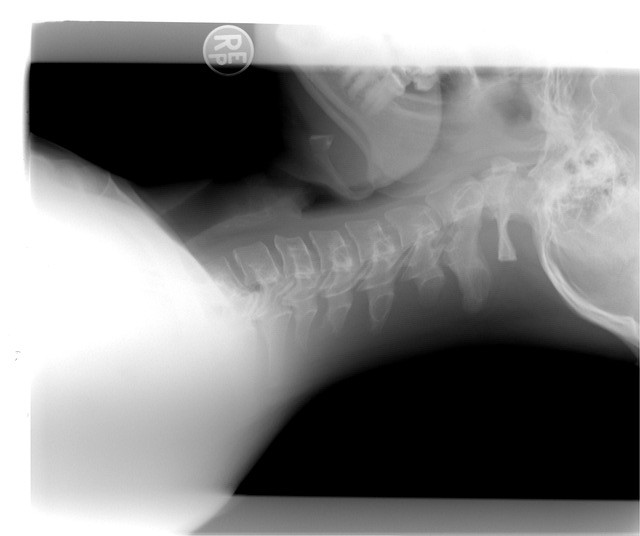
- Imaging Tests: X-rays, CT scans, or MRIs may be used if trauma or other structural abnormalities are suspected.
- Laboratory Tests: Blood work may be ordered if infection or systemic inflammation is suspected.
A clear diagnosis is essential not only to confirm costochondritis but also to rule out life-threatening conditions.
Treatment Options
The management of costochondritis focuses on reducing inflammation, alleviating pain, and improving quality of life (2). Treatment approaches include:
- Medications
- Nonsteroidal Anti-Inflammatory Drugs (NSAIDs) such as ibuprofen or naproxen help reduce pain and inflammation.
- Acetaminophen may be used as an alternative for pain relief.
- Corticosteroid Injections are sometimes administered in persistent cases where standard medications are ineffective.
- Physical Therapy
- Gentle stretching exercises, posture correction, and strengthening routines can relieve strain on the chest wall.
- Heat or ice therapy may also help reduce discomfort.
- Lifestyle Adjustments
- Limiting heavy lifting and strenuous activity until pain subsides.
- Practicing deep breathing exercises to maintain lung capacity without overstraining the chest.
- Alternative Therapies
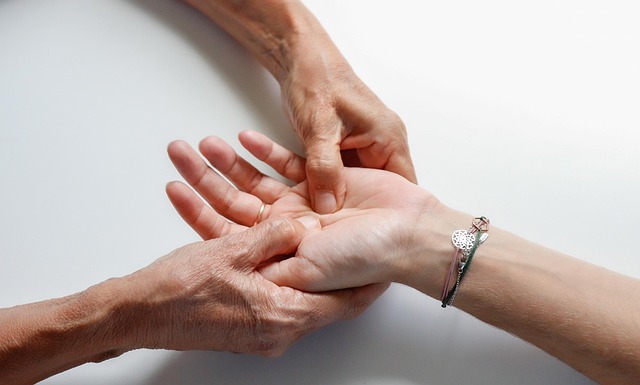
- Acupuncture, chiropractic care, or relaxation techniques may provide additional relief for some patients (2).
Most individuals recover within weeks to months, though symptoms may occasionally recur.
Living With or Prevention
Living with costochondritis can be challenging due to recurring pain episodes, but adopting certain strategies can help manage the condition and reduce recurrence (3):
- Activity Moderation: Avoiding repetitive strain or high-impact activities until symptoms resolve.
- Posture Awareness: Maintaining proper posture, especially during desk work, can minimize stress on the chest wall.
- Gradual Return to Exercise: Slowly resuming physical activity with proper warm-up and stretching helps prevent flare-ups.
- Managing Underlying Conditions: For individuals with arthritis or autoimmune diseases, effective management of the underlying disorder can reduce chest wall inflammation.
- Stress Management: Since stress and anxiety can intensify chest pain perception, relaxation techniques such as meditation or yoga may be beneficial.
While complete prevention may not always be possible, awareness of risk factors and healthy lifestyle practices can lower the chances of developing or worsening costochondritis (3).
References
- Rokicki W, Rokicki M, Rydel M. What do we know about Tietze’s syndrome? Kardiochir Torakochirurgia Pol. 2018 Sep;15(3):180-182. doi: 10.5114/kitp.2018.78443. Epub 2018 Sep 24. PMID: 30310397; PMCID: PMC6180027.
- Park J, Kim SJ, Kim H, Jung H, Shin HY. Ultrasound diagnosis and treatment of intractable anterior chest pain from golf – A case report. Anesth Pain Med (Seoul). 2023 Jan;18(1):65-69. doi: 10.17085/apm.22182. Epub 2023 Jan 16. PMID: 36746904; PMCID: PMC9902635.
- de Carvalho JF. Tietze’s Syndrome. Mediterr J Rheumatol. 2022 Dec 31;33(4):467-468. doi: 10.31138/mjr.33.4.467. PMID: 37034373; PMCID: PMC10075373.