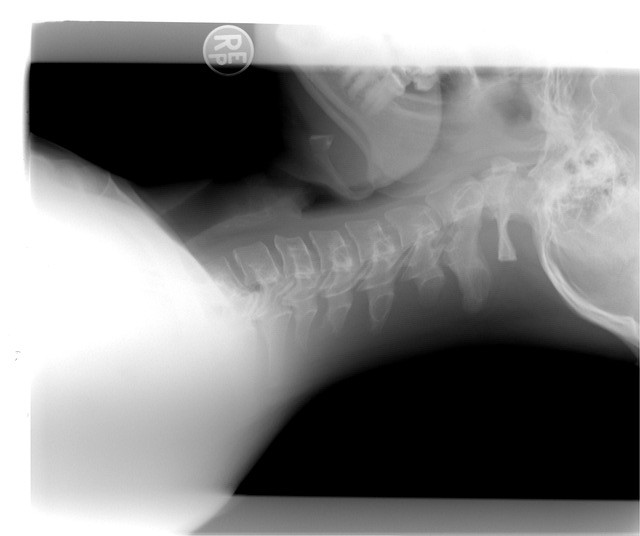
Chondrosarcoma is a rare type of cancer that develops in the cartilage, the flexible connective tissue found in joints, ribs, and the respiratory tract. Unlike more common cancers, chondrosarcoma arises from the cells that produce cartilage, making it distinct from other bone cancers such as osteosarcoma or Ewing sarcoma (1). This malignant tumor most often affects adults over the age of 40, though it can occur at any age.
Cartilage plays a critical role in cushioning bones and supporting skeletal movement, but when abnormal growth occurs, it can lead to tumors. Chondrosarcoma tends to grow slowly compared to other sarcomas, but certain aggressive subtypes can spread to other areas of the body, particularly the lungs (1). Because it is resistant to traditional treatments like chemotherapy and radiation, early detection and surgical intervention are crucial in managing this cancer.
Symptoms
The symptoms of chondrosarcoma can vary depending on the tumor’s size, location, and aggressiveness (2). In many cases, symptoms develop gradually, making early detection difficult. Common signs include
- Persistent pain: Dull, aching pain that worsens over time, often at night.
- Swelling or lump formation: A noticeable mass near a joint or bone.
- Restricted mobility: Stiffness or limited range of motion when the tumor is near a joint.
- Bone fractures: Tumors can weaken the bone, making it more prone to breaks.
- Neurological symptoms: If the tumor compresses nerves, it may cause tingling, numbness, or weakness.
Symptoms often mimic less serious conditions like arthritis or injury, leading to delayed diagnosis. Persistent, unexplained pain or swelling should be promptly evaluated by a healthcare professional.
Causes
The exact cause of chondrosarcoma is not fully understood. Like many cancers, it develops when genetic mutations disrupt normal cell growth and division. Instead of dying as they should, abnormal cartilage-producing cells continue to multiply, forming tumors (3).
Researchers believe both inherited and acquired genetic factors may contribute. In many cases, chondrosarcoma arises spontaneously without a clear trigger (1). However, it can also develop as a transformation from pre-existing benign cartilage tumors, such as
- Enchondroma: A benign cartilage tumor inside the bone.
- Osteochondroma: A benign outgrowth of cartilage and bone, often appearing during childhood or adolescence.
While not every benign tumor will progress to cancer, individuals with multiple cartilage growths may face higher risks.
Risk Factors
Several factors can increase the likelihood of developing chondrosarcoma, including:
- Age: Most cases occur in adults between 40 and 70 years old.
- Gender: Men are slightly more likely to develop the disease than women.
- Pre-existing bone conditions: Disorders like multiple enchondromatosis (Ollier disease) or hereditary multiple exostoses can raise risk.
- Genetic mutations: Certain gene alterations, including IDH1 and IDH2 mutations, have been linked to chondrosarcoma.
- Radiation exposure: Previous radiation therapy to bones can increase cancer risk, though this is rare.
Although risk factors provide clues, many patients develop chondrosarcoma without any identifiable predisposition (1).
Diagnosis
Accurate diagnosis is vital to determine the type, grade, and extent of the tumor (2). The diagnostic process typically involves:
- Medical history and physical exam: Reviewing symptoms and examining swelling or lumps.
- Imaging tests
- X-rays help identify irregular bone growth.
- MRI scans provide detailed images of soft tissue involvement.
- CT scans reveal the extent of bone destruction and tumor spread.
- Biopsy: A tissue sample is taken to confirm cancer and classify the grade. Chondrosarcomas are graded from low (slow-growing) to high (fast-growing and aggressive).
- Bone scans or PET scans: Used to detect possible metastasis, particularly to the lungs or other bones.
Because some benign tumors resemble chondrosarcoma, pathology review by an experienced bone cancer specialist is essential (3).
Treatment Options
The primary treatment for chondrosarcoma is surgery, as the cancer does not typically respond well to chemotherapy or radiation (2). Treatment strategies vary depending on tumor size, grade, and location.
- Surgery
- Wide excision: The tumor and surrounding tissue are removed to reduce recurrence risk.
- Limb-sparing surgery: Surgeons may reconstruct the affected area using bone grafts or prosthetics, preserving limb function.
- Amputation: Rarely required, but may be necessary if the tumor is extensive.
- Radiation therapy
While chondrosarcoma cells are resistant to standard radiation, advanced techniques such as proton beam therapy or stereotactic body radiation therapy (SBRT) may be used for inoperable tumors or to treat residual cancer cells after surgery (3). - Chemotherapy
Standard chemotherapy is generally ineffective for most chondrosarcomas, though certain subtypes like mesenchymal or dedifferentiated chondrosarcoma may benefit. - Targeted therapy and research
Emerging treatments focus on genetic mutations linked to the disease. Drugs targeting IDH mutations are under clinical investigation, offering potential new options for patients.
Successful treatment often requires a multidisciplinary team of orthopedic oncologists, radiologists, pathologists, and rehabilitation specialists.
Living With or Prevention
Living with chondrosarcoma can be challenging, both physically and emotionally. While there are no guaranteed preventive measures, early diagnosis and proactive management can improve outcomes (3).
Living With Chondrosarcoma
- Rehabilitation: Physical therapy helps restore mobility and strength after surgery.
- Pain management: Medications and supportive therapies reduce chronic discomfort.
- Emotional support: Counseling and support groups provide coping strategies for patients and families.
- Regular follow-ups: Routine imaging and check-ups are crucial to monitor for recurrence or metastasis.
Prevention
Since the exact cause is unclear, direct prevention is difficult (3). However, individuals with known risk factors, such as hereditary bone conditions, should undergo regular medical evaluations. Avoiding unnecessary exposure to high-dose radiation may also reduce risk.
References
- Skipar P, Dey M, Piątkowski J, Sulejczak D, Rutkowski P, Czarnecka AM. MicroRNAs as Prognostic Biomarkers and Therapeutic Targets in Chondrosarcoma. Int J Mol Sci. 2024 Mar 9;25(6):3176. doi: 10.3390/ijms25063176. PMID: 38542153; PMCID: PMC10970465.
- Gao Z, Lu T, Song H, Gao Z, Ren F, Ouyang P, Wang Y, Zhu J, Zhou S, He X. Prognostic Factors and Treatment Options for Patients with High-Grade Chondrosarcoma. Med Sci Monit. 2019 Nov 25;25:8952-8967. doi: 10.12659/MSM.917959. PMID: 31765367; PMCID: PMC6894367.
- Miwa S, Yamamoto N, Hayashi K, Takeuchi A, Igarashi K, Tsuchiya H. Therapeutic Targets and Emerging Treatments in Advanced Chondrosarcoma. Int J Mol Sci. 2022 Jan 20;23(3):1096. doi: 10.3390/ijms23031096. PMID: 35163019; PMCID: PMC8834928.