A ligament sprain is one of the most common musculoskeletal injuries affecting people of all ages and activity levels. Ligaments are strong, fibrous tissues that connect bones to other bones at joints, providing stability and guiding movement. When a ligament is stretched beyond its normal range or torn due to sudden force or trauma, it results in a sprain (1). This condition can affect any joint, but it is most frequently seen in the ankles, knees, wrists, and thumbs.
While sprains are often associated with athletes or physically active individuals, they can occur in everyday life, from stepping awkwardly off a curb to slipping on a wet surface (1). The severity of a ligament sprain ranges from mild overstretching to complete tears, significantly impacting mobility, function, and quality of life if not properly managed.
Symptoms
The symptoms of a ligament sprain vary depending on the joint affected and the extent of the injury (1). Common signs include
- Pain: Usually immediate and localized at the site of injury.
- Swelling: Caused by inflammation or bleeding within the tissue.
- Bruising or discoloration: May develop as blood vessels are damaged.
- Instability: A sensation of the joint “giving way” in moderate to severe sprains.
- Limited range of motion: Difficulty moving the joint without pain or stiffness.
- Popping sound: In some cases, a popping or snapping sound may be heard at the time of injury, particularly in more severe tears.
Symptoms typically worsen within the first 24 hours but can improve gradually with appropriate treatment. However, if left untreated, ligament sprains may lead to chronic instability and repeated injuries.
Causes
Ligament sprains usually result from sudden or excessive stress on a joint (2). Some of the common causes include
- Twisting injuries: Such as rolling the ankle while running or walking on uneven ground.
- Direct impact or trauma: A blow during contact sports or falls can overstretch or tear ligaments.
- Overuse: Repetitive stress on the joint may weaken ligaments, making them more prone to sprains.
- Improper landing: Jumping and landing awkwardly can overstretch joint ligaments.
- Sudden changes in movement: Rapid pivoting, stopping, or turning motions, particularly in sports like basketball, football, or tennis.
Risk Factors
Certain factors increase the likelihood of experiencing a ligament sprain
- Sports participation: Athletes in high-impact or contact sports face higher risks.
- Poor conditioning: Weak muscles around joints reduce protection against injury.
- Inadequate warm-up: Exercising without proper stretching and warm-up can strain ligaments.
- Previous sprains: A history of ligament injury increases the risk of recurrence due to weakened tissues.
- Improper footwear: Wearing shoes that lack proper support, particularly in high-activity environments.
- Age: Younger individuals engaged in physical activities and older adults with reduced balance or weakened ligaments are more vulnerable (1).
- Environmental hazards: Uneven surfaces, slippery floors, or unsafe sports equipment.
Diagnosis
Diagnosing a ligament sprain requires a combination of medical history, physical examination, and sometimes imaging tests (2).
- Medical history: The doctor asks about the circumstances of the injury, symptoms, and past injuries.
- Physical examination: Involves checking for swelling, tenderness, range of motion, and joint stability.
- Imaging tests –
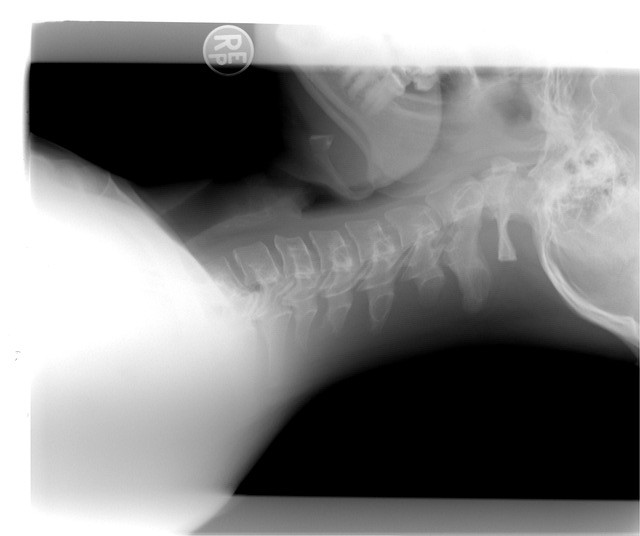
- X-rays: To rule out bone fractures that may accompany sprains.
- Magnetic Resonance Imaging (MRI): Provides detailed images of soft tissues to assess ligament damage.
- Ultrasound: Useful for visualizing ligament tears or joint movement in real time.
Sprains are often graded based on severity
- Grade I (Mild): Slight overstretching, minimal tearing, mild pain, and swelling.
- Grade II (Moderate): Partial tear, noticeable swelling, bruising, and instability.
- Grade III (Severe): Complete tear, severe pain, swelling, and significant joint instability.
Treatment Options
The treatment of ligament sprains depends on the severity of the injury and the joint involved. The primary goals are to relieve pain, restore function, and prevent further damage (2).
- First Aid – R.I.C.E. Protocol
- Rest: Avoid activities that stress the injured joint.
- Ice: Apply ice packs for 15 to 20 minutes every few hours to reduce swelling.
- Compression: Use elastic bandages or braces to limit swelling and support the joint.
- Elevation: Keep the injured joint elevated above heart level to minimize swelling.
- Medications
- Over-the-counter pain relievers such as ibuprofen or acetaminophen help manage pain and inflammation (2).
- Physical Therapy
- Strengthening and stretching exercises restore flexibility, stability, and function.
- Balance training helps prevent recurrent injuries.
- Supportive Devices
- Braces, splints, or crutches may be recommended for joint protection during recovery.
- Advanced Treatments
- Corticosteroid injections: Used rarely to control severe inflammation.
- Surgical repair or reconstruction: Necessary in severe Grade III sprains, especially when ligaments are completely torn and conservative treatments fail. Procedures may involve stitching the torn ligament or reconstructing it using grafts.
Living With or Prevention
Recovering from a ligament sprain requires patience and adherence to rehabilitation programs. Mild sprains may heal within a few weeks, while severe injuries can take several months. Proper care reduces the chances of long-term complications such as chronic pain, instability, or early-onset arthritis (3).
Tips for Living with a Sprain
- Follow the rehabilitation plan prescribed by your healthcare provider.
- Avoid returning to sports or strenuous activity too soon.
- Use supportive footwear and joint braces if recommended.
- Incorporate low-impact exercises such as swimming or cycling during recovery.
Prevention Strategies
- Warm-up and stretch before exercise or sports (3).
- Strengthen muscles around joints for better support.
- Wear appropriate footwear with good arch and ankle support.
- Practice proper techniques during sports and physical activities.
- Be cautious on uneven surfaces and avoid sudden, uncontrolled movements.
References
- Miranda FC, Kihara Filho EN, Prado MP, Rosemberg LA, Santos DDCB, Taneja AK. Acute ankle injuries: association between sprain severity and ancillary findings. Einstein (Sao Paulo). 2023 Oct 9;21:eAO0162. doi: 10.31744/einstein_journal/2023AO0162. PMID: 37820199; PMCID: PMC10519667.
- Green T, Willson G, Martin D, Fallon K. What is the quality of clinical practice guidelines for the treatment of acute lateral ankle ligament sprains in adults? A systematic review. BMC Musculoskelet Disord. 2019 Aug 31;20(1):394. doi: 10.1186/s12891-019-2750-6. PMID: 31470826; PMCID: PMC6717337.
- Kaminski TW, Needle AR, Delahunt E. Prevention of Lateral Ankle Sprains. J Athl Train. 2019 Jun;54(6):650-661. doi: 10.4085/1062-6050-487-17. Epub 2019 May 22. PMID: 31116041; PMCID: PMC6602401.