Discitis is a rare but serious medical condition characterized by inflammation of the intervertebral discs, the cushion-like structures located between the bones (vertebrae) of the spine. These discs act as shock absorbers, providing flexibility and support to the spinal column. When inflammation develops in a disc, it can lead to severe pain, restricted movement, and potentially long-term complications if left untreated (1). Discitis can occur at any age, though it is more commonly diagnosed in children and older adults. Because the intervertebral discs have a limited blood supply, infections or inflammatory processes in this region can be difficult to treat and may require prolonged medical intervention.
Understanding discitis is essential, as early diagnosis and appropriate treatment can help prevent permanent spinal damage and improve quality of life (1).
Symptoms
The symptoms of discitis can vary depending on the location and severity of the inflammation (2). Common signs include
- Severe back pain: Often localized at the site of the infection, this pain tends to worsen with movement and may not improve with rest.
- Fever and chills: In cases of infection, systemic symptoms such as fever, fatigue, and malaise are common.
- Limited mobility: Patients often experience stiffness and difficulty moving the spine. Children may refuse to walk, crawl, or sit up due to pain (1).
- Neurological symptoms: In rare cases, if inflammation spreads or causes spinal cord compression, numbness, weakness, or tingling in the limbs may occur.
- Tenderness: The spine may feel tender to the touch at the affected site.
In children, discitis may present with non-specific symptoms such as irritability, refusal to eat, or limping, making diagnosis more challenging.
Causes
Discitis most commonly arises due to an infection, although other factors may contribute:
- Bacterial infection: The majority of cases are caused by bacteria, particularly Staphylococcus aureus, which can reach the disc via the bloodstream (hematogenous spread) from another site of infection.
- Post-surgical infection: Discitis can occur as a complication after spinal surgery, especially following procedures such as discectomy or spinal fusion.
- Spread from adjacent structures: Infections in nearby tissues, such as vertebral osteomyelitis, can spread into the intervertebral disc (2).
- Non-infectious causes: In some rare instances, discitis may occur due to autoimmune or inflammatory conditions, though this is much less common than infectious causes.
Risk Factors
Several factors may increase the likelihood of developing discitis:
- Age: Young children and older adults are more susceptible.
- Recent spinal surgery or invasive procedures: Increases the risk of infection entering the disc.
- Weakened immune system: Conditions such as diabetes, HIV/AIDS, or long-term steroid use can compromise immunity (3).
- Chronic infections: Having an ongoing infection elsewhere in the body, such as a urinary tract infection or skin infection, can increase risk.
- Intravenous drug use: This can introduce bacteria into the bloodstream, potentially reaching the spine.
- Poor nutrition and chronic illness: These factors may weaken the body’s ability to fight infections.
Diagnosis
Because discitis symptoms often mimic other spinal conditions, accurate diagnosis is essential (2). The diagnostic process typically involves:
- Medical history and physical exam: A doctor will review symptoms, recent surgeries, infections, or medical conditions. Tenderness and restricted movement in the spine are often noted.
- Blood tests: Elevated white blood cell count, erythrocyte sedimentation rate (ESR), and C-reactive protein (CRP) levels often indicate infection or inflammation (2).
- Imaging tests:
- Magnetic Resonance Imaging (MRI) is the most sensitive test for detecting discitis.
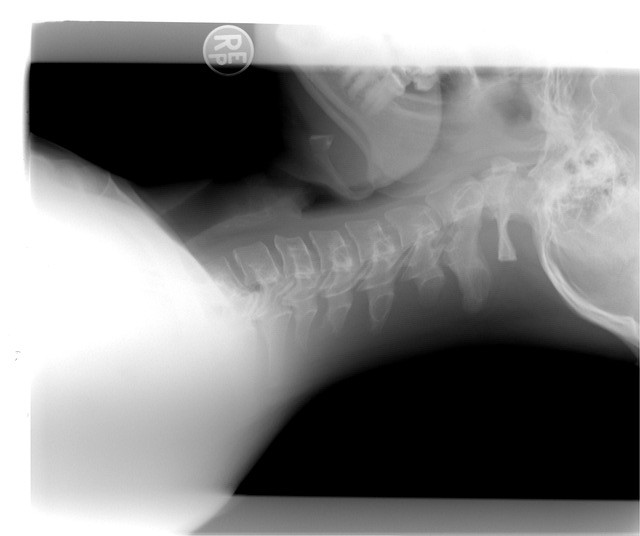
- X-rays may show changes in vertebrae, though these typically appear later in the disease.
- CT scans may be used to assess bone damage or guide biopsies.
- Disc biopsy or culture: To confirm the infectious agent, a sample of the disc may be obtained using a needle biopsy. This helps identify the bacteria and guide antibiotic therapy.
Treatment Options
Treatment for discitis depends on the cause, severity, and overall health of the patient. Common approaches include:
- Antibiotic therapy
- The mainstay of treatment for bacterial discitis is long-term antibiotic use, often administered intravenously for several weeks, followed by oral therapy.
-
- The specific antibiotic is chosen based on culture results.
- Pain management
- Nonsteroidal anti-inflammatory drugs (NSAIDs), acetaminophen, or stronger pain relievers may be prescribed.
- In some cases, muscle relaxants can help relieve associated spasms (3).
- Immobilization
- A back brace or support may be recommended to reduce movement, minimize pain, and promote healing.
- Surgery
- Surgery is reserved for severe cases, such as when an abscess forms, there is spinal instability, or neurological symptoms develop (2).
- Procedures may involve removing infected tissue, draining abscesses, or stabilizing the spine with instrumentation.
- Rehabilitation
- Physical therapy is often recommended after acute treatment to restore mobility, strengthen muscles, and prevent long-term stiffness.
Living With or Prevention
Living with discitis can be challenging, but early diagnosis and proper treatment significantly improve outcomes (3). Some steps to aid recovery and reduce the risk of recurrence include
- Adhering to treatment: Completing the full course of antibiotics and attending follow-up appointments is crucial.
- Lifestyle modifications: Maintaining a healthy diet, exercising regularly, and avoiding smoking or substance abuse can strengthen the immune system.
- Good hygiene and infection control: Treating infections promptly and practicing proper wound care after surgery can reduce risk.
- Monitoring for recurrence: Patients should remain vigilant for persistent or returning symptoms, such as back pain or fever.
- Supportive care: Emotional and physical support from family, support groups, and healthcare providers helps patients cope with long recovery periods.
While discitis cannot always be prevented, especially in cases arising from bloodstream infections, risk can be minimized by maintaining good overall health, managing chronic conditions, and reducing exposure to preventable infections (3).
References
- Principi N, Esposito S. Infectious Discitis and Spondylodiscitis in Children. Int J Mol Sci. 2016 Apr 9;17(4):539. doi: 10.3390/ijms17040539. PMID: 27070599; PMCID: PMC4848995.
- Schulze P, O’Connor C, Anand N, Wynne P. A Rare Cause of Acute Back Pain in a Young Adult: Case Report and Discussion of Calcific Discitis. J Radiol Case Rep. 2020 Oct 31;14(10):1-9. doi: 10.3941/jrcr.v14i10.3728. PMID: 33708337; PMCID: PMC7942968.
- Walters R, Rahmat R, Fraser R, Moore R. Preventing and treating discitis: cephazolin penetration in ovine lumbar intervertebral disc. Eur Spine J. 2006 Sep;15(9):1397-403. doi: 10.1007/s00586-006-0144-6. Epub 2006 Jul 8. PMID: 16830132; PMCID: PMC2438566.