Cervicalgia is the medical term for neck pain, a common condition that affects people of all ages and lifestyles. The cervical spine, consisting of seven vertebrae, muscles, ligaments, and nerves, supports the head’s weight and allows for a wide range of motion. Because of this constant movement and pressure, the neck is especially vulnerable to strain, injury, and degenerative changes. Cervicalgia is not a disease itself but rather a symptom that can arise from many underlying conditions, ranging from muscle tension and poor posture to arthritis or nerve compression (1).
Most people experience neck pain at some point in their lives. While it is often mild and temporary, in some cases, cervicalgia can become chronic and debilitating, affecting daily activities, work performance, and overall quality of life (1). Understanding its symptoms, causes, and treatment options is essential for effective management and long-term relief.
Symptoms
The primary symptom of cervicalgia is pain in the neck region, but the intensity, duration, and type of pain can vary widely (2). Symptoms may include:
- Localized pain: Aching, stiffness, or soreness in the neck.
- Radiating pain: Discomfort spreading to the shoulders, arms, or upper back.
- Muscle stiffness and tension: Difficulty turning or tilting the head.
- Headaches: Particularly tension-type headaches originating from the neck.
- Numbness or tingling: In cases where nerves are irritated or compressed.
- Reduced range of motion: Trouble moving the head freely.
- Sharp or burning pain: Often linked to nerve involvement.
In severe cases, especially when nerve compression is present, cervicalgia may also lead to weakness in the arms or hands, indicating a need for urgent medical attention.
Causes
Cervicalgia can result from various mechanical, structural, or systemic issues. Common causes include
- Poor posture: Long hours at computers or looking down at phones (“tech neck”) can strain cervical muscles.
- Muscle strain or tension: Overuse, sudden movements, or carrying heavy loads can cause muscle fatigue and pain.
- Degenerative changes: Conditions like cervical spondylosis (age-related wear and tear) or herniated discs may irritate nearby nerves (1).
- Injuries: Whiplash from accidents or sports-related trauma often triggers neck pain.
- Arthritis: Osteoarthritis or rheumatoid arthritis can affect cervical joints.
- Stress: Emotional stress can cause persistent muscle tightness.
- Underlying medical conditions: In rare cases, infections, tumors, or spinal cord issues can present as cervicalgia.
Risk Factors
Certain individuals are more likely to develop cervicalgia due to lifestyle or health conditions (1). Risk factors include:
- Age: People over 40 are more prone to degenerative neck changes.
- Occupation: Jobs involving prolonged sitting, computer work, or heavy lifting increase strain on the neck.
- Sedentary lifestyle: Lack of exercise weakens muscles, reducing neck stability.
- Repetitive movements: Athletes, drivers, and assembly-line workers often experience overuse injuries.
- Poor ergonomics: Inadequate workstation setup or improper sleeping positions contribute to chronic strain (1).
- Psychological stress: Anxiety and stress can tighten neck and shoulder muscles.
- Previous injuries: Prior trauma to the neck or spine raises the risk of recurrent pain.
Diagnosis
Diagnosing cervicalgia begins with a thorough medical history and physical examination. A doctor will assess posture, range of motion, muscle strength, and tenderness in the cervical region.
Diagnostic tools may include
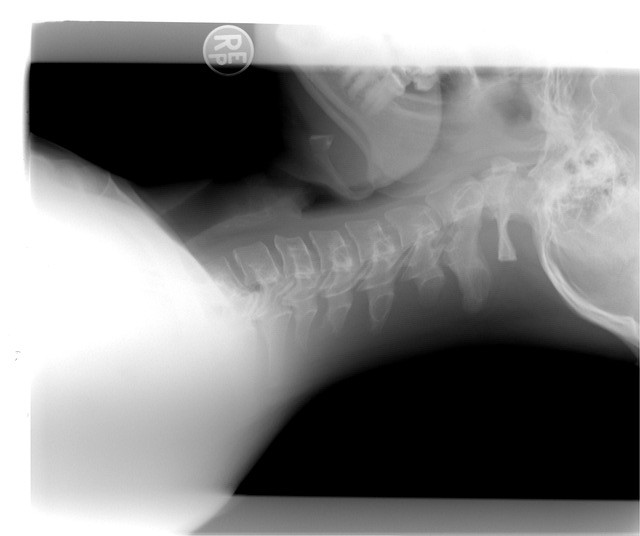
- X-rays: Useful for detecting bone abnormalities, fractures, or arthritis (2).
- MRI (Magnetic Resonance Imaging): Provides detailed images of soft tissues, discs, and nerves.
- CT scans: Helpful for identifying spinal canal narrowing or complex injuries.
- Electromyography (EMG): Measures nerve and muscle function in cases of suspected nerve compression.
- Blood tests: To rule out infections, inflammatory conditions, or autoimmune disorders.
Accurate diagnosis is essential because treatment depends on addressing the underlying cause rather than just masking symptoms.
Treatment Options
The treatment of cervicalgia varies depending on its severity and cause. Most cases improve with conservative measures, while chronic or severe conditions may require more advanced interventions (2).
- Conservative Management
- Rest and activity modification: Short-term rest and avoiding strain can ease symptoms.
- Heat or cold therapy: Ice reduces inflammation, while heat relaxes stiff muscles.
- Over-the-counter pain relief: NSAIDs (e.g., ibuprofen) or acetaminophen can reduce discomfort.
- Physical therapy: Strengthening and stretching exercises improve posture, mobility, and stability.
- Ergonomic adjustments: Proper chair support, computer screen alignment, and better sleep posture help prevent recurrence.
- Medical Interventions
- Prescription medications: Muscle relaxants or stronger pain relievers for severe cases.
- Corticosteroid injections: Reduce inflammation and nerve irritation.
- Trigger point injections: Relieve chronic muscle tension.
- Surgical Options
Surgery is rare and only recommended for serious structural issues, such as spinal cord compression, herniated discs not responding to other treatments, or severe nerve damage. Procedures may include spinal fusion or disc replacement (2).
- Complementary Therapies
- Chiropractic care: Manual adjustments can help improve mobility.
- Acupuncture: May relieve pain for some patients.
- Massage therapy: Reduces muscle stiffness and improves circulation.
Living With or Prevention
Living with cervicalgia often requires adopting a holistic approach to prevent recurrences and manage chronic pain (3). Practical strategies include
- Maintain good posture: Keep the head aligned with the spine, especially when sitting or using electronic devices.
- Stay active: Regular exercise helps strengthen the neck and back muscles.
- Stretch regularly: Gentle neck stretches reduce stiffness.
- Optimize ergonomics by using supportive chairs, adjusting desk height, and positioning screens at eye level.
- Sleep smart: Choose a supportive pillow and avoid sleeping on your stomach.
- Manage stress: Techniques such as yoga, meditation, and deep breathing reduce muscle tension.
- Take breaks: Avoid prolonged sitting; stand up, stretch, and move around every hour.
With proper care, most cases of cervicalgia can be managed effectively, allowing individuals to lead active and pain-free lives. Early intervention, lifestyle modifications, and consistent preventive strategies can reduce the risk of chronic neck pain.
References
- Kazeminasab S, Nejadghaderi SA, Amiri P, Pourfathi H, Araj-Khodaei M, Sullman MJM, Kolahi AA, Safiri S. Neck pain: global epidemiology, trends and risk factors. BMC Musculoskelet Disord. 2022 Jan 3;23(1):26. doi: 10.1186/s12891-021-04957-4. PMID: 34980079; PMCID: PMC8725362.
- Gou L, Zheng Q. How to reduce the risk of cervicalgia and low back pain in obese individuals: A mendelian randomization study. Medicine (Baltimore). 2023 May 5;102(18):e33710. doi: 10.1097/MD.0000000000033710. PMID: 37144993; PMCID: PMC10158894.
- Damm H, Jönsson A, Rosengren BE, Jehpsson L, Ohlsson C, Ribom E, Mellström D, Karlsson MK. Prevalence and morbidity of neck pain: a cross-sectional study of 3000 elderly men. J Orthop Surg Res. 2023 Jan 13;18(1):36. doi: 10.1186/s13018-023-03508-y. PMID: 36639635; PMCID: PMC9837926.