Arthrokatadysis is a rare and less commonly discussed joint-related condition characterized by the inward displacement or sinking of a joint, particularly affecting the weight-bearing areas of the body. Unlike common joint disorders such as arthritis or osteoarthritis, Arthrokatadysis involves structural and mechanical changes that alter the alignment and stability of the joint (1). This condition can significantly affect mobility, posture, and overall quality of life if not properly managed. Because of its complex ntadysis is often misdiagnosed or overlooked, making awareness and early intervention crucial.
This article provides a detailed look into the symptoms, causes, risk factors, diagnostic process, treatment options, and strategies for living with or preventing Arthrokatadysis.
Symptoms
The symptoms of Arthrokatadysis can vary depending on the severity of the condition and which joints are affected (1). Early signs may be subtle, but they tend to worsen over time. Common symptoms include
- Joint instability: Patients often feel as though the affected joint is “giving way” or unable to support weight.
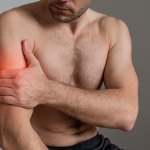
- Pain or discomfort: Persistent aching or sharp pain in the affected joint, especially during movement or weight-bearing activities.
- Restricted range of motion: Difficulty in fully extending or flexing the joint due to mechanical misalignment.
- Visible deformity or abnormal alignment: In advanced stages, the joint may appear sunken, tilted, or asymmetrical compared to the unaffected side.
- Swelling and stiffness: Chronic inflammation and pressure on surrounding soft tissues can lead to swelling and stiffness.
- Gait abnormalities: In cases affecting lower extremities like hips, knees, or ankles, patients may develop an altered walking pattern to compensate for discomfort or instability.
Symptoms usually progress gradually, but in some cases, they may worsen rapidly following trauma or repetitive stress (2).
Causes
Arthrokatadysis may arise from several underlying causes, including genetic, developmental, or acquired factors. Some of the main causes include
- Congenital abnormalities: Structural defects present at birth can predispose individuals to abnormal joint alignment and eventual Arthrokatadysis (1).
- Trauma or injury: Severe injuries such as fractures or ligament tears can alter the mechanics of a joint, leading to progressive sinking or inward displacement.
- Degenerative conditions: Chronic wear-and-tear conditions like osteoarthritis can weaken cartilage and supporting structures, contributing to misalignment.
- Inflammatory disorders: Conditions such as rheumatoid arthritis may erode bone and joint tissue, increasing susceptibility.
- Muscle or ligament weakness: Imbalances in the supporting soft tissue structures can fail to stabilize the joint, allowing inward displacement.
- Metabolic bone disorders: Conditions such as osteoporosis can reduce bone density and structural integrity, predisposing joints to collapse or deformity.
Risk Factors
Certain factors increase the likelihood of developing Arthrokatadysis (2). These include:
- Age: Older adults are at greater risk due to natural wear and degeneration of joints.
- Genetics: A family history of joint deformities or musculoskeletal disorders can increase susceptibility.
- Previous injuries: Repeated trauma or poorly healed fractures can destabilize the joint.
- Occupational strain: Jobs or activities involving repetitive heavy lifting, kneeling, or joint overuse can accelerate joint wear.
- Obesity: Excess body weight places greater mechanical stress on weight-bearing joints, making them prone to deformity.
- Chronic diseases: Autoimmune disorders or metabolic conditions like diabetes can weaken joint structures.
Diagnosis
Accurate diagnosis of Arthrokatadysis can be challenging due to its rarity and similarity to other joint conditions (1). A thorough evaluation includes
- Medical history and physical examination: A doctor reviews symptoms, injury history, and family history while physically examining joint alignment, mobility, and stability.
- Imaging studies
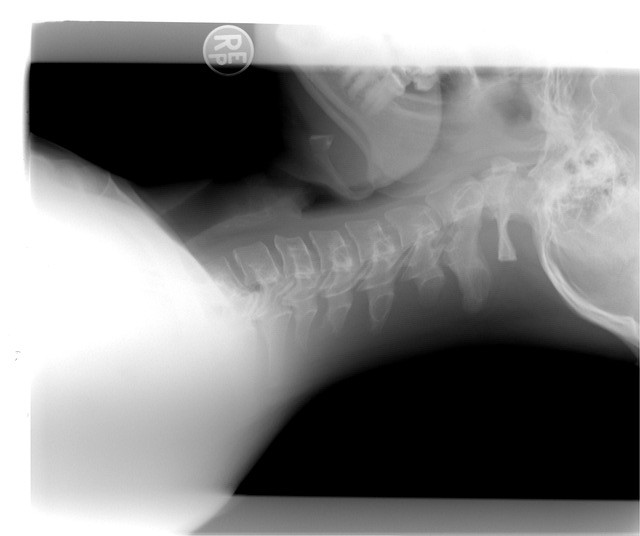
- X-rays can reveal joint misalignment, deformity, or displacement.
- MRI scans provide detailed images of soft tissues, ligaments, and cartilage to assess structural integrity.
- CT scans may be used to evaluate complex bone involvement.
- Laboratory tests: If inflammation or autoimmune causes are suspected, blood tests may be ordered to rule out related conditions (2).
- Functional assessments: Gait analysis or range-of-motion studies may be conducted to evaluate how the condition affects mobility.
Early diagnosis is essential to prevent further joint damage and to improve long-term outcomes.
Treatment Options
Treatment for Arthrokatadysis depends on the severity of symptoms, the specific joint involved, and the underlying cause. Options include:
- Conservative Management
- Physical therapy: Strengthening muscles around the joint improves stability and reduces strain.
- Bracing or orthotics: Supportive devices may help realign the joint and reduce pain during daily activities.
- Medications: Anti-inflammatory drugs, pain relievers, or corticosteroid injections can manage pain and swelling (3).
- Lifestyle modifications: Weight management, activity adjustments, and low-impact exercises such as swimming or cycling can help reduce joint stress.
- Surgical Intervention
- Joint realignment procedures: Corrective osteotomy or reconstruction may be required to restore normal joint alignment.
- Arthroscopy: Minimally invasive procedures can repair or remove damaged tissue.
- Joint replacement: In severe cases, total or partial joint replacement may be necessary to restore function and mobility.
- Complementary Approaches
Some patients find relief through acupuncture, hydrotherapy, or supportive therapies, though these should complement, not replace, medical care.
Living With or Prevention
Living with Arthrokatadysis can be challenging, but proactive strategies can improve quality of life (3):
- Early intervention: Seeking medical care at the first sign of symptoms can prevent progression.
- Regular physical activity: Low-impact exercise helps maintain joint flexibility and strength.
- Weight management: Maintaining a healthy body weight reduces pressure on joints.
- Protecting joints: Avoiding repetitive strain, wearing supportive footwear, and using assistive devices when necessary can reduce stress on vulnerable joints.
- Routine follow-ups: Regular check-ups with orthopedic specialists help monitor joint health and adjust treatment as needed.
While complete prevention may not always be possible, especially in congenital or genetic cases, adopting healthy lifestyle practices and minimizing risk factors can significantly reduce the likelihood of developing severe joint deformities.
References
- Mi Y, Cheng B. Arthrokatadysis from post-injection gluteal muscular fibrosis case report. BMC Musculoskelet Disord. 2020 Nov 14;21(1):748. doi: 10.1186/s12891-020-03766-5. PMID: 33189138; PMCID: PMC7666455.
- Wardell WH. A CASE OF UNILATERAL INTRAPELVIC PROTRUSION OF THE ACETABULUM SO-CALLED ARTHROKATADYSIS. Can Med Assoc J. 1938 Mar;38(3):267-8. PMID: 20320894; PMCID: PMC536393.
- MILLER DR, HENSLEY CD Jr, HINSHAW AH. Arthrokatadysis: report of a patient treated unsuccessfully using cup athroplasty and the Eicher femoral head prosthesis. Ann Surg. 1959 Mar;149(3):429-34. doi: 10.1097/00000658-195903000-00012. PMID: 13628000; PMCID: PMC1450991.