Introduction
Neuritis is a medical condition characterized by inflammation of a nerve or a group of nerves. This inflammation can interfere with the normal transmission of nerve signals, leading to pain, weakness, sensory disturbances, or loss of reflexes in the affected area (1). Neuritis can develop suddenly or progress gradually over time, depending on the underlying cause. While it can affect any nerve in the body, certain types are more common, such as optic neuritis (affecting the optic nerve), brachial neuritis (affecting nerves in the arm), or peripheral neuritis (affecting nerves outside the brain and spinal cord).
Because nerves play a crucial role in transmitting signals between the brain, spinal cord, and the rest of the body, neuritis can significantly impact daily functioning. Understanding its symptoms, causes, and treatment options is essential for early management and preventing long-term complications (2).
Symptoms
The symptoms of neuritis vary depending on which nerve is affected and the severity of inflammation (1). Common signs include:
- Pain: Burning, sharp, or shooting pain along the course of the nerve.
- Tingling or Numbness: Sensory disturbances such as pins-and-needles or loss of sensation.
- Weakness: Difficulty moving the muscles controlled by the affected nerve.
- Sensitivity to Touch: Even light pressure may trigger pain.
- Loss of Reflexes: Reduced or absent reflexes in the affected region.
- Vision Problems: In optic neuritis, symptoms may include blurred vision, loss of color vision, or temporary blindness in one eye.
- Muscle Atrophy: Long-term neuritis may cause wasting of muscles due to lack of nerve stimulation.
The severity of symptoms may fluctuate, and in some cases, they worsen at night or during physical activity.
Causes
Neuritis can arise from several different factors, often linked to injury, infection, or systemic diseases (2). Some of the most common causes include:
- Infections: Viral or bacterial infections, such as shingles (herpes zoster), syphilis, or Lyme disease, can trigger neuritis.
- Autoimmune Disorders: Conditions like multiple sclerosis or Guillain-Barré syndrome cause the immune system to attack nerve tissue.
- Nutritional Deficiencies: Lack of essential vitamins, especially B vitamins (B1, B6, B12), can damage nerves.
- Toxic Substances: Exposure to alcohol, heavy metals, or certain medications may cause nerve inflammation.
- Injuries or Traum: Physical damage, compression, or repetitive strain injuries can inflame nerves (2).
- Chronic Diseases: Diabetes is a leading cause of neuritis, particularly peripheral neuropathy.
- Tumors or Growths: Masses pressing on nerves may lead to inflammation.
Identifying the underlying cause is vital since it guides treatment and helps prevent recurrence.
Risk Factors
Not everyone is equally likely to develop neuritis (3). Certain factors increase the risk, including:
- Diabetes mellitus: Poorly controlled blood sugar can damage peripheral nerves.
- Autoimmune diseases: Lupus, rheumatoid arthritis, and multiple sclerosis increase susceptibility.
- Vitamin deficiencies: Especially in individuals with poor diet, chronic alcoholism, or malabsorption conditions.
- Alcohol use disorder: Excessive drinking contributes to nerve inflammation and nutrient deficiency.
- Infections: A history of viral or bacterial infections may predispose nerves to inflammation.
- Occupational or repetitive strain: Jobs involving repetitive movements or heavy lifting can irritate nerves.
- Family history: Genetic predisposition may make some individuals more vulnerable.
Being aware of these risk factors allows for preventive measures and early intervention.
Diagnosis
Diagnosing neuritis involves a combination of medical history, physical examination, and diagnostic (4) . The process usually includes:
- Clinical Examination: Checking for pain, weakness, reflexes, and sensory changes.
- Neurological Tests: Assessing coordination, balance, and nerve response.
- Blood Tests: To detect infections, autoimmune conditions, or vitamin deficiencies.
- Electromyography (EMG) and Nerve Conduction Studies: Measuring electrical activity in muscles and nerves to identify the extent of damage.
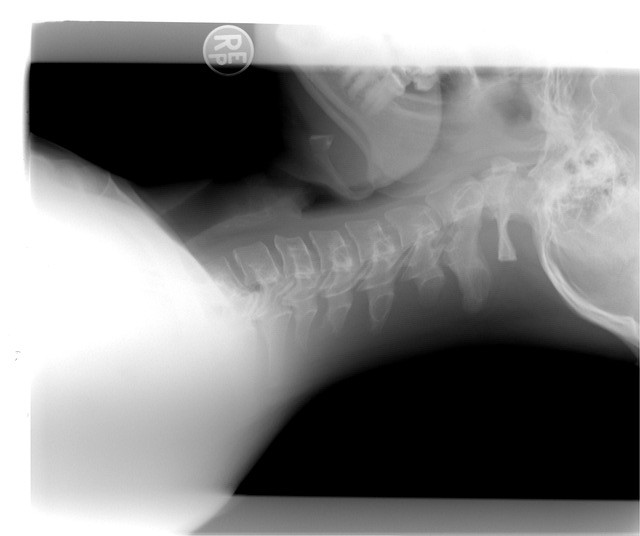
- Imaging Studies: MRI or CT scans may be used to detect structural problems, tumors, or multiple sclerosis lesions.
- Lumbar Puncture (Spinal Tap): In certain cases, cerebrospinal fluid analysis helps identify infections or autoimmune activity.
Early and accurate diagnosis is crucial for preventing irreversible nerve damage.
Treatment Options
Treatment for neuritis depends on the underlying cause, the severity of symptoms, and the nerve involved (3). Options may include
- Medications
- Anti-inflammatory drugs (NSAIDs or corticosteroids) to reduce nerve inflammation.
- Antibiotics or antivirals if infection is the cause.
- Pain management drugs such as gabapentin, pregabalin, or antidepressants for neuropathic pain.
- Vitamin supplements (B-complex vitamins) to correct deficiencies.
- Physical Therapy
Helps restore strength, improve mobility, and prevent muscle wasting. - Lifestyle Modifications
Controlling blood sugar levels, avoiding alcohol, and maintaining a balanced diet support recovery. - Surgery
In rare cases, surgical intervention may be required to relieve pressure on a nerve or remove a tumor. - Alternative Therapies
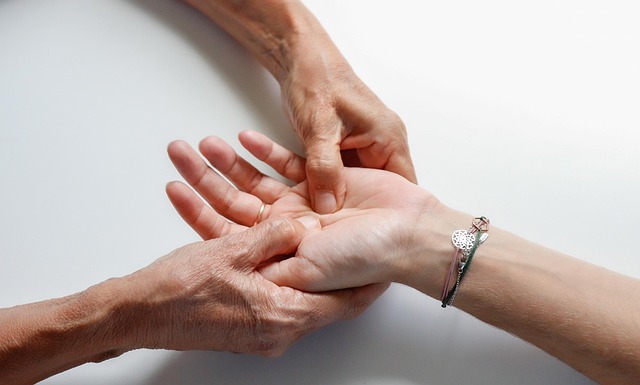
Acupuncture, massage, and relaxation techniques may provide relief, though they are best used alongside conventional treatments.
The prognosis depends on the cause and timely management. Some forms of neuritis resolve completely, while others may become chronic.
Living With or Prevention
Living with neuritis can be challenging, especially if it leads to chronic pain or mobility issues. However, several strategies can help:
- Healthy Lifestyle: Eating a nutrient-rich diet, exercising regularly, and avoiding alcohol or smoking reduce nerve stress.
- Blood Sugar Control: For people with diabetes, maintaining optimal glucose levels is essential.
- Ergonomic Adjustments: Using supportive chairs, adjusting workstations, and practicing proper posture reduce strain on nerves.
- Routine Medical Check-ups: Regular monitoring allows early detection of deficiencies, infections, or autoimmune flare-ups.
- Stress Management: Stress can worsen nerve-related symptoms; relaxation techniques such as meditation or yoga may help.
In terms of prevention, addressing underlying risk factors is key. Adequate intake of vitamins, safe workplace practices, timely treatment of infections, and managing chronic diseases can significantly reduce the likelihood of developing neuritis (4).
References
- Bennett JL. Optic Neuritis. Continuum (Minneap Minn). 2019 Oct;25(5):1236-1264. doi: 10.1212/CON.0000000000000768. PMID: 31584536; PMCID: PMC7395663.
- Musat GC, Preda MA, Tanase I, Anton AZC, Mitroi GG, Musat O, Oancea ALA, Mitroi MR. Inferior Vestibular Neuritis: Diagnostic Criteria, Clinical Features, and Prognosis-A Focused Review. Medicina (Kaunas). 2025 Feb 19;61(2):361. doi: 10.3390/medicina61020361. PMID: 40005477; PMCID: PMC11857415.
- Neuritis and Neuralgia. Hospital (Lond 1886). 1895 Mar 2;17(440):378. PMID: 29830633; PMCID: PMC5249610.
- Armato E, Dumas G, Perottino F, Casteran M, Perrin P. Determination of Recovery by Total Restitution or Compensation Using Multifrequency Vestibular Tests and Subjective Functional Scales in a Human Model of Vestibular Neuritis. Audiol Res. 2024 Nov 4;14(6):958-982. doi: 10.3390/audiolres14060080. PMID: 39585002; PMCID: PMC11587010.