Introduction
Mallet thumb, also known as baseball thumb, is a relatively uncommon injury affecting the extensor tendon of the thumb. It is closely related to the more widely known condition called mallet finger, but instead of affecting the fingers, it impacts the thumb. The injury occurs when the extensor tendon, which is responsible for straightening the thumb, is damaged due to sudden force or trauma. This often results in the inability to fully extend the tip of the thumb, leaving it bent downward (1).
Mallet thumb injuries can range from mild tendon strains to more severe cases involving small bone fractures where the tendon attaches. Although not life-threatening, this condition can significantly affect hand function, grip strength, and the ability to perform daily tasks (1). Understanding the symptoms, causes, diagnosis, and treatment is crucial for timely recovery and preventing long-term complications.
Symptoms
The hallmark symptom of mallet thumb is the inability to actively straighten the tip of the thumb (2). Other common symptoms include:
- Drooping of the thumb tip: The thumb remains in a flexed position and cannot be straightened without external support.
- Pain and tenderness: Especially around the tip or at the site of tendon injury.
- Swelling and redness: Localized inflammation may appear within hours of the injury.
- Bruising: Minor bruising may develop if the trauma was significant.
- Difficulty gripping objects: Activities that involve pinching or gripping can become challenging.
In some cases, if the injury involves a bone fracture, the pain and swelling may be more severe, and the thumb may appear deformed.
Causes
Mallet thumb usually occurs due to direct trauma to the tip of the thumb (2). Common causes include:
- Sports-related injuries: Forceful impact during activities like baseball, basketball, or cricket, where the ball strikes the thumb directly.
- Household accidents: Jamming the thumb against a hard surface or getting it caught in a door.
- Falls or sudden force: Landing on an outstretched hand with the thumb taking the impact.
- Workplace injuries: Jobs that involve heavy lifting, machinery use, or manual handling can lead to tendon stress.
The injury mechanism typically involves the thumb being forced into flexion while the extensor tendon is actively trying to extend it. This sudden overload causes the tendon to stretch, tear, or pull off a small fragment of bone.
Risk Factors
While mallet thumb can happen to anyone, certain risk factors increase the likelihood of injury
- Active participation in sports: Particularly ball-related sports where fingers and thumbs are prone to direct impact (2).
- Occupational hazards: Construction workers, athletes, and manual laborers are at greater risk.
- Previous thumb or hand injuries: Weak or previously damaged tendons are more susceptible.
- Age-related tendon degeneration: Tendons lose elasticity and strength with age, increasing vulnerability.
- Insufficient protective gear: Athletes who don’t use proper gloves or protective equipment may be at higher risk.
Diagnosis
Diagnosing mallet thumb typically involves a physical examination and imaging tests. A doctor, usually an orthopedic or hand specialist, will assess the thumb by asking the patient to extend it actively. Inability to do so indicates tendon injury (2).
- Clinical Examination: The doctor observes drooping of the thumb, swelling, and tenderness.
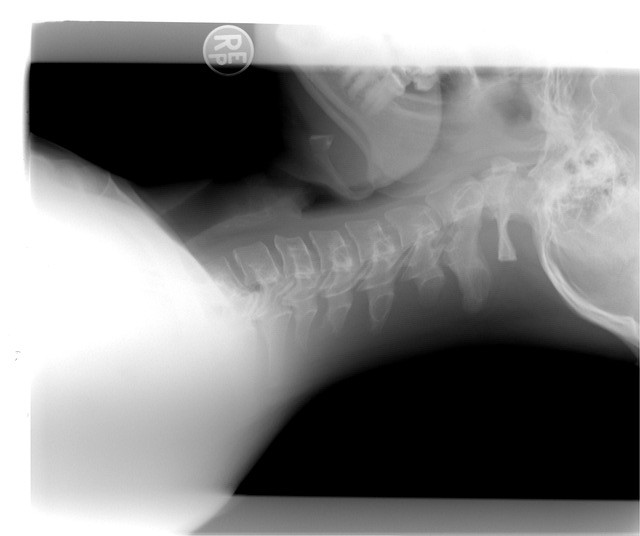
- X-rays: Used to check for avulsion fractures, where a piece of bone has been pulled away with the tendon.
- MRI or Ultrasound: Rarely required, but can help in evaluating soft tissue damage if the diagnosis is uncertain.
Early diagnosis is vital, as untreated mallet thumb can lead to permanent deformity, stiffness, or arthritis in the thumb joint.
Treatment Options
Treatment for mallet thumb depends on the severity of the injury and whether bone involvement is present (3). Options include
- Non-Surgical Treatment
- Splinting: The most common treatment involves wearing a specialized thumb splint that keeps the tip straight and immobilized. This allows the tendon or bone to heal.
- Duration: Splints are usually worn for 6–8 weeks continuously, followed by intermittent use for several more weeks.
- Pain management: Over-the-counter pain relievers and ice application help reduce discomfort and swelling.
- Hand therapy: After splinting, gentle exercises restore mobility and strength.
- Surgical Treatment
Surgery is considered when
- A large bone fragment is displaced.
- The joint alignment is disrupted.
- Conservative treatment fails.
Surgical methods may include
- Tendon repair or reattachment: Suturing the torn tendon back in place (3).
- Pinning or fixation: Using small pins, screws, or wires to stabilize bone fragments.
- Reconstruction: In rare cases, tendon grafting may be required.
Post-surgery, rehabilitation with hand therapy is essential to regain full thumb function (3).
Living With or Prevention
Mallet thumb can be frustrating, especially since splinting requires constant adherence for weeks. Living with this injury requires patience, consistency, and protection of the healing tendon (3). Some tips include
- Adhering to splint use: Even removing the splint briefly can disrupt healing and delay recovery.
- Avoiding heavy use: Until fully healed, avoid activities that put stress on the thumb.
- Performing prescribed exercises: After healing, gentle exercises prevent stiffness and restore strength.
- Protecting the thumb during sports: Use protective gloves or taping methods to minimize risk.
- Maintaining tendon health: Adequate nutrition, hydration, and avoiding repetitive stress help reduce vulnerability.
Prevention Strategies
- Use proper technique: Athletes should learn correct catching or ball-handling techniques.
- Protective gear: Gloves, guards, or supports can significantly reduce injury risk.
- Strengthening exercises: Building hand and forearm strength improves tendon resilience.
- Awareness: Avoiding situations where the thumb is likely to jam or hyperflex can prevent injury.
References
- Mergoum A, Larson N, Kulesza K, Kasprzak V, Smith J. Tendon and ligament injuries of the finger and thumb in athletes: a narrative review. BMJ Open Sport Exerc Med. 2025 Jun 12;11(2):e002475. doi: 10.1136/bmjsem-2025-002475. PMID: 40520026; PMCID: PMC12164644.
- Sumeeth P, Reddy HS, Alva A. Closed Mallet Thumb Injury-A Rare Case Report. J Orthop Case Rep. 2023 Nov;13(11):80-83. doi: 10.13107/jocr.2023.v13.i11.4014. PMID: 38025373; PMCID: PMC10664214.
- Kastenberger T, Kaiser P, Benedikt S, Stock K, Eigl M, Schmidle G, Arora R. Surgical treatment of the bony mallet thumb: a case series and literature review. Arch Orthop Trauma Surg. 2022 May;142(5):887-900. doi: 10.1007/s00402-021-04333-w. Epub 2022 Jan 15. PMID: 35032189; PMCID: PMC8994723.