Introduction
An avulsion fracture is a type of injury where a small piece of bone is pulled away from the main part of the bone by the force of a tendon or ligament. This occurs when the muscle or connective tissue exerts a sudden, powerful pull on the bone, often during intense physical activity, accidents, or trauma. Although avulsion fractures can occur in anyone, they are most commonly seen in athletes, children, and adolescents due to their active lifestyles and developing skeletal structures (1).
While many avulsion fractures are minor and heal without surgery, some can be more severe and require medical intervention. Recognizing the symptoms and seeking timely diagnosis and treatment is essential for proper recovery and to avoid long-term complications.
Symptoms
The symptoms of an avulsion fracture can vary depending on the location and severity of the injury, but the most common include:
- Sudden, sharp pain at the site of the injury, often at the moment of trauma.
- Swelling and tenderness around the affected area.
- Bruising or discoloration of the skin near the fracture site.
- Limited range of motion in the affected joint or limb.
- Inability to bear weight or use the injured part effectively, particularly if the fracture is in the leg, foot, or hip.
- Visible deformity occurs in rare, severe cases where the bone fragment is significantly displaced.
Because these symptoms may mimic those of sprains, strains, or dislocations, proper medical evaluation is crucial for an accurate diagnosis (1).
Causes
Avulsion fractures occur when excessive force is applied to a tendon or ligament, causing it to pull away from the bone and take a piece of bone with it (2). The most common causes include:
- Sports injuries: Sudden movements like sprinting, jumping, or changing directions quickly can place stress on bones and tendons. Sports such as soccer, basketball, gymnastics, and football often contribute to avulsion fractures.
- Accidents or falls: A slip, trip, or fall can result in the sudden force needed to cause this type of fracture.
- Repetitive stress: Overuse of certain muscles or joints can lead to stress on tendons and increase the risk of avulsion fractures.
- Trauma: High-impact incidents such as car accidents or collisions during contact sports can cause severe avulsion fractures.
Risk Factors
Certain factors increase the likelihood of experiencing an avulsion fracture (2):
- Age: Children and adolescents are more prone because their bones are still developing, and growth plates are weaker compared to muscles and tendons.
- Athletic activities: Athletes, especially those involved in high-impact or high-intensity sports, are at greater risk.
- Improper warm-up or training techniques: Not stretching or conditioning properly before physical activity increases susceptibility to injury.
- Previous injuries: Individuals with a history of fractures, sprains, or ligament injuries are more vulnerable.
- Bone health conditions: Osteoporosis or other conditions that weaken bones increase the risk of fractures, including avulsion fractures.
- Sudden increases in activity level: Transitioning too quickly into intense physical activity without proper conditioning can overload muscles and bones.
Diagnosis
A healthcare provider will perform a thorough physical examination and may ask about the injury’s cause, onset, and symptoms. Diagnostic methods include (3):
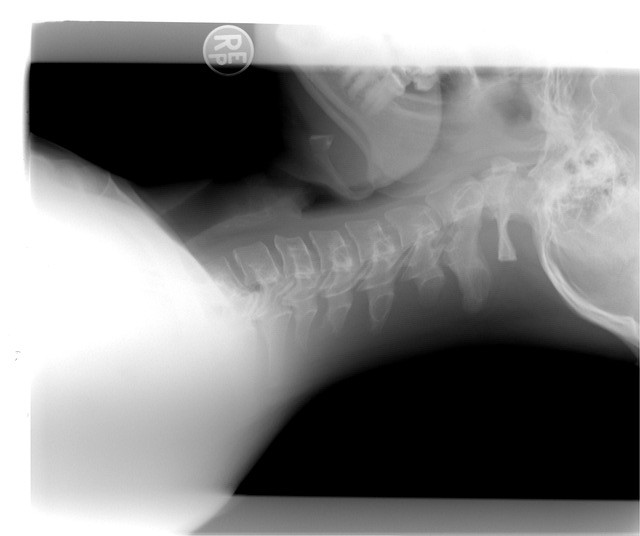
- X-rays: The primary imaging technique to confirm the presence of a bone fragment and determine the severity of displacement.
- MRI (Magnetic Resonance Imaging): Useful for evaluating soft tissue injuries, such as ligament or tendon damage associated with the fracture.
- CT scans: Occasionally used for complex cases to provide a detailed view of the bone structure.
- Ultrasound: May help in identifying associated tendon injuries or swelling.
Accurate diagnosis ensures the best treatment plan and helps avoid complications like chronic pain, improper healing, or reduced mobility (3).
Treatment Options
The treatment of an avulsion fracture depends on the location, size of the bone fragment, and the severity of displacement (3). Options include:
- Non-Surgical Treatment
Most avulsion fractures heal without surgery. Common methods include:
- Rest: Avoiding activities that stress the injured area.
- Ice therapy: Applying ice packs to reduce pain and swelling.
- Immobilization: Using casts, splints, or braces to keep the bone fragment in place during healing.
- Medication: Over-the-counter pain relievers or anti-inflammatory drugs help manage pain and swelling.
- Physical therapy: Once healing begins, guided exercises improve strength, flexibility, and range of motion.
- Surgical Treatment
Surgery is required in severe cases, especially when the bone fragment is significantly displaced or when tendons and ligaments are severely damaged. Procedures may involve:
- Internal fixation: Using screws, wires, or pins to secure the bone fragment back into place.
- Reconstruction: Repairing or reattaching torn tendons and ligaments if necessary.
Recovery time varies depending on the severity of the fracture and treatment method, but generally ranges from a few weeks to several months (3).
Living With or Prevention
Living with an avulsion fracture can be challenging, but proper care and rehabilitation significantly improve outcomes. Patients should follow medical advice, attend physical therapy sessions, and gradually return to regular activities to prevent re-injury.
Tips for Living With an Avulsion Fracture:
- Follow weight-bearing restrictions: Avoid putting pressure on the injured limb until cleared by a doctor.
- Commit to physical therapy: Exercises prescribed by a therapist restore strength and function.
- Monitor symptoms: Report persistent pain, swelling, or stiffness to a healthcare provider.
Prevention Strategies:
While not all avulsion fractures are preventable, the risk can be reduced with proper care:
- Warm up and stretch before physical activity to prepare muscles and tendons.
- Use proper techniques in sports and exercise to avoid undue stress on bones and joints.
- Increase activity gradually rather than suddenly engaging in intense workouts.
- Wear appropriate footwear and protective gear to support joints and prevent falls.
- Maintain strong bones through a balanced diet rich in calcium and vitamin D, along with regular weight-bearing exercises.
References
- Gopinatth V, Mameri ES, Casanova FJ, Khan ZA, Jackson GR, McCormick JR, Brophy RH, Knapik DM, LaPrade RF, Chahla J. Systematic Review and Meta-analysis of Clinical Outcomes After Management of Posterior Cruciate Ligament Tibial Avulsion Fractures. Orthop J Sports Med. 2023 Sep 15;11(9):23259671231188383. doi: 10.1177/23259671231188383. PMID: 37724253; PMCID: PMC10505349.
- Takakura Y, Yamaguchi S, Akagi R, Kamegaya M, Kimura S, Tanaka H, Yasui T. Diagnosis of avulsion fractures of the distal fibula after lateral ankle sprain in children: a diagnostic accuracy study comparing ultrasonography with radiography. BMC Musculoskelet Disord. 2020 Apr 28;21(1):276. doi: 10.1186/s12891-020-03287-1. PMID: 32345266; PMCID: PMC7189593.
- Shota M, Tachibana T, Iseki T. Avulsion fracture of the calcaneal tuberosity treated with novel surgical technique using the combination of the side-locking loop suture technique and ring pins: a case report. J Surg Case Rep. 2023 Apr 26;2023(4):rjad173. doi: 10.1093/jscr/rjad173. PMID: 37124579; PMCID: PMC10132948.