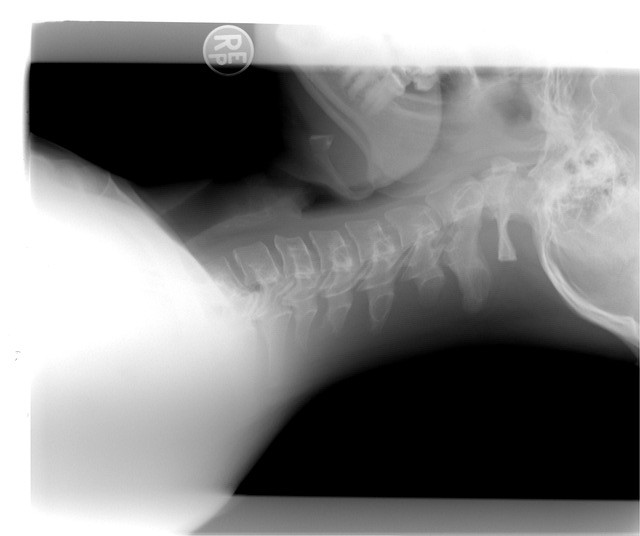
Acrania is a rare and severe congenital disorder that occurs during the early stages of fetal development. It is characterized by the partial or complete absence of the flat bones of the skull, leaving the brain unprotected. Because of this absence, the developing brain is exposed to amniotic fluid, which interferes with normal brain development. Acrania is considered a fatal condition, as it usually progresses to anencephaly, a state in which a large part of the brain and skull do not form (1).
This condition is detected during pregnancy, often through routine ultrasounds, and it presents significant emotional and medical challenges for expecting parents. While Acrania is extremely rare, understanding its symptoms, causes, risk factors, diagnosis, and management options is crucial for both healthcare providers and families.
Symptoms
Since Acrania occurs very early in embryonic development, usually within the first few weeks after conception, the symptoms are primarily observed in the fetus rather than the mother (2). Common symptoms and features include:
- Absence of skull bones: The flat bones that normally protect the brain do not develop.
- Abnormal brain development: The brain may appear malformed due to exposure to amniotic fluid.
- Facial abnormalities: The upper part of the face and skull may appear irregular during an ultrasound.
- Progression to anencephaly: In most cases, Acrania leads to severe neural defects, resulting in anencephaly by the end of the first trimester.
For the mother, there are typically no direct physical symptoms linked to Acrania. However, routine prenatal checkups may reveal abnormal test results, such as irregular alpha-fetoprotein (AFP) levels, which indicate the presence of neural tube defects in the fetus.
Causes
The exact cause of Acrania is not fully understood, but it is closely associated with neural tube defects (NTDs). The neural tube is an embryonic structure that later develops into the brain and spinal cord. When the neural tube fails to close properly during the third to fourth week of pregnancy, it can lead to Acrania (2).
Possible contributing causes include
- Genetic factors: Mutations or inherited conditions may interfere with normal skull formation.
- Folic acid deficiency: Low levels of folate during early pregnancy are strongly linked to neural tube defects.
- Environmental factors: Exposure to toxins, radiation, or harmful substances may contribute.
- Maternal health conditions: Uncontrolled diabetes, obesity, or infections during pregnancy can increase risk.
Although the exact biological mechanisms remain unclear, Acrania is considered a multifactorial condition involving both genetic predisposition and environmental triggers (2).
Risk Factors
Several factors may increase the likelihood of a pregnancy being affected by Acrania:
- Family history: Parents who have had a child with Acrania, anencephaly, or another neural tube defect are at higher risk in future pregnancies (3).
- Folic acid deficiency: Inadequate folic acid intake before conception and in early pregnancy is a leading risk factor.
- Maternal obesity: Excess weight before and during pregnancy has been linked to a higher risk of NTDs.
- Diabetes: Poorly controlled maternal diabetes increases the risk of congenital anomalies, including Acrania.
- Certain medications: Drugs that interfere with folate metabolism, such as some anticonvulsants, may contribute.
- Environmental exposures: High exposure to harmful substances, such as alcohol, certain chemicals, or radiation, may increase the likelihood of neural tube defects.
Diagnosis
Acrania is typically diagnosed during early pregnancy through a combination of screening tests and imaging techniques (3):
- Ultrasound: The most reliable method of diagnosis. By the 11th–14th week of pregnancy, ultrasound imaging can clearly show the absence of skull bones and abnormal brain development.
- Maternal serum screening: Elevated levels of alpha-fetoprotein (AFP) in maternal blood can indicate a neural tube defect.
- Amniocentesis: This test measures AFP and acetylcholinesterase levels in amniotic fluid, confirming the presence of NTDs.
- Advanced imaging: In some cases, fetal MRI may be used to provide a detailed view of cranial and brain structures.
Early detection allows parents and healthcare providers to make informed decisions about pregnancy management.
Treatment Options
Unfortunately, Acrania is considered a fatal congenital disorder, and there are currently no curative treatments (3). Most affected fetuses either do not survive pregnancy or die shortly after birth. However, medical support focuses on:
- Prenatal counseling: Parents receive compassionate guidance and counseling about the condition, prognosis, and available options.
- Pregnancy management: Depending on local laws, parents may choose to continue or terminate the pregnancy after diagnosis.
- Supportive care: If the pregnancy is carried to term, supportive medical care is provided to the newborn, though survival is usually only for a few hours or days.
Research into neural tube defects is ongoing, but at present, no surgical or medical intervention can reverse Acrania.
Living With or Prevention
Since Acrania is not compatible with life, the focus is less on “living with” and more on prevention and emotional support (4).
Prevention
The most effective way to reduce the risk of Acrania is through preventive measures
- Folic acid supplementation: Women of childbearing age are advised to take 400–800 micrograms of folic acid daily before conception and during early pregnancy. This significantly lowers the risk of neural tube defects.
- Preconception care: Managing chronic health conditions like diabetes and achieving a healthy weight before pregnancy reduces risk.
- Avoiding harmful exposures: Limiting exposure to radiation, alcohol, and harmful medications during pregnancy can help.
- Genetic counseling: Families with a history of Acrania or related neural tube defects may benefit from genetic counseling before planning future pregnancies.
Emotional and Psychological Support
Parents who receive a diagnosis of Acrania face overwhelming grief and emotional distress. Psychological counseling, support groups, and compassionate healthcare guidance are essential for coping. Grieving families often find comfort in connecting with others who have gone through similar experiences (4).
References
- Rai S, Leydier L, Sharma S, Katwala J, Sahu A. A quest for genetic causes underlying signaling pathways associated with neural tube defects. Front Pediatr. 2023 May 22;11:1126209. doi: 10.3389/fped.2023.1126209. PMID: 37284286; PMCID: PMC10241075.
- Engelhardt DM, Martyr CA, Niswander L. Pathogenesis of neural tube defects: The regulation and disruption of cellular processes underlying neural tube closure. WIREs Mech Dis. 2022 Sep;14(5):e1559. doi: 10.1002/wsbm.1559. Epub 2022 May 3. PMID: 35504597; PMCID: PMC9605354.
- Tesfay N, Hailu G, Habtetsion M, Woldeyohannes F. Birth prevalence and risk factors of neural tube defects in Ethiopia: a systematic review and meta-analysis. BMJ Open. 2023 Nov 7;13(11):e077685. doi: 10.1136/bmjopen-2023-077685. PMID: 37940152; PMCID: PMC10632862.
- Zhou Y, Crider KS, Yeung LF, Rose CE, Li Z, Berry RJ, Li S, Moore CA. Periconceptional folic acid use prevents both rare and common neural tube defects in China. Birth Defects Res. 2022 Mar;114(5-6):184-196. doi: 10.1002/bdr2.1983. Epub 2022 Jan 31. PMID: 35098705; PMCID: PMC11091954.