Ilio-pectineal bursitis, also known as iliopsoas bursitis, is a relatively uncommon but painful condition affecting the hip region. It involves inflammation of the iliopectineal bursa, a fluid-filled sac located between the iliopsoas muscle and the hip joint capsule. This bursa functions as a cushion to reduce friction during hip movement. When inflamed, it can cause significant discomfort, limited mobility, and even mimic other hip joint pathologies such as arthritis or labral tears (1).
The condition is more frequently observed in athletes, especially runners and individuals who perform repetitive hip flexion movements. However, it can also affect sedentary individuals, especially those with underlying musculoskeletal issues. Prompt diagnosis and appropriate treatment are essential to alleviate symptoms and restore normal function.
Symptoms
Ilio-pectineal bursitis typically presents with the following symptoms
- Groin pain: This is the most prominent symptom. The pain may radiate to the front of the thigh and worsen with activity, especially climbing stairs, running, or rising from a seated position.
- Hip stiffness: Patients often experience tightness in the front of the hip, especially after prolonged sitting.
- Clicking or snapping sensation: Some individuals report a snapping sensation in the hip, particularly during walking or hip flexion.
- Swelling or tenderness: In some cases, swelling may be visible or palpated in the groin area.
- Decreased range of motion: Flexion and internal rotation of the hip can become limited due to pain and inflammation.
These symptoms may develop gradually or acutely, depending on the underlying cause of the bursitis (2).
Causes
Ilio-pectineal bursitis can result from a variety of causes, including
- Overuse or repetitive strain: Continuous hip flexion, common in runners, dancers, or athletes, can irritate the bursa and lead to inflammation.
- Trauma or injury: A direct blow to the hip or groin region can inflame the bursa.
- Hip joint disorders: Conditions like osteoarthritis, rheumatoid arthritis, or hip labral tears can contribute to secondary bursitis.
- Muscle imbalances or poor biomechanics: Uneven stress on the hip muscles can lead to friction and bursa irritation.
- Post-surgical complications: In some cases, iliopectineal bursitis may occur after hip replacement or other pelvic surgeries due to changes in joint mechanics.
Risk Factors
Certain factors increase the likelihood of developing ilio-pectineal bursitis
- Athletic activity: Particularly in sports that require frequent hip flexion, like running, soccer, or cycling (2).
- Age: Middle-aged and older adults are more prone due to wear-and-tear on joints and muscles.
- Muscle tightness: Tight iliopsoas or quadriceps muscles increase tension around the bursa.
- Leg length discrepancy: Unequal leg lengths can alter gait and cause bursal irritation.
- Previous hip injuries: Individuals with a history of hip trauma or surgery are at higher risk.
- Poor posture: Habitual poor posture can lead to altered hip mechanics and strain on the bursa.
Understanding these risk factors can help in early identification and preventive strategies.
Diagnosis
Diagnosis of ilio-pectineal bursitis involves a comprehensive clinical evaluation and may include imaging studies (3). Steps include
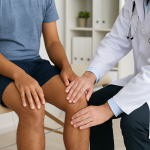
- Physical Examination: The healthcare provider will assess hip range of motion, tenderness in the groin area, and any reproduction of pain with specific movements like resisted hip flexion.
- Medical History: Understanding the patient’s activity level, prior injuries, and symptom onset aids in identifying the cause.
- Imaging
- Ultrasound: Useful for detecting bursal swelling or fluid accumulation.
- MRI: Provides detailed images of soft tissues and can differentiate bursitis from other conditions like tendonitis or labral tears.
- X-ray: While not diagnostic for bursitis, it helps rule out bony abnormalities or arthritis.
In some cases, diagnostic injections with anesthetics into the bursa may help confirm the diagnosis if symptoms are temporarily relieved.
Treatment Options
Treatment for ilio-pectineal bursitis focuses on reducing inflammation, relieving pain, and restoring function (3). Options include
- Conservative Management
- Rest: Avoid activities that aggravate symptoms.
- Ice Therapy: Applying ice packs for 15–20 minutes several times a day can reduce inflammation.
- Nonsteroidal Anti-Inflammatory Drugs (NSAIDs): Medications like ibuprofen or naproxen help control pain and swelling.
- Physical Therapy: Tailored exercises to stretch and strengthen the hip flexors, core, and gluteal muscles. Manual therapy techniques and postural correction are also beneficial.
- Activity Modification: Adjusting training regimens and using proper techniques during physical activity.
- Injections
- Corticosteroid Injections: Injecting a steroid directly into the bursa can provide significant pain relief, especially in persistent cases.
- Aspiration
- If the bursa is significantly swollen, fluid aspiration may be performed to relieve pressure and confirm the diagnosis.
- Surgery
- Reserved for severe, chronic cases unresponsive to other treatments. Surgical removal of the bursa (bursectomy) or release of the iliopsoas tendon may be considered.
Living With or Prevention
Living with ilio-pectineal bursitis can be manageable with the right approach. Most patients recover fully with conservative treatment. However, to prevent recurrence or manage chronic cases, the following strategies are helpful
- Regular Stretching: Especially of the iliopsoas, quadriceps, and hip flexors to maintain flexibility.
- Strength Training: Building strength in the core and hip muscles improves joint stability.
- Ergonomic Adjustments: Proper posture while sitting or exercising reduces hip strain.
- Gradual Activity Progression: Slowly increasing intensity and duration of workouts helps prevent overuse injuries.
- Proper Footwear: Supportive shoes help maintain proper alignment during movement.
- Weight Management: Maintaining a healthy weight reduces stress on the hip joint.
With early intervention and adherence to rehabilitation protocols, most individuals can return to normal activity without long-term complications (3).
References
- Renström P, Peterson L. Groin injuries in athletes. Br J Sports Med. 1980 Mar;14(1):30-6. doi: 10.1136/bjsm.14.1.30. PMID: 7378668; PMCID: PMC1858784.
- Gatch WD, Green WT. Cysts of the ilio-psoas bursa. Ann Surg. 1925 Aug;82(2):277-85. doi: 10.1097/00000658-192508000-00015. PMID: 17865314; PMCID: PMC1400120.
- Atkinson-Graham M, Brunton G, Cancelliere C, Corso M, de Zoete A, Rubinstein SM, Murnaghan K, Mior S. Care at a distance: Understanding lived experiences of people with MSK disorders receiving non-pharmacological interventions delivered through synchronous telehealth: A systematic rapid review. Digit Health. 2024 Mar 15;10:20552076241236573. doi: 10.1177/20552076241236573. PMID: 38495858; PMCID: PMC10943750.