Kashin‑Beck disease (KBD) is a chronic, degenerative osteoarticular disorder primarily affecting children and adolescents in specific endemic areas of Asia, particularly in parts of China, North Korea, and Siberia. The disease is characterized by the necrosis of cartilage in the growth plates and articular surfaces of bones, leading to joint deformities, restricted mobility, and in severe cases, dwarfism. Named after the Russian doctors who first described it Kashin and Beck this condition represents a major public health challenge in affected regions, often associated with environmental and nutritional factors.
Unlike many musculoskeletal disorders, KBD has a distinct geographical and socioeconomic pattern, making its prevention and management both complex and multifactorial. The onset usually occurs between the ages of 5 and 13, coinciding with crucial stages of skeletal development.
Symptoms
The clinical manifestations of Kashin‑Beck disease vary depending on the severity and stage of the condition. Early symptoms are often subtle and may include
- Joint stiffness, particularly in the fingers, wrists, elbows, knees, and ankles
- Pain and swelling in the affected joints
- Fatigue and weakness, especially after physical activity
- Delayed physical development and growth retardation
As the disease progresses, more noticeable and debilitating symptoms emerge:
- Joint deformities and enlargement
- Restricted range of motion and joint contractures
- Shortened stature (dwarfism) due to premature closure of growth plates
- Muscle atrophy around affected joints
- Gait abnormalities and difficulty with daily tasks like walking or grasping objects
The deformities are often symmetrical and predominantly affect the limbs, causing significant functional impairment and a reduced quality of life.
Causes
The exact etiology of Kashin‑Beck disease remains unclear, but it is believed to result from a combination of environmental, nutritional, and possibly genetic factors. Three primary hypotheses dominate scientific thought
- Selenium Deficiency: Selenium is a trace element essential for the function of various antioxidant enzymes. A deficiency may lead to increased oxidative stress and damage to cartilage cells (chondrocytes), contributing to the development of KBD.
- Mycotoxins from Contaminated Grains: Studies suggest that grains stored in damp conditions, particularly barley and wheat, may become contaminated with mycotoxins such as T-2 toxin, which are toxic to cartilage cells.
- Humic Substances in Drinking Water: Some research implicates high concentrations of fulvic and humic acids in drinking water as contributing factors. These organic substances may have cytotoxic effects on cartilage when consumed over time.
It is likely that these factors act in combination, rather than in isolation, to cause the disease in genetically or nutritionally susceptible individuals.
Risk Factors
Several risk factors increase the likelihood of developing Kashin‑Beck disease
- Geographic Location: Living in endemic regions, particularly the KBD belt across central and northeastern China, is the strongest risk factor.
- Nutritional Deficiencies: Inadequate intake of selenium, iodine, zinc, and protein exacerbates the risk.
- Poor Socioeconomic Conditions: Poverty limits access to diverse diets, clean water, and healthcare services, making children in underdeveloped areas more vulnerable.
- Contaminated Food and Water: Consumption of moldy cereals or drinking water with high humic acid content is closely associated with the onset of the disease.
- Genetic Susceptibility: Although no specific gene has been definitively linked to KBD, familial clustering in some communities suggests a possible hereditary component.
Diagnosis
Diagnosing Kashin‑Beck disease relies on a combination of clinical, radiological, and epidemiological criteria. Key steps in the diagnostic process include
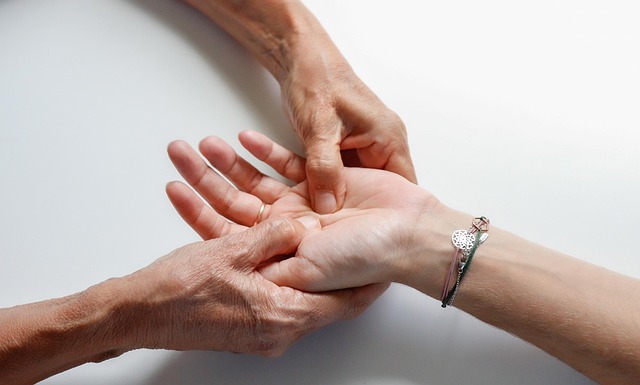
- Clinical Examination: Evaluation of joint pain, stiffness, deformity, and growth delay. A symmetrical pattern of joint involvement, especially in the fingers, is a hallmark.
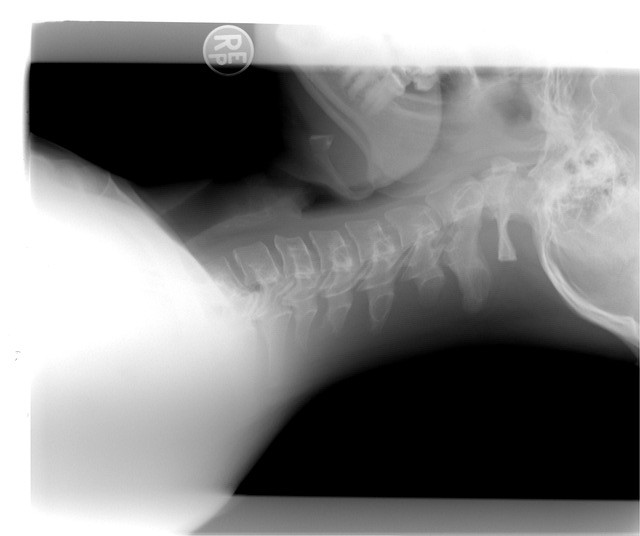
- Radiographic Imaging: X-rays typically show irregularities in the growth plates, such as metaphyseal cupping, sclerosis, and joint space narrowing. Bone deformities and epiphyseal necrosis are also common.
- Geographic Context: Residency in or travel to endemic areas supports the diagnosis.
- Exclusion of Other Conditions: Diseases such as juvenile idiopathic arthritis, rickets, and osteochondrosis must be ruled out.
In some cases, laboratory tests may be conducted to evaluate selenium levels or detect exposure to mycotoxins, though these are not always definitive.
Treatment Options
There is no known cure for Kashin‑Beck disease, but several treatment strategies aim to manage symptoms, slow progression, and improve the patient’s quality of life.
Nutritional Supplementation
- Selenium supplements are widely used in endemic areas to combat deficiency.
- Multivitamins and protein-rich diets support overall health and growth.
Orthopedic Management
- Physical therapy helps maintain joint mobility and muscle strength.
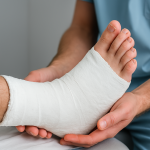
- Orthotic devices may support deformed joints or correct gait abnormalities.
- In severe cases, corrective surgery or joint replacement may be necessary.
Environmental Interventions
- Improving food storage practices to avoid mold contamination.
- Providing clean, filtered drinking water with reduced humic substances.
Community Health Programs
- Public health initiatives in China have included relocating populations from high-risk areas and providing fortified food supplies.
Living With or Prevention
Living with Kashin‑Beck disease can be physically and emotionally challenging. Children and adolescents with severe deformities often face social stigma, educational disruption, and limited employment opportunities later in life. Coping strategies include
- Regular Physical Therapy: To maintain functional independence
- Psychological Support: Counseling may help manage the emotional impact
- Community Support Programs: These can foster inclusion and provide vocational training
Preventive strategies focus largely on environmental and nutritional interventions
- Selenium Enrichment: Soil and grain fortification programs have proven successful in reducing new cases.
- Food Safety Education: Teaching communities how to properly store and prepare grains can mitigate mycotoxin exposure.
- Water Purification: Technologies to remove humic substances from drinking water can significantly reduce environmental risk.
Long-term, multi-pronged public health efforts have led to a noticeable decline in KBD incidence in several previously high-prevalence areas. However, continued vigilance is required to maintain and build upon these gains.
References
- Qi F, Cui SL, Zhang B, Li HN, Yu J. A study on atypical Kashin-Beck disease: an endemic ankle arthritis. J Orthop Surg Res. 2023 May 2;18(1):328. doi: 10.1186/s13018-023-03633-8. Erratum in: J Orthop Surg Res. 2023 May 23;18(1):379. doi: 10.1186/s13018-023-03860-z. PMID: 37127661; PMCID: PMC10152785.
- Lian W, Liu H, Song Q, Liu YQ, Sun LY, Deng Q, Wang SP, Cao YH, Zhang XY, Jiang YY, Lv HY, Duan LB, Yu J. Prevalence of hand osteoarthritis and knee osteoarthritis in Kashin-Beck disease endemic areas and non Kashin-Beck disease endemic areas: A status survey. PLoS One. 2018 Jan 10;13(1):e0190505. doi: 10.1371/journal.pone.0190505. PMID: 29320581; PMCID: PMC5761882.
- Cheng B, Wu C, Wei W, Niu H, Wen Y, Li C, Chen P, Chang H, Yang Z, Zhang F. Identification of cell-specific epigenetic patterns associated with chondroitin sulfate treatment response in an endemic arthritis, Kashin-Beck disease. Bone Joint Res. 2024 May 17;13(5):237-246. doi: 10.1302/2046-3758.135.BJR-2023-0271.R1. PMID: 38754865; PMCID: PMC11098597.