A pathologic fracture is a break in a bone that occurs in an area weakened by another disease or condition. Unlike typical fractures that result from a significant trauma or injury, pathologic fractures happen with minimal or no trauma due to the compromised structural integrity of the bone (1). This type of fracture is not a disease in itself but a consequence of underlying pathologies that impair the bone’s strength and durability. Pathologic fractures can affect people of all ages, but they are more common in older adults or individuals with chronic medical conditions that affect bone metabolism or structure (1).
The causes of bone weakening that lead to pathologic fractures include conditions such as osteoporosis, metastatic cancer, primary bone tumors, and certain infections. These fractures most commonly occur in the spine, hip, wrist, and long bones such as the femur and humerus.
Symptoms
The symptoms of a pathologic fracture can vary depending on the location and the underlying cause (2). However, common signs and symptoms include
- Sudden onset of pain in the bone with little or no trauma
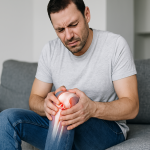
- Swelling and tenderness around the affected area
- Visible deformity or abnormal angulation of the bone
- Limited range of motion or inability to bear weight
- Warmth or redness over the area if infection is involved
- Chronic pain that may precede the fracture, especially in cases of tumors or cancer metastasis
In some instances, the fracture may go unnoticed initially, particularly in the vertebrae, where it may present as progressive back pain or loss of height over time (2).
Causes
Pathologic fractures are caused by a variety of diseases that weaken the bone matrix, including
- Osteoporosis: The most common cause, especially in postmenopausal women and older adults, where decreased bone density leads to fragile bones (1).
- Bone tumors: Both benign (like bone cysts) and malignant (like osteosarcoma) tumors can erode the bone.
- Metastatic cancer: Cancers from the breast, prostate, thyroid, lung, or kidney often spread to bones, making them prone to fracture (2).
- Infections: Osteomyelitis or other bone infections can deteriorate bone tissue.
- Genetic disorders: Conditions like osteogenesis imperfecta cause fragile bones from birth.
- Paget’s disease of bone: Abnormal bone remodeling can lead to structurally unsound bones.
Risk Factors
Several risk factors increase the likelihood of developing a pathologic fracture
- Advanced age: Aging leads to natural bone density loss and higher incidence of chronic diseases.
- Postmenopausal status in women: Hormonal changes can lead to significant bone loss (3).
- History of cancer: Especially cancers known to metastasize to bone.
- Long-term corticosteroid use: These medications reduce bone density over time.
- Chronic illnesses: Such as rheumatoid arthritis, kidney disease, or endocrine disorders.
- Immobility or sedentary lifestyle: Reduces bone stimulation and can promote bone thinning.
Diagnosis
Timely diagnosis is crucial to manage pathologic fractures effectively. The diagnostic process typically involves
- Medical History and Physical Exam: The doctor will assess for trauma, pre-existing conditions, medication use, and symptoms (3).
- Imaging Studies:
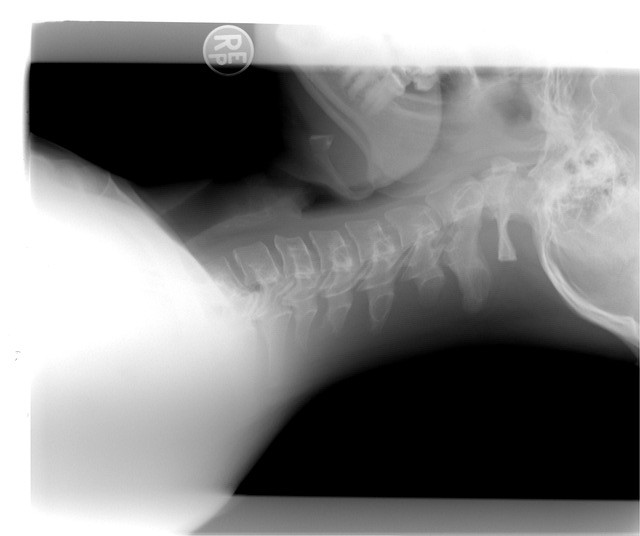
- X-rays: To confirm the fracture and assess bone quality.
- MRI or CT scans: To evaluate soft tissue involvement and identify tumors or infections.
- Bone scan: Useful for detecting cancer metastasis or widespread bone involvement.
- Blood Tests: To detect underlying metabolic or infectious causes.
- Biopsy: In cases where a tumor is suspected, a bone biopsy may be necessary to determine malignancy.
Early identification of the underlying cause is essential not only for fracture treatment but also for preventing further bone damage (3).
Treatment Options
Treatment of a pathologic fracture focuses on two aspects: healing the fracture and addressing the underlying condition (2).
Fracture Management
- Immobilization: Casting or splinting may be used for minor fractures.
- Surgical Intervention
- Internal fixation (plates, rods, screws) is often necessary due to poor bone quality.
- Joint replacement (hip or shoulder) may be considered in severely damaged joints.
- Bone cement or vertebroplasty: Used in spinal fractures for stabilization.
- Pain Management: Analgesics, including NSAIDs or opioids for severe pain (2).
Treatment of Underlying Condition
- Osteoporosis: Calcium, vitamin D, bisphosphonates, and lifestyle changes.
- Cancer: Chemotherapy, radiation, or surgical removal of bone tumors.
- Infections: Long-term antibiotics or surgical debridement.
- Hormonal therapies: In endocrine-related bone loss.
A multidisciplinary team approach, often involving orthopedic surgeons, oncologists, endocrinologists, and physiotherapists, ensures comprehensive care (3).
Living With or Prevention
Living With a Pathologic Fracture
Recovery depends on the fracture site, patient’s overall health, and the underlying condition. Rehabilitation through physical therapy helps restore mobility and function. Patients may need assistive devices during recovery and ongoing management of chronic conditions to prevent recurrence (3).
Prevention Strategies
While not all pathologic fractures can be prevented, especially those caused by cancer, certain strategies help reduce risk
- Maintain bone health: Adequate intake of calcium and vitamin D.
- Weight-bearing exercises: Strengthens bones and improves balance.
- Regular screenings: Bone density testing for at-risk populations.
- Treat underlying diseases: Early and effective management of osteoporosis, infections, or chronic illnesses.
- Lifestyle modifications: Quitting smoking, limiting alcohol, and ensuring home safety to prevent falls.
References
- Gonzalez MR, Bedi A, Karczewski D, Lozano-Calderon SA. Are Pathologic Fractures in Patients With Osteosarcoma Associated With Worse Survival Outcomes? A Systematic Review and Meta-analysis. Clin Orthop Relat Res. 2023 Dec 1;481(12):2433-2443. doi: 10.1097/CORR.0000000000002687. Epub 2023 May 12. PMID: 37184541; PMCID: PMC10642876.
- Zhong W, Wu Z, Yuan Y, Luo W. Meta-analysis of the prognosis after surgical treatment of osteosarcoma complicated by pathologic fracture. Am J Transl Res. 2022 Apr 15;14(4):2580-2592. PMID: 35559384; PMCID: PMC9091088.
- Sund A, Dybvik E, Gjertsen JE. Orthopaedic surgeons’ ability to detect pathologic hip fractures: review of 1484 fractures reported to the Norwegian Hip Fracture Register. J Orthop Surg Res. 2023 Nov 4;18(1):832. doi: 10.1186/s13018-023-04336-w. PMID: 37925444; PMCID: PMC10625282.