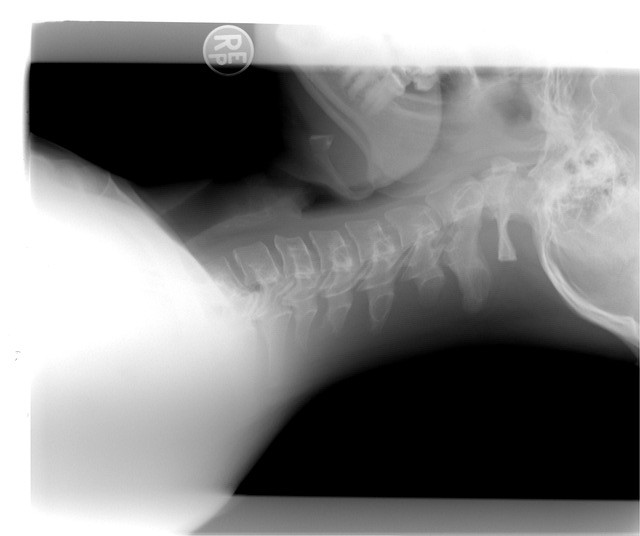
Upper Cross Syndrome (UCS) is a common musculoskeletal imbalance that affects the upper body, particularly the neck, shoulders, and chest. It occurs due to poor posture and repetitive stress, often resulting from modern lifestyles that involve prolonged sitting and extensive use of computers or smartphones (1). The syndrome is named for the “cross” pattern of muscular imbalance tightness in the upper trapezius and levator scapulae (back of the neck and shoulders) and pectoral muscles (chest), combined with weakness in the deep neck flexors and lower trapezius and serratus anterior (mid-back and shoulder stabilizers) (1).
UCS not only affects posture but also leads to discomfort, reduced mobility, and increased risk of injury. It is frequently seen in office workers, students, drivers, and others who spend significant time in forward head or slouched positions (2).
Symptoms
The symptoms of Upper Cross Syndrome can vary in intensity and may develop gradually over time (3). Common signs and symptoms include
- Poor Posture: Forward head posture, rounded shoulders, and a hunched upper back are hallmark signs.
- Neck Pain: Persistent stiffness, tightness, or aching in the neck and upper back regions.
- Headaches: Tension headaches resulting from strain in the cervical and upper back muscles.
- Shoulder Pain or Impingement: Limited shoulder range of motion and pain due to altered biomechanics.
- Muscle Imbalances: Noticeable tightness in the chest and back of the neck, with weakness in the deep neck flexors and mid-back muscles.
- Reduced Mobility and Flexibility: Difficulty in moving the head or lifting the arms freely.
- Fatigue: Muscle fatigue due to poor posture and continuous strain.
Left unaddressed, these symptoms can become chronic, affecting work performance and quality of life.
Causes
The primary cause of Upper Cross Syndrome is postural imbalance, often resulting from
- Prolonged Sitting: Spending long hours sitting with a rounded back and slouched shoulders places abnormal stress on upper body muscles (3).
- Use of Technology: Staring down at phones or leaning forward toward computer screens encourages poor neck and shoulder alignment.
- Lack of Physical Activity: Sedentary lifestyles lead to weakened postural muscles.
- Improper Exercise Techniques: Overemphasis on chest or shoulder workouts without balancing exercises for the back can exacerbate muscle imbalances.
- Occupational Habits: Jobs requiring repetitive forward head posture (e.g., dentists, hairdressers, drivers) increase the risk.
Over time, these factors cause certain muscle groups to become chronically tight, while others become weak and underused, leading to the characteristic “crossed” muscle pattern.
Risk Factors
While anyone can develop UCS, several factors increase susceptibility
- Age: Middle-aged adults and older individuals may be more prone due to cumulative postural stress.
- Occupation: Desk jobs, computer work, driving, and other static postures contribute significantly.
- Sedentary Lifestyle: Lack of movement weakens stabilizing muscles.
- Improper Ergonomics: Poorly set-up workstations and chairs that don’t support good posture.
- Muscle Imbalance from Exercise: Training only the anterior (front) muscles like chest and biceps without strengthening the posterior chain.
- History of Musculoskeletal Injuries: Prior neck or shoulder injuries may predispose individuals to compensation patterns that foster UCS.
Diagnosis
Diagnosis of Upper Cross Syndrome is primarily clinical and based on physical examination (2) . A healthcare provider, often a physical therapist, chiropractor, or orthopedic specialist, will evaluate:
- Posture: Observing forward head position, rounded shoulders, and curvature of the upper spine.
- Range of Motion: Assessing neck, shoulder, and thoracic spine mobility.
- Muscle Strength and Flexibility: Testing tightness in the pectorals and upper trapezius and weakness in deep neck flexors and scapular stabilizers.
- Palpation: Identifying tender or tight muscles in the neck and upper back.
In some cases, imaging studies like X-rays or MRIs may be ordered to rule out structural issues or complications such as herniated discs or arthritis, especially if symptoms are severe or persistent.
Treatment Options
The goal of treatment is to correct muscle imbalances, relieve pain, and restore proper posture. A combination of the following approaches is typically used (3) :
- Physical Therapy
-
- Tailored stretching and strengthening exercises to balance tight and weak muscles.
- Postural re-education and movement pattern correction.
- Manual therapy techniques such as massage, myofascial release, and joint mobilization.
- Stretching Exercises
-
- Stretch tight muscles: pectoralis major/minor, upper trapezius, levator scapulae.
- Improve flexibility of the chest and shoulders.
- Strengthening Exercises
-
- Strengthen weak muscles: deep neck flexors, lower trapezius, rhomboids, and serratus anterior.
- Scapular stabilization and cervical retraction exercises.
- Ergonomic Modifications
-
- Adjusting workstations to support neutral posture (1).
- Using chairs with lumbar support, elevating screens to eye level, and encouraging standing desks.
- Posture Correction
-
- Awareness training and postural taping or bracing in some cases.
- Encouraging frequent breaks and active movement throughout the day.
- Chiropractic Care or Osteopathy
-
- Spinal adjustments and soft tissue work to relieve tension and improve alignment (2).
- Medications
-
- NSAIDs or muscle relaxants may be prescribed for short-term pain relief, although they do not address the root cause.
Living With or Prevention
Managing or preventing Upper Cross Syndrome involves consistent lifestyle changes and posture awareness (2).
- Regular Movement: Break up long periods of sitting with stretching or walking.
- Exercise Regularly: Engage in full-body workouts that emphasize postural muscles.
- Maintain Good Ergonomics: Use appropriate seating and desk setups to support spinal alignment.
- Practice Postural Awareness: Incorporate yoga, Pilates, or mindfulness to reinforce body alignment.
- Limit Device Use: Keep screens at eye level and avoid prolonged smartphone use with head tilted downward.
- Stretch and Strengthen Daily: Incorporate 10–15 minutes of corrective exercises into your routine.
Early recognition and proactive management can prevent progression and alleviate symptoms. Left untreated, UCS can lead to chronic neck and shoulder pain, impingement syndromes, or even cervical disc degeneration.
References
- Khosravi Z, Mohammad Ali Nasab Firouzjah E, Firouzjah MH. Comparison of balance and proprioception of the shoulder joint in girls with and without upper cross syndrome. BMC Musculoskelet Disord. 2024 Aug 2;25(1):618. doi: 10.1186/s12891-024-07552-5. PMID: 39095725; PMCID: PMC11295306.
- Chaudhuri S, Chawla JK, Phadke V. Physiotherapeutic Interventions for Upper Cross Syndrome: A Systematic Review and Meta-Analysis. Cureus. 2023 Sep 18;15(9):e45471. doi: 10.7759/cureus.45471. PMID: 37859911; PMCID: PMC10583860.
- Chaudhuri S, Gupta M, Phadke V, Chawla JK. Conceptual Framework of Upper Cross Syndrome: A Delphi Study. Cureus. 2024 Aug 26;16(8):e67873. doi: 10.7759/cureus.67873. PMID: 39328683; PMCID: PMC11424749.