Osteonecrosis, also known as avascular necrosis (AVN), is a condition in which bone tissue dies due to a lack of blood supply. The term literally means “bone death.” Without sufficient blood flow, the bone begins to weaken and eventually collapses. This can lead to joint pain, limited mobility, and severe disability if left untreated. Osteonecrosis can affect any bone in the body, but it most commonly impacts the hips, knees, shoulders, and ankles. Early detection and treatment are vital in preserving joint function and preventing long-term complications (1).
Symptoms
The symptoms of osteonecrosis can vary depending on the stage of the disease and the location of the affected bone. In the early stages, there may be no noticeable symptoms. However, as the condition progresses, individuals often experience (2):
- Pain: This is the most common symptom. It may start off as mild and intermittent, becoming more severe and constant over time.
- Joint stiffness: Especially after periods of inactivity or in the morning.
- Limited range of motion: Movement in the affected joint becomes increasingly difficult.
- Swelling: Localized around the joint area.
- Limping: Particularly if the hip, knee, or ankle is affected.
Pain is usually the first indicator, and it tends to increase with weight-bearing activities, making walking or standing difficult (1).
Causes
Osteonecrosis is primarily caused by a disruption in the blood flow to the bone. When this occurs, bone cells die and structural integrity begins to diminish. The reasons for this interruption can vary (3):
- Trauma: A fracture or dislocation can damage nearby blood vessels, limiting blood flow to the bone.
- Steroid use: Long-term use of high-dose corticosteroids is a major non-traumatic cause.
- Alcohol abuse: Excessive alcohol intake can lead to fatty deposits in blood vessels, restricting circulation.
- Blood disorders: Conditions like sickle cell disease can obstruct blood vessels.
- Radiation therapy: Radiation can weaken bone and damage blood vessels.
- Decompression sickness: Often seen in divers, it can cause gas bubbles to block blood flow.
In many cases, particularly in early-onset or idiopathic osteonecrosis, the exact cause remains unclear.
Risk Factors
Several factors increase the likelihood of developing osteonecrosis (2). These include:
- Age: While it can affect any age, it is most common in individuals between 30 and 50 years.
- Gender: Men are slightly more likely to develop AVN than women.
- Medical treatments: Chemotherapy, radiation, and organ transplantation can elevate risk.
- Systemic diseases: Lupus, HIV/AIDS, and Gaucher’s disease have been associated with osteonecrosis.
- Lifestyle habits: Smoking and heavy alcohol consumption impair circulation and bone health.
- Medications: Long-term corticosteroid use, often prescribed for conditions like asthma or rheumatoid arthritis, is a significant risk factor.
Understanding these risk factors can aid in prevention and early intervention (2).
Diagnosis
Early diagnosis is crucial in managing osteonecrosis and minimizing joint damage. The diagnostic process typically involves (2):
- Medical history and physical examination: Physicians evaluate symptoms, medical background, and potential risk factors.
- Imaging tests:
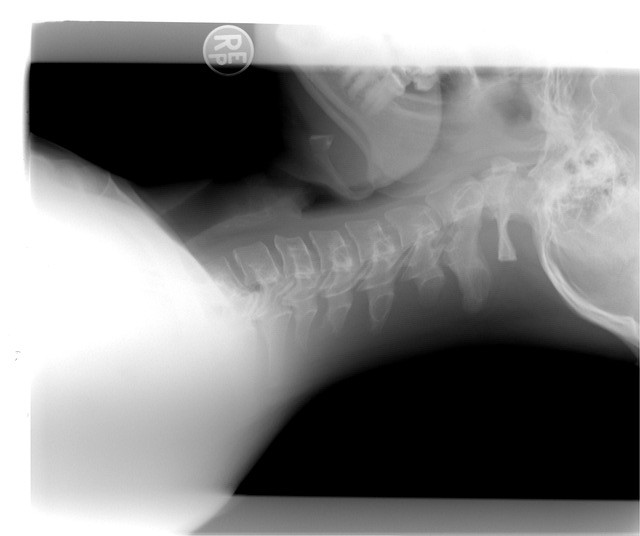
- X-rays: Can detect bone changes in later stages.
- MRI (Magnetic Resonance Imaging): The most sensitive tool for detecting early-stage osteonecrosis, often before symptoms appear (3) .
- CT scans: Useful in assessing bone structure and extent of damage.
- Bone scans: Help visualize bone metabolism and blood flow.
Blood tests may also be conducted to rule out underlying conditions contributing to AVN.
Treatment Options
Treatment for osteonecrosis depends on the stage of the disease, the location, and the extent of bone damage. The main goals are to relieve pain, preserve bone structure, and improve joint function. Options include (3):
Non-surgical Treatments:
- Medications:
- NSAIDs (nonsteroidal anti-inflammatory drugs) for pain management.
- Bisphosphonates to slow bone damage in some cases.
- Reduced weight-bearing: Using crutches or braces to limit joint stress and allow healing.
- Physical therapy: Exercises to maintain joint mobility and muscle strength.
- Electrical stimulation: Promotes bone growth and healing.
These treatments are most effective in early stages before bone collapse occurs (3).
Surgical Treatments:
- Core decompression: A surgical procedure to relieve pressure and improve blood flow to the affected bone.
- Bone grafting: Transplanting healthy bone tissue to replace damaged areas.
- Osteotomy: Cutting and reshaping the bone to reduce stress on the joint.
- Joint replacement (Arthroplasty): In advanced cases with joint collapse, total joint replacement may be necessary.
- Vascularized bone grafting: Transplanting bone along with blood vessels to restore circulation and support bone regeneration.
The choice of treatment depends on individual circumstances and disease severity.
Living With or Prevention
Living with osteonecrosis requires proactive management to slow progression and maintain quality of life. Key lifestyle and self-care strategies include (3):
- Adhering to treatment plans: Regular follow-up and compliance with medications and therapy are vital.
- Weight management: Reduces stress on weight-bearing joints.
- Activity modification: Avoid high-impact activities that may worsen the condition.
- Assistive devices: Use of canes or walkers to ease movement and prevent falls.
Prevention Tips:
- Avoid excessive alcohol and tobacco use.
- Use steroids cautiously and under strict medical supervision.
- Treat underlying conditions promptly, especially those affecting blood circulation.
- Exercise regularly to maintain bone health.
- Monitor bone density and joint function if you’re at risk or have a family history.
Early intervention remains the best defense against joint deterioration and disability.
References
- Zheng J, Yao Z, Xue L, Wang D, Tan Z. The role of immune cells in modulating chronic inflammation and osteonecrosis. Front Immunol. 2022 Dec 13;13:1064245. doi: 10.3389/fimmu.2022.1064245. PMID: 36582244; PMCID: PMC9792770.
- Badescu MC, Rezus E, Ciocoiu M, Badulescu OV, Butnariu LI, Popescu D, Bratoiu I, Rezus C. Osteonecrosis of the Jaws in Patients with Hereditary Thrombophilia/Hypofibrinolysis-From Pathophysiology to Therapeutic Implications. Int J Mol Sci. 2022 Jan 7;23(2):640. doi: 10.3390/ijms23020640. PMID: 35054824; PMCID: PMC8776054.
- Xiang XN, He HC, He CQ. Advances in mechanism and management of bone homeostasis in osteonecrosis: a review article from basic to clinical applications. Int J Surg. 2025 Jan 1;111(1):1101-1122. doi: 10.1097/JS9.0000000000002094. PMID: 39311934; PMCID: PMC11745759.