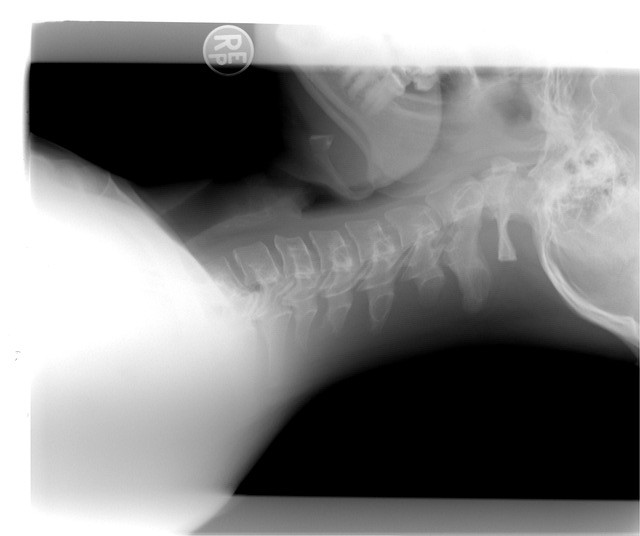
Whiplash injury is a soft tissue neck injury caused by a sudden, forceful back-and-forth movement of the head. It’s most commonly associated with rear-end car accidents, but can also result from sports injuries, falls, or physical assault. Though often minor, whiplash can lead to chronic discomfort if not treated properly (1).
Symptoms
Symptoms of whiplash may appear within hours or days after the incident. Common signs include:
- Neck pain and stiffness
- Headaches, usually starting at the base of the skull
- Reduced range of motion in the neck
- Shoulder or upper back pain
- Tingling or numbness in the arms
- Fatigue, dizziness, or difficulty concentrating (in some cases)
In severe cases, symptoms can last for months, significantly affecting daily life (1).
Causes and Risk Factors
Causes:
Whiplash is caused by a sudden acceleration-deceleration force that stretches or tears muscles, ligaments, and soft tissues in the neck. Common triggers include:
- Rear-end motor vehicle collisions
- Contact sports like football, boxing, or rugby
- Falls or sudden jolts to the head or neck
- Physical abuse (e.g., shaking or punching)
Risk Factors:
- Previous neck injuries
- Poor posture or weak neck muscles
- Age-related wear and tear
- Women and older adults may be more vulnerable due to less muscle mass and flexibility (1)
Complications
Most people recover fully, but some may develop chronic whiplash-associated disorders (WAD). Potential complications include:
- Persistent neck pain or stiffness
- Memory or concentration issues
- Sleep disturbances
- Anxiety or depression related to chronic pain
- Reduced quality of life if left untreated
Early treatment helps reduce the risk of long-term issues (2).
Diagnosis
Doctors diagnose whiplash through:
- Medical history and symptom assessment
- Physical examination (checking neck motion, tenderness, and strength)
Imaging tests (if needed):
- X-rays to rule out fractures
- MRI or CT scans for soft tissue damage or nerve involvement
No specific test confirms whiplash, so diagnosis is often clinical (2).
Treatment
Initial Management:
- Rest and activity modification during the first few days
- Ice or heat therapy to reduce pain and swelling
- Over-the-counter pain relievers (e.g., ibuprofen, acetaminophen)
Ongoing Care:
- Physical therapy to restore motion and strength
- Manual therapy or massage to reduce tension
- Neck exercises guided by a physiotherapist
- Short-term muscle relaxants (if prescribed)
Wearing a soft neck collar is not usually recommended for long periods, as it can delay recovery (2)(3).
Living With Whiplash Injury
For most individuals, whiplash symptoms improve within a few weeks. However, consistent care and self-management are essential for full recovery.
Tips for living with whiplash:
- Follow your physical therapy plan regularly
- Use proper posture at work, especially at desks or screens
- Avoid sudden movements or activities that strain the neck
- Apply heat packs to ease tension and pain
- Monitor symptoms, and communicate with your healthcare provider if they persist
- Stay active, as light movement helps prevent stiffness and promotes healing
With patience and guided care, most people return to normal function without long-term effects (3).
References
1. Sterling, M., & Kenardy, J. (2011). Whiplash: evidence base for clinical practice. Elsevier Australia.
2. Kamper, S. J., Rebbeck, T. J., Maher, C. G., McAuley, J. H., & Sterling, M. (2008). Course and prognostic factors of whiplash: a systematic review and meta-analysis. Pain, 138(3), 617-629.
3. Carroll, L. J., Holm, L. W., Hogg-Johnson, S., Côté, P., Cassidy, J. D., Haldeman, S., … & Guzman, J. (2008). Course and prognostic factors for neck pain in whiplash-associated disorders (WAD): results of the Bone and Joint Decade 2000–2010 Task Force on Neck Pain and Its Associated Disorders. Spine, 33(4S), S83-S92.