A wrist fracture occurs when one or more of the bones in the wrist break, most commonly the distal radius. Wrist fractures are among the most frequent orthopedic injuries, often resulting from falls, sports injuries, or accidents. Prompt treatment is crucial to ensure proper healing and prevent long-term stiffness or weakness (1).
Symptoms
Wrist fractures typically cause immediate symptoms, including:
- Severe pain and tenderness around the wrist
- Swelling and bruising
- Deformity (the wrist may appear bent or misshapen)
- Difficulty moving the wrist or hand
- Numbness or tingling (if nerves are affected)
In minor fractures, pain may be less intense but worsens with movement or pressure (1).
Causes and Risk Factors
Causes:
- Falls on an outstretched hand (FOOSH injuries)
- Car or motorcycle accidents
- Sports injuries, especially contact or high-impact sports
- Direct blows to the wrist
Risk Factors:
- Osteoporosis or low bone density
- Age-related bone weakening
- High-risk activities like skateboarding, cycling, or snowboarding
- Conditions that affect balance or coordination (1)
Complications
Without proper treatment, wrist fractures may result in:
- Chronic pain or stiffness
- Arthritis in the wrist joint
- Nerve or blood vessel damage
- Improper healing or deformity (malunion)
- Reduced grip strength or mobility
Early diagnosis and guided rehabilitation are key to avoiding these issues (2).
Diagnosis
To confirm a wrist fracture, doctors typically perform:
- Physical examination: Checking for deformity, tenderness, and movement limitation
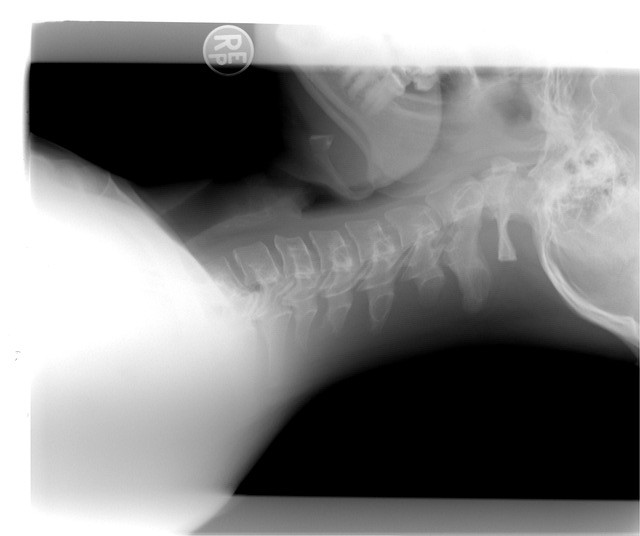
- X-rays: Primary imaging to view bone alignment and breaks
- CT or MRI scans: Used in complex fractures or to assess ligament/tissue damage
Wrist fractures are classified by the bone(s) involved, the position of the break, and whether it is open (compound) or closed (2).
Read about the classification of wrist fractures in detail here.
Treatment
Non-Surgical Treatment
- Immobilization with a splint or cast for 4–6 weeks
- Pain management using NSAIDs or prescribed painkillers
- Elevation and icing to reduce swelling
- Follow-up imaging to monitor healing progress
Surgical Treatment
Required in cases with:
- Displaced fractures
- Multiple broken bones
- Joint involvement or unstable alignment
- Surgery may involve plates, screws, or pins to stabilize the bones
Rehabilitation
- Physical therapy post-cast or surgery to restore strength, range of motion, and function
- Gradual return to regular activities based on medical advice (3)
Living With a Wrist Fracture
Recovering from a wrist fracture involves patience and commitment to rehab. Most patients regain full function, though recovery time varies from a few weeks to several months (2)(3).
Tips for living with a wrist fracture:
- Follow all immobilization instructions (splint/cast care)
- Perform rehab exercises consistently to avoid stiffness
- Modify daily activities to avoid re-injury during healing
- Use assistive tools for writing, typing, or eating during early recovery
- Maintain a healthy diet with calcium and vitamin D to support bone healing
- Prevent future falls through strength and balance training, especially in older adults (3)
References
1. Chung KC, Spilson SV. The frequency and epidemiology of hand and forearm fractures in the United States. J Hand Surg Am. 2001 Sep;26(5):908-15. doi: 10.1053/jhsu.2001.26322. PMID: 11561245.
2. Del Piñal, F., Jupiter, J. B., Rozental, T. D., Arora, R., Nakamura, T., & Bain, G. I. (2022). Distal radius fractures. Journal of Hand Surgery (European Volume), 47(1), 12-23.
3. Jensen, J., Rasmussen, B. S., Duus, L. A., Torfing, T., Precht, H., Tromborg, H., & Graumann, O. (2019). Distal radius fractures and radiographic assessment: a systematic review of measurement accuracy. Acta Radiologica, 60(11), 1482-1489.