The hook of hamate is a prominent bony projection on the ulnar side of the wrist’s hamate bone, situated at the distal carpal row (1). It serves as an attachment for ligaments and flexor tendons, and defines part of Guyon’s canal. Fractures of this hook are uncommon, yet significant, primarily affecting athletes and individuals using gripping equipment like bats, clubs, and rackets. Due to subtle clinical signs and limitations of standard imaging, diagnosing hook of hamate fractures is often challenging. Timely recognition matters, as missed cases may progress to chronic pain, decreased grip strength, non-union, ulnar nerve irritation, or tendon injury (1).
Symptoms
Common presenting features include (2).
- Ulnar-sided palmar wrist pain, especially during gripping activities
- Weakness in grip strength or difficulty holding objects
- Tenderness localized over the hook-on palpation
- Ulnar nerve symptoms (tingling/numbness in the 4th/5th digits) due to close anatomical relation
- Occasionally, dorsal wrist pain, swelling, or mechanical clicking, though tenderness remains the most consistent sign.
Causes
Hook of hamate fractures occur via two primary mechanisms
- Direct trauma or impact, for instance, from an object striking the palm unexpectedly (e.g., fall or ground strike during golf swing) (2).
- Repetitive microtrauma and tendon stress: recent biomechanical research indicates repeated forces from flexor tendons, rather than acute blows, lead to fatigue fractures (2).
Risk Factors
Individuals most prone to hook of hamate fractures include
- Athletes in baseball, golf, tennis, hockey, and sports involving repeated forceful wrist gripping or swinging (3).
- Manual labourers who perform repetitive wrist tasks (2).
- Activities with improper technique or handle grip increasing stress on the hook.
- Delayed diagnosis results in chronic injury and heightened risk of complications.
- The bone’s intrinsic limited blood supply exacerbates susceptibility to fracture and hampers healing, especially under repetitive stress.
Diagnosis
Accurate diagnosis entails a vigilant clinical exam paired with specialized imaging
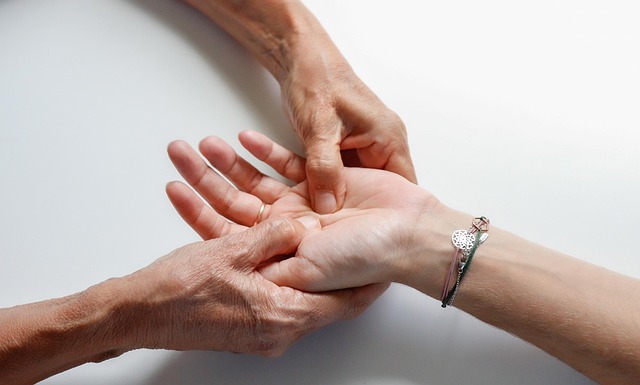
- Physical examination: Palpation of the hamate hook elicits pain. The “hook of hamate pull test” is sensitive and widely recommended. Ulnar nerve involvement may appear as paresthesia or weakness in the ring and little fingers (4).
- Plain radiographs: Standard views frequently miss the injury; specialized “carpal tunnel” or supinated oblique views improve detection.
- CT scan: Considered the diagnostic gold standard for visualizing fractures and assessing non-union (4).
- MRI: Helps evaluate soft tissues, tendon compromise, or nerve impingement, supplementing fracture assessment.
- Bone scan: Occasionally used for subtle stress fractures, though primarily historical.
Prompt use of CT and high suspicion in athletes accelerates diagnosis, reducing delays that lead to chronic symptoms (4).
Treatment
Conservative Management
- Indications: Acute, non-displaced fractures diagnosed early (2).
- Approach: Immobilization with a short-arm cast or splint for ~6–8 weeks, along with analgesics and activity restriction.
- Challenges: High rates of non-union (up to 24–83%) due to poor vascularity; thus, many fractures do not heal fully with conservative care (2).
Surgical Management
- Excision (hook removal): Most common choice, especially favored by athletes. Less postoperative pain and quicker return-to-play (~6 weeks), though minor ulnar nerve sensory deficits (<5%) have been documented (5).
- ORIF (Open Reduction and Internal Fixation): Less commonly performed. Tends to preserve grip strength but may involve longer recovery and slightly higher postoperative pain (5).
- Timing effects: Chronic injuries (diagnosed late) more commonly undergo excision and may take longer to heal compared to acute counterparts.
- Outcomes:
- Systematic reviews show ~94–95% of athletes return to preinjury level or better (~45-day average) post-excision (2).
- Comparative studies favor excision for fewer complications and faster functional restoration, while ORIF may better preserve anatomy in select cases.
Conclusion
Hook of hamate fractures, while rare, significantly affect individuals in sports or repetitive manual labor (5). They often present subtly painful grip, ulnar wrist pain, and reduced strength, which can delay diagnosis. Advanced imaging and a high index of suspicion are key, particularly in athletes. Conservative treatment may suffice in acute settings, but surgical excision is often preferred for reliable healing, faster recovery, and high athlete satisfaction (4). ORIF remains an option for anatomically demanding cases. With prompt treatment, most recover full function and return to preinjury activities (5).
References
- McCausland C, Sawyer E, Eovaldi BJ, Varacallo MA. Anatomy, Shoulder and Upper Limb, Shoulder Muscles. 2023 Aug 8. In: StatPearls [Internet]. Treasure Island (FL): StatPearls Publishing; 2025 Jan–. PMID: 30521257.
- Bansal A, Carlan D, Moley J, Goodson H, Goldfarb CA. Return to Play and Complications After Hook of the Hamate Fracture Surgery. J Hand Surg Am. 2017 Oct;42(10):803-809. doi: 10.1016/j.jhsa.2017.06.108. Epub 2017 Aug 26. PMID: 28844776; PMCID: PMC5626650.
- Bachoura A, Wroblewski A, Jacoby SM, Osterman AL, Culp RW. Hook of hamate fractures in competitive baseball players. Hand (N Y). 2013 Sep;8(3):302-7. doi: 10.1007/s11552-013-9527-4. PMID: 24426938; PMCID: PMC3745239.
- Donohue JK, Calcaterra MJ, Fowler JR. Surgical Management of Hook of Hamate Fractures: A Systematic Review of Outcomes. J Hand Surg Glob Online. 2023 Dec 27;6(2):183-187. doi: 10.1016/j.jhsg.2023.11.011. PMID: 38903831; PMCID: PMC11185891.
- Engler ID, Barrazueta G, Colacchio ND, Ruchelsman DE, Belsky MR, Leibman MD. Excision of Hook of Hamate Fractures in Elite Baseball Players: Surgical Technique and Return to Play. Orthop J Sports Med. 2022 Mar 30;10(3):23259671211038028. doi: 10.1177/232596712110