Sciatica is a medical condition characterized by pain that radiates along the sciatic nerve, the longest nerve in the human body. Originating in the lower back and extending through the hips, buttocks, and down each leg, the sciatic nerve plays a critical role in connecting the spinal cord with the legs and feet. Sciatica is not a disease in itself but a symptom of an underlying issue involving the nerve, such as a herniated disc or spinal stenosis. This condition can range from mild discomfort to debilitating pain, significantly affecting a person’s daily life and mobility (1).
Symptoms
The hallmark symptom of sciatica is pain that radiates from the lower back down to the buttock and the back of one leg. However, sciatica can present with a variety of symptoms, including (1):
- Sharp, burning, or shooting pain in the leg or lower back
- Pain that worsens with movement, especially sitting or standing for long periods
- Numbness, tingling, or a pins-and-needles sensation in the affected leg or foot
- Muscle weakness in the affected leg
- Difficulty controlling leg movement or walking
Typically, the pain affects only one side of the body and may intensify during activities such as sneezing, coughing, or prolonged sitting (1).
Causes
Sciatica results from irritation, inflammation, compression, or pinching of the sciatic nerve. Common causes include (2):
- Herniated or slipped disc: One of the most common causes, this occurs when a disc in the spine bulges out and compresses the sciatic nerve.
- Spinal stenosis: Narrowing of the spinal canal can compress nerves, including the sciatic nerve.
- Degenerative disc disease: Age-related changes in the discs can lead to inflammation or compression of the nerve.
- Spondylolisthesis: A vertebra slips over the one below it, potentially pinching the nerve.
- Piriformis syndrome: The piriformis muscle in the buttocks can irritate or compress the sciatic nerve if it spasms or becomes tight.
- Trauma or injury: Accidents or falls can lead to nerve compression or damage.
- Tumors or infections: Though rare, growths or infections affecting the spine may lead to sciatica symptoms.
Risk Factors
Several factors can increase the likelihood of developing sciatica (2):
- Age: Age-related changes in the spine, such as herniated discs and bone spurs, are common causes.
- Obesity: Excess weight increases the stress on the spine, potentially triggering sciatica.
- Occupation: Jobs that involve heavy lifting, twisting of the back, or prolonged sitting can elevate the risk.
- Prolonged sitting: Sedentary lifestyle or extended periods of sitting can lead to poor posture and pressure on the lower back.
- Diabetes: This condition can increase the risk of nerve damage, including damage to the sciatic nerve.
- Lack of physical activity: Weak core muscles and poor conditioning can contribute to back problems that lead to sciatica.
Diagnosis
Diagnosing sciatica typically involves a comprehensive medical history and physical examination. A doctor may assess symptoms, reflexes, and muscle strength, and ask the patient to perform specific movements to identify the source of pain (3).
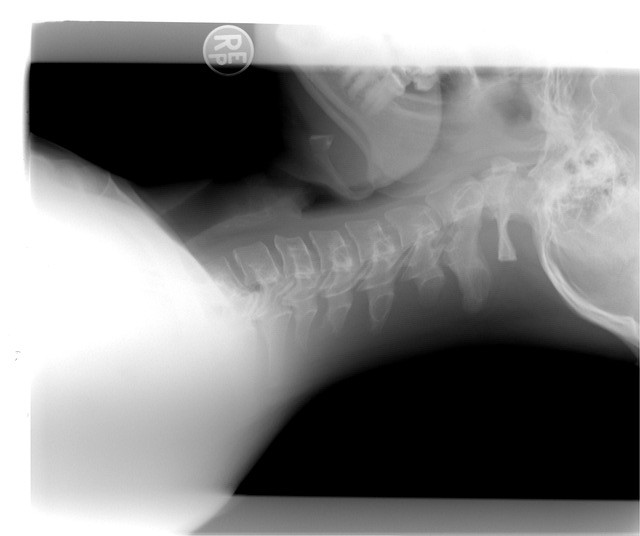
In some cases, imaging tests are needed to confirm the diagnosis and pinpoint the exact cause (3):
- X-rays: May reveal bone spurs or spinal alignment issues.
- MRI (Magnetic Resonance Imaging): Offers detailed images of the spine, discs, and nerves to detect herniated discs or tumors.
- CT scans: Can show more subtle spinal problems.
- Electromyography (EMG): Measures electrical activity in muscles and nerves to assess nerve compression.
Treatment Options
The treatment of sciatica depends on the underlying cause, the severity of the symptoms, and the patient’s overall health. Options include both non-surgical and surgical approaches (1):
Non-Surgical Treatments:
- Medications:
- Over-the-counter pain relievers such as ibuprofen or acetaminophen
- Muscle relaxants
- Prescription anti-inflammatories or neuropathic pain medications (4).
- Physical therapy:
- Exercises to strengthen the muscles supporting the spine and improve flexibility
- Stretching routines targeting the lower back and legs
- Manual therapy and posture correction
- Heat and cold therapy:
- Ice packs may reduce inflammation during acute pain
- Heat can help relax tight muscles
- Lifestyle modifications:
- Avoiding prolonged sitting
- Improving posture
- Maintaining a healthy weight
- Alternative therapies:
- Chiropractic adjustments
- Acupuncture
- Massage therapy
Surgical Treatments:
Surgery may be considered if non-invasive methods fail after several weeks or if there is severe pain, muscle weakness, or loss of bladder/bowel control. Common procedures include (1):
- Microdiscectomy: Removal of a portion of a herniated disc pressing on the nerve
- Laminectomy: Removal of part of the vertebra (lamina) to relieve nerve pressure
- Spinal fusion: Used in cases of severe spinal instability or spondylolisthesis
Living With or Prevention
Sciatica can often be managed successfully, and preventive measures can reduce the risk of recurrence. Lifestyle habits play a key role (2):
- Exercise regularly: Strengthen the core and back muscles to support the spine.
- Use proper body mechanics: Lift objects using your legs, not your back.
- Maintain a healthy weight: Reduces pressure on the spine.
- Sit with good posture: Use chairs with proper lumbar support.
- Take breaks during prolonged sitting: Stand, stretch, and walk regularly.
- Avoid high heels and unsupportive footwear, as they can strain the lower back.
For individuals already experiencing sciatica, following a structured physical therapy program and making ergonomic adjustments can significantly improve quality of life (2).
References
- Davis, D., Maini, K., Taqi, M., & Vasudevan, A. (2024). Sciatica. In StatPearls [Internet]. StatPearls Publishing.
- Valat, J. P., Genevay, S., Marty, M., Rozenberg, S., & Koes, B. (2010). Sciatica. Best practice & research Clinical rheumatology, 24(2), 241-252.
- Sayegh, F., Potoupnis, M., & Kapetanos, G. (2004). Greater trochanter bursitis pain syndrome in females with chronic low back pain and sciatica. Acta orthopaedica belgica, 70(5), 423-428.
- Grice, G. R., & Mertens, M. K. (2008). Gabapentin as a potential option for treatment of sciatica. Pharmacotherapy: The Journal of Human Pharmacology and Drug Therapy, 28(3), 397-402.