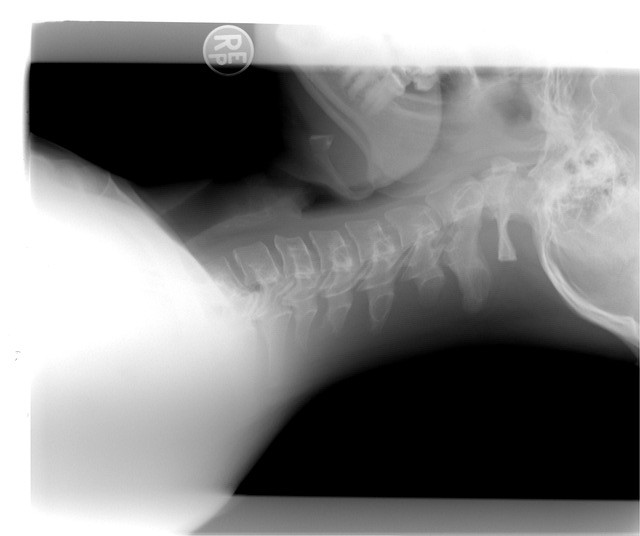
Yellow ligament hypertrophy, also known as ligamentum flavum thickening, is a spinal condition in which the ligamentum flavum, a yellow-colored elastic ligament connecting the vertebrae, becomes abnormally thick. This condition can lead to spinal canal narrowing and contribute to lumbar spinal stenosis, resulting in nerve compression and pain (1).
Symptoms
The symptoms depend on the degree of thickening and the level of spinal involvement. Common signs include:
- Lower back pain or stiffness
- Sciatica or radiating leg pain
- Numbness or tingling in the legs
- Difficulty walking or standing for long periods
- Muscle weakness, especially in the lower limbs
In severe cases, bowel or bladder dysfunction may occur due to nerve compression (1).
Causes and Risk Factors
The primary cause of yellow ligament hypertrophy is age-related degeneration. Over time, repetitive mechanical stress leads to fibrosis and loss of elasticity in the ligamentum flavum. This results in thickening, especially in the lumbar region.
Other contributing causes and risk factors include:
- Chronic spinal instability
- Degenerative disc disease
- Postural abnormalities
- Osteoarthritis
- Obesity and sedentary lifestyle
- Previous spinal trauma or surgery (1)(2)
Complications
If left untreated, ligamentum flavum thickening can lead to:
- Spinal stenosis (narrowing of the spinal canal)
- Nerve root compression
- Chronic neuropathic pain
- Impaired mobility and balance issues
In progressive cases, it may lead to cauda equina syndrome, a medical emergency requiring prompt intervention (2).
Diagnosis
Diagnosis is typically made using a combination of:
- Medical history and physical exam to assess symptoms and neurological function
- MRI (Magnetic Resonance Imaging): The gold standard for identifying ligamentum flavum hypertrophy and spinal stenosis
- CT scan: Useful for evaluating bony changes and spinal alignment
- X-rays: To identify degenerative changes and disc height loss (2)
Treatment
Treatment options depend on the severity of symptoms:
Conservative Treatment:
- NSAIDs for pain relief
- Physical therapy to improve posture, flexibility, and core strength
- Activity modification and weight management
- Epidural steroid injections to reduce inflammation and nerve irritation
Surgical Treatment:
In cases with severe spinal stenosis or neurological symptoms, decompressive laminectomy may be performed to remove the thickened ligament and relieve nerve pressure (3).
Conclusion
Yellow ligament hypertrophy is a common degenerative condition in aging adults that can significantly impact mobility and quality of life. Early diagnosis and appropriate treatment, whether conservative or surgical, can help manage symptoms and prevent complications (3).
References
1. Yoshiiwa T, Miyazaki M, Notani N, Ishihara T, Kawano M, Tsumura H. Analysis of the Relationship between Ligamentum Flavum Thickening and Lumbar Segmental Instability, Disc Degeneration, and Facet Joint Osteoarthritis in Lumbar Spinal Stenosis. Asian Spine J. 2016 Dec;10(6):1132-1140. doi: 10.4184/asj.2016.10.6.1132. Epub 2016 Dec 8. PMID: 27994791; PMCID: PMC5165005.
2. Sairyo, K., Biyani, A., Goel, V., Leaman, D., Booth Jr, R., Thomas, J., … & Ebraheim, N. (2005). Pathomechanism of ligamentum flavum hypertrophy: a multidisciplinary investigation based on clinical, biomechanical, histologic, and biologic assessments. Spine, 30(23), 2649-2656.
3. Sun, C., Zhang, H., Wang, X., & Liu, X. (2020). Ligamentum flavum fibrosis and hypertrophy: molecular pathways, cellular mechanisms, and future directions. The FASEB Journal, 34(8), 9854-9868.